
How To
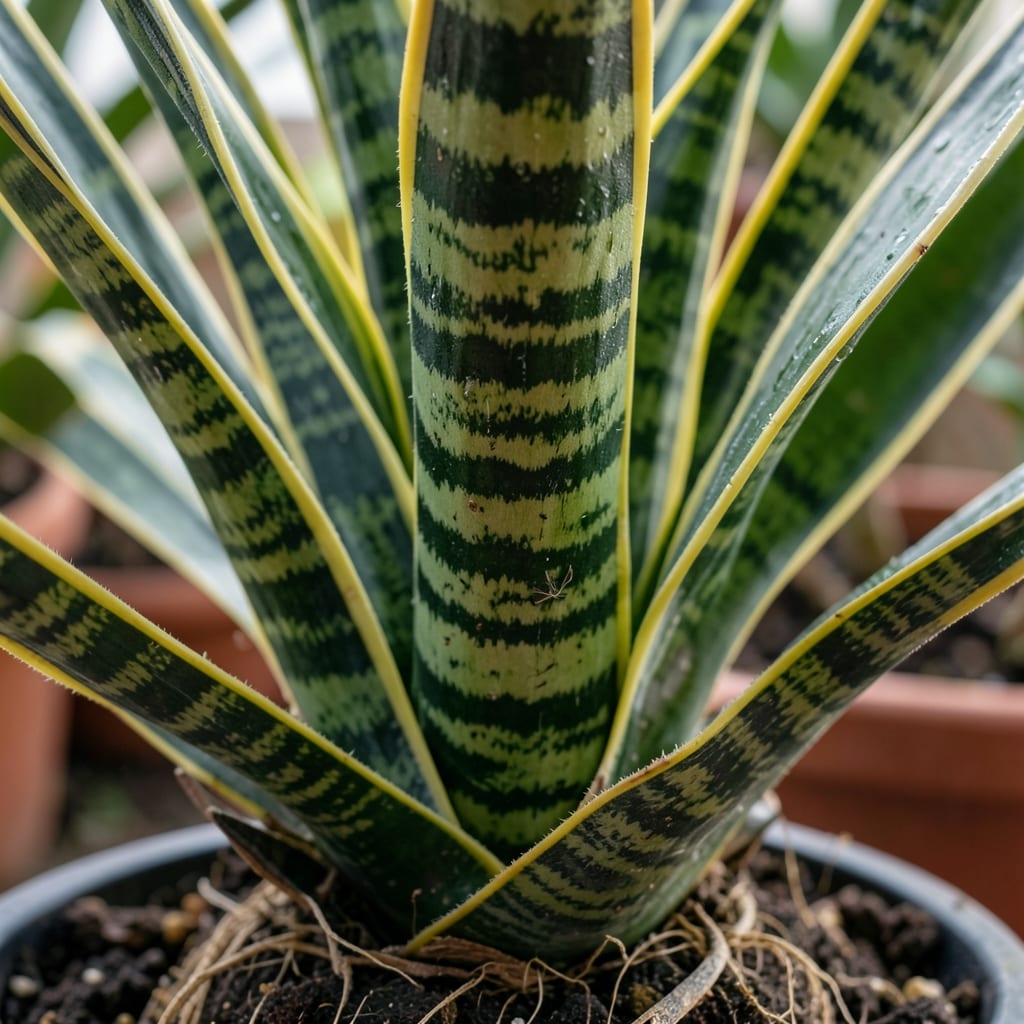
If you’ve ever wondered how tall can snake plant grow in your home, the answer might surprise you—these hardy plants can reach 6 feet or more under ideal conditions, but most stay between 2 and 4 feet indoors. 🌱 Whether you’re working with a tiny apartment or a spacious garden, understanding their growth habits is the key to keeping them lush and manageable.
Snake plants (Sansevieria trifasciata) are famous for their resilience, but their height depends on factors like light exposure, pot size, and even the variety you choose. Some compact types barely top 2 feet, while others stretch toward the ceiling if left unchecked. The good news? With a few simple adjustments, you can control their size without sacrificing their striking, upright foliage.
In this guide, I’ll break down the natural height range of snake plants, from dwarf varieties to towering giants, and share expert tips for pruning and care to keep them at your desired height. Whether you’re dealing with a 4-foot monster or a 1-foot wonder, you’ll learn how to shape their growth without stressing the plant.
Ready to turn your snake plant into a space-saving superstar? Let’s dive into the secrets of controlled growth—so you can enjoy its beauty without the clutter.


Natural height range of snake plants: from floor-length to compact varieties
Snake plants (Sansevieria trifasciata, formerly Dracaena trifasciata) are renowned for their vertical growth, but their mature height varies dramatically depending on the variety and growing conditions. On average, most indoor snake plants reach 2 to 4 feet tall, while outdoor specimens can stretch up to 6 feet or more in ideal settings. 🌿
The key to controlling height lies in understanding your plant’s genetic potential and environmental factors. Some varieties, like the dwarf snake plant, stay under 2 feet, making them perfect for small spaces, while others, such as the Futura Superba, can tower over 6 feet in optimal conditions. Light exposure, pot size, and even soil quality play critical roles in determining how tall your snake plant will grow.
Here’s a quick breakdown of what to expect based on your snake plant’s variety and growing environment:
Light exposure is one of the biggest factors influencing height. Snake plants grown in bright, indirect light tend to grow taller and leaner as they stretch toward the light source. In contrast, plants in low-light conditions often grow shorter but may become less vibrant in color. If your snake plant is reaching for the sky, it’s likely craving more light—consider moving it closer to a south- or west-facing window.
Another critical factor is pot size. Snake plants in smaller pots grow more slowly and stay compact, while those in large containers have room to expand their root systems and grow taller. If you’re dealing with a 6-foot monster in your living room, repotting into a smaller container can help curb its vertical growth. Just ensure the pot still has drainage holes to prevent root rot.
Soil quality also plays a role. Well-draining, sandy or gritty soil encourages healthier root development, which can lead to more robust growth. Amend your potting mix with perlite or orchid bark to improve drainage and prevent the plant from becoming root-bound, which can stunt its height.
Finally, temperature and humidity affect growth rates. Snake plants thrive in average household temperatures (60–85°F) and prefer dry air. High humidity can slow growth, while cooler temperatures may encourage a more compact form. If you’re growing your snake plant outdoors in USDA Zone 9 or higher, expect faster and taller growth during warmer months.
With these factors in mind, you can now predict—and control—how tall your snake plant will grow. Whether you’re aiming for a 2-foot tabletop plant or a 6-foot statement piece, the key is balancing its natural tendencies with thoughtful care. Next, we’ll explore how to prune snake plants to maintain your desired height without sacrificing their health or beauty. ✂️
Pruning techniques to maintain snake plants at your desired height
Pruning isn't just about trimming back overgrowth—it's a strategic way to shape your snake plant's height while encouraging bushier, healthier growth. The best time to prune is during spring or early summer, when the plant is actively growing. This timing ensures your snake plant can recover quickly and focus energy on new foliage instead of repairing damaged stems. 🌿
Before you grab your shears, gather the right tools: sterilized pruning shears (or clean scissors), a small pot for propagation, and a well-draining potting mix. Always sterilize your tools with rubbing alcohol to prevent introducing bacteria or fungi to open wounds. Never use dull blades, as they can tear the leaves and slow healing. For tall varieties, you might also want a stable step stool to reach higher leaves safely.
Here’s a step-by-step guide to pruning your snake plant for height control while maximizing its potential:
- 🌱 Step 1: Identify the Leaves to Trim
Choose tall, leggy leaves that are stretching toward the light or becoming unsightly. Focus on leaves that are at least 12 inches tall—shorter trims can stress the plant. - 🪴 Step 2: Make the Cut
Use your sterilized shears to cut the leaf 1-2 inches above the soil line. Angle the cut slightly to reduce water pooling, which can cause rot. For dramatic height reduction, cut closer to the base. - ✂️ Step 3: Propagate the Cuttings
Place the cuttings in a jar of water or directly into moist potting mix. Roots will sprout in 2-4 weeks, giving you new plants to share or replant! - 💧 Step 4: Care for the Parent Plant
After pruning, reduce watering for a week to help the plant recover. Avoid fertilizing for 4-6 weeks to prevent stress on the healing stems. - 🌿 Step 5: Encourage Bushier Growth
Trim multiple leaves from different sections of the plant to promote fuller, denser foliage. This also prevents the plant from developing a "bare spot" at the base.
Pruning isn’t just about reducing height—it’s also an opportunity to rejuvenate your snake plant. When you remove old or damaged leaves, you’re making room for new, vibrant growth that often emerges with more intense colors and patterns. For example, a 'Laurentii' variety might develop deeper yellow edges after a pruning session, making it even more striking. 🌟
If your snake plant is particularly tall (think 5+ feet), consider gradual pruning over several months. Removing one-third of the tallest leaves at a time prevents shock and allows the plant to adjust. For dwarf varieties, minimal pruning is needed—just trim any leaves that are overcrowding or leaning to maintain their compact shape.
One common misconception is that pruning will stunt your snake plant’s growth permanently. In reality, snake plants are resilient and will bounce back stronger after proper pruning. Just avoid cutting into the rhizome (the thick, underground stem), as this can kill the plant. Stick to the leaf blades, and you’ll keep your snake plant thriving at your desired height for years to come. ✂️