
Trees
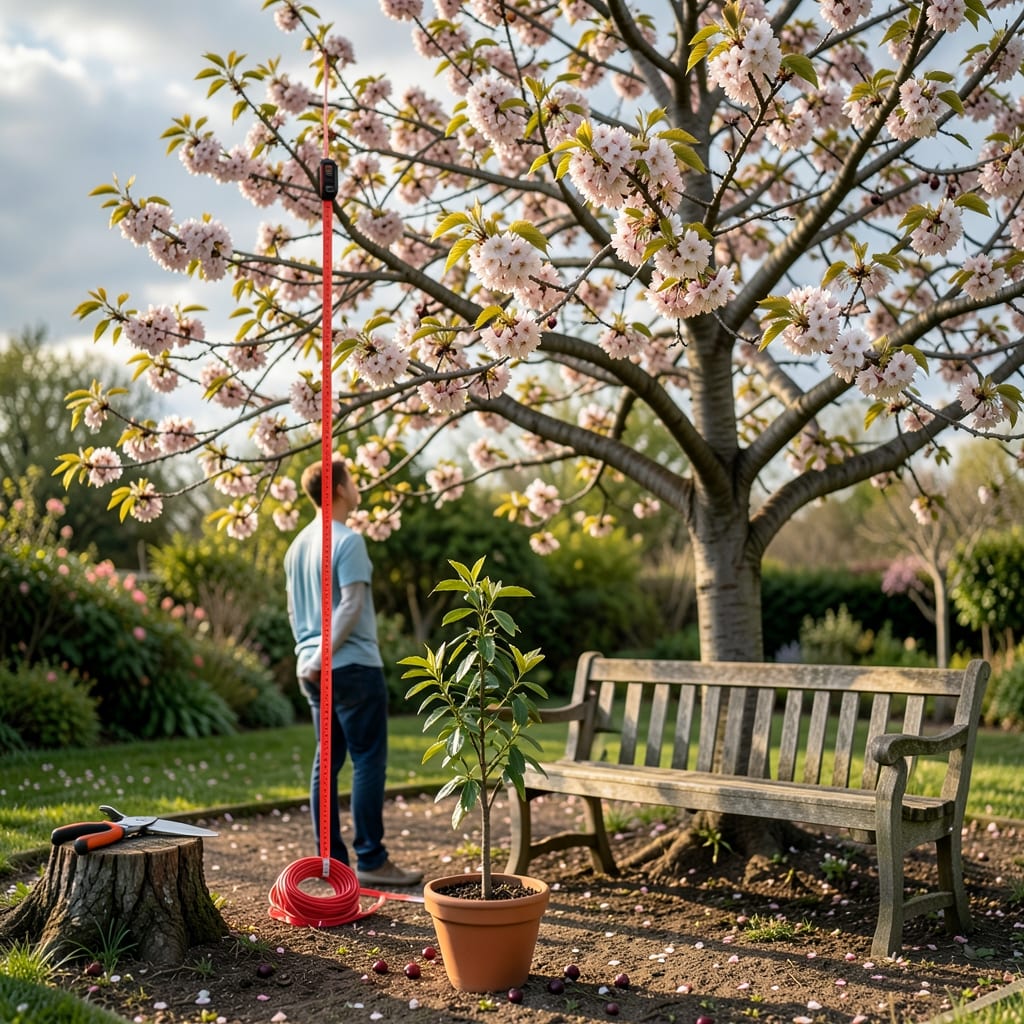
Wondering how tall cherry trees grow and whether that 20-foot beauty will soon block your skyline? The answer depends more on the variety you choose than you might think—and getting it right could mean the difference between a stunning backyard centerpiece and a pruning nightmare.
From dwarf varieties that stay under 10 feet to towering 40-foot giants, cherry trees offer options for every space. Whether you're craving sweet 🍒 fruit, vibrant spring blooms, or a shade-providing giant, this guide breaks down the height ranges by type so you can pick the perfect fit for your yard.
But here’s the catch: even the smallest cherry tree can grow unexpectedly tall if left unchecked. We’ll cover the key factors—like rootstock, pruning, and climate—that determine how fast and how high your tree will reach, plus pro tips to keep it at your desired height.
Ready to plant with confidence? Let’s dive into the heights, growth habits, and smart strategies to grow the cherry tree of your dreams—without the headaches.


Cherry tree height by variety: dwarf to giant growth ranges
If you’re picturing a cherry tree in your backyard, the first question is almost always: how tall will it grow? The answer depends entirely on the variety you choose, with heights ranging from 8 feet for dwarf types to 40 feet for full-sized giants. Understanding these differences is key to selecting the perfect tree for your space—whether you have a cozy patio or a sprawling acreage.
Cherry trees fall into four main height categories: dwarf, semi-dwarf, standard, and giant. Each category offers unique benefits, from easy harvesting to dramatic shade. Below, we’ll break down the most popular varieties by type, including their mature heights, growth habits, and ideal uses so you can make an informed decision.
Dwarf varieties like the Stella or Montmorency are perfect for small spaces or even container growing. They mature between 8 and 15 feet, making them ideal for patios, balconies, or urban gardens where space is limited. These trees still produce abundant fruit or stunning blooms, proving that size doesn’t limit beauty or productivity.
Semi-dwarf varieties, such as the Rainier cherry, strike a balance with heights of 15 to 20 feet. They’re great for backyard orchards or as a statement piece in medium-sized yards. Semi-dwarfs grow faster than dwarfs but remain manageable with regular pruning and care.
For those with larger properties or a love for dramatic trees, standard varieties like the Black Tartarian or Bing cherry reach 30 to 40 feet at maturity. These giants provide ample shade, stunning spring blooms, and bountiful harvests—but they require more space and long-term planning. If you’re aiming for a landmark tree, these are the varieties to choose.
Ornamental cherries, like the Shirofugen, prioritize visual impact over fruit production. They typically grow to 20 to 25 feet and are celebrated for their pink spring blossoms and vibrant fall foliage. These trees are perfect for landscape design and add year-round interest to gardens.
Pro tip: Always check the rootstock of your cherry tree, as this significantly influences height. Dwarf rootstocks (like Gisela 5) keep trees small, while standard rootstocks (like Mazzard) allow for full-size growth. This is one of the easiest ways to control height from the start.
🌳Factors that influence cherry tree height growth (and how to control it)
Cherry tree height isn’t just about the variety—it’s also shaped by rootstock, pruning practices, and even your local climate. Understanding these factors gives you control over how tall (or short) your tree grows, ensuring it fits your space without compromising health or productivity.
The rootstock you choose is the #1 determinant of height. Dwarfing rootstocks like Gisela 5 or Colt restrict growth to 10-15 feet, while standard rootstocks like Mazzard let trees reach 30+ feet. Even the same scion (fruit-bearing top) will grow differently based on rootstock—so always check this detail when buying!
Pruning is your secret weapon for managing height. Young trees benefit from open-center pruning to encourage a strong structure, while mature trees need selective branch removal to control vertical growth. Prune in late winter or early spring before buds swell—this prevents disease and promotes healthier regrowth.
Soil quality and nutrient availability also play a role. Cherry trees thrive in well-draining, slightly acidic soil (pH 6.0-6.5). Amend heavy clay with compost or sand to prevent root suffocation, which can stunt growth. Over-fertilizing with nitrogen encourages leafy (but weak) growth—balance it with phosphorus and potassium for sturdy stems.
Climate matters too! Trees in cooler regions (like USDA Zones 5-7) grow slower due to shorter growing seasons, while those in warmer zones (Zones 8-9) may shoot up faster. If you’re in a hot climate, provide afternoon shade to prevent stress and reduce rapid height spikes.
For ultra-compact trees, try espalier training. This method spreads branches horizontally along a fence or wall, keeping the tree’s height under 6 feet while maximizing fruit production. It’s perfect for urban gardens or small patios where vertical growth isn’t an option.
Remember: Even the tallest cherry tree can be managed with the right care. Start with the right rootstock, prune strategically, and monitor soil health to grow a tree that’s both beautiful and manageable—no matter your space.
🪴