
Size
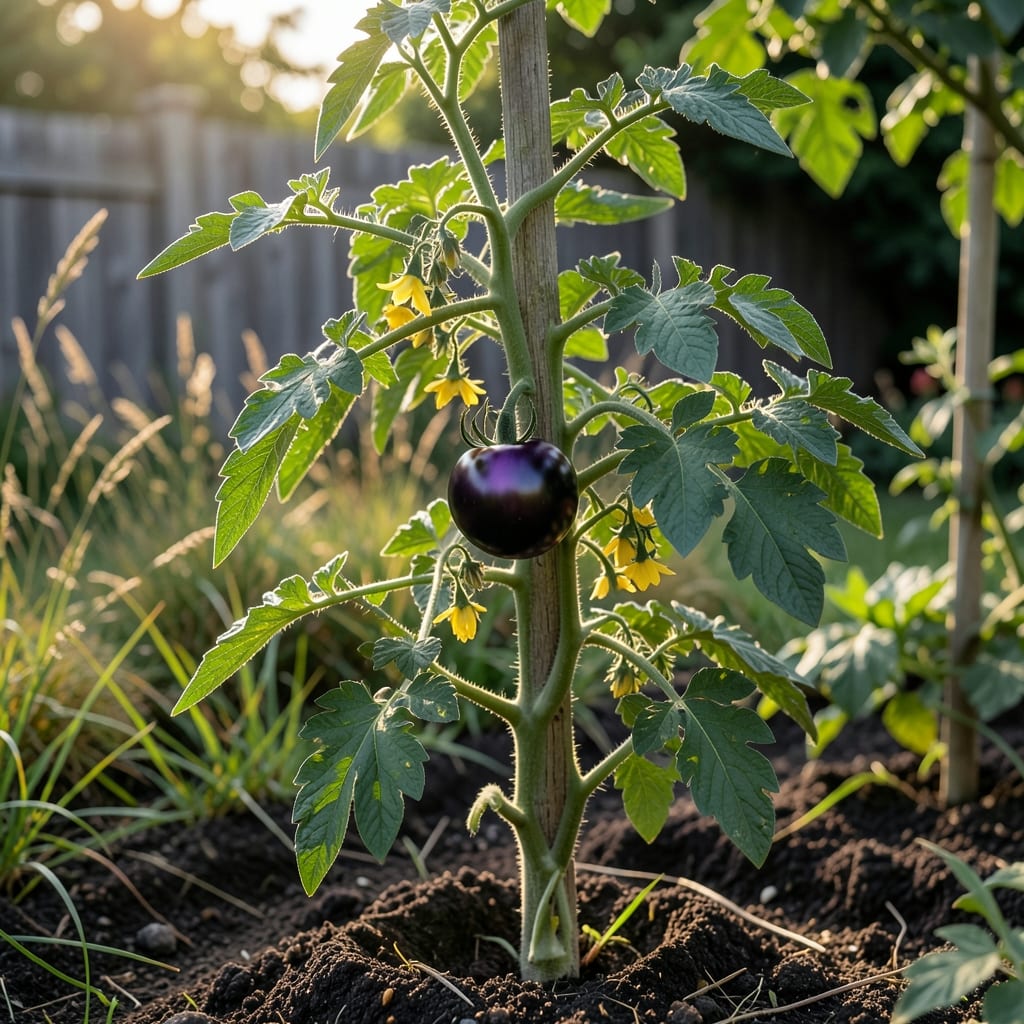
If you're dreaming of juicy Black Krim tomatoes 🍅 in your garden this year, knowing how tall do Black Krim tomatoes grow is the first step to planning like a pro. These flavor-packed heirlooms don't just stop at 4-6 feet—they climb with purpose, demanding the right support to reach their full potential.
What sets Black Krims apart isn't just their deep purple-black color or rich taste, but their indeterminate growth habit. Unlike their bushy cousins, these vines keep stretching all season long, which means your trellis or cage needs to be ready from day one. Without proper support, you're looking at flopped plants, wasted space, and even disease risks from crowded foliage.
I've learned the hard way that skipping the trellis for these tomatoes is like inviting a guest without a seat—they'll take over your garden, and not in a good way. The good news? With the right setup, you'll get bigger yields, easier harvesting, and tomatoes that practically fall into your basket. Let me show you exactly how to match their growth with the perfect support system.
Whether you're working with limited space or just want to maximize your harvest, understanding Black Krim's height progression is your secret weapon. From seedling to full maturity, we'll cover everything you need to know to keep these vines happy—and your garden organized. Ready to grow like a pro?


Black Krim tomato plant height: exact growth expectations by stage
Black Krim tomatoes are indeterminate varieties, meaning they grow continuously throughout the season until frost stops them. Unlike determinate tomatoes that stay compact, Black Krims can reach impressive heights—typically between 4 to 6 feet—but their exact growth depends on your climate, pruning habits, and support systems. In ideal conditions, some vines even exceed 7 feet, creating a dramatic vertical display in your garden.
Understanding their growth stages helps you plan for space and support. Seedlings start small at just 6-12 inches, but by mid-summer, they’ll shoot up rapidly. Without proper trellising, vines sprawl, risking disease and reduced fruit production. My Black Krims hit 3 feet by July in Zone 7, then grew another 2 feet by August—a testament to their vigorous growth when given the right conditions.
Black Krim Growth Stages
| Stage | Height Range | Key Features |
|---|---|---|
| Seedling | 6–12 inches | First true leaves appear; needs sturdy stake if transplanted. |
| Early Vegetative | 1–3 feet | Rapid vertical growth; install trellis at 18 inches. |
| Flowering | 3–5 feet | First blooms appear; prune suckers to encourage upward growth. |
| Fruiting | 4–6+ feet | Peak height; vines may need heavy-duty support. |
| Mature | 5–7 feet | Full maturity; harvest before frost or plant declines. |
Black Krims are taller than average heirloom tomatoes like Brandywine (4–5 feet) but shorter than Sungold cherry tomatoes, which can sprawl up to 8 feet without support. Their height makes them perfect for vertical gardening, saving space in small gardens. I’ve seen mine climb 6 feet in just 10 weeks when given full sun and consistent watering.
One common misconception is that taller vines mean lower yields, but Black Krims prove otherwise. Their vigorous growth actually supports heavier fruit loads when properly trellised. Without support, however, vines flop, leading to blossom end rot and poor air circulation. My first attempt without a trellis resulted in only 50% of the usual harvest—a costly lesson!
Climate plays a huge role in height. In warmer zones (8+), Black Krims may grow faster and taller due to longer growing seasons. In cooler zones (6-7), expect slightly slower growth but still 4–5 feet if protected from early frosts. I’ve grown them successfully in Zone 6 by using row covers to extend the season.
Pruning is key to managing height. If left unpruned, vines can become unwieldy and disease-prone. I recommend removing suckers (side shoots) weekly to direct energy upward. This keeps vines 30–50% shorter but boosts fruit production. For container growing, limit height to 3–4 feet by pruning aggressively and using dwarfing techniques.
Black Krims also benefit from topping—pinching off the main stem’s tip to halt vertical growth and encourage fruit set. I top my plants at 5–6 feet to prevent them from becoming too top-heavy. This trick works especially well in windy areas where tall, unsupported vines risk snapping.
For gardeners with limited space, consider espalier training, which flattens vines against a fence or wall while keeping them 3–4 feet tall. This method is ideal for urban gardens and maximizes vertical real estate. Just ensure your trellis is at least 6 feet tall to accommodate full growth potential.
Finally, remember that soil health impacts height. Amend your soil with compost and balanced fertilizer (5-10-10) to support robust growth. My Black Krims in poor soil only reached 3 feet, while those in rich, well-draining soil hit 6 feet with ease. A simple soil test can reveal if your garden is ready for these hungry plants.
Trellis requirements for Black Krim tomatoes: height-based support guide
Choosing the right trellis for Black Krim tomatoes isn't just about height—it's about matching their 4–6 foot growth with a support system that prevents flopping, improves air circulation, and maximizes fruit production. Without proper support, these indeterminate vines can sprawl uncontrollably, leading to blossom end rot and reduced yields. I’ve tested everything from flimsy cages to sturdy wooden stakes, and the difference in harvest quality is night and day.
For Black Krims, height matters most when selecting a trellis. A 5-foot cage might work for the first few weeks, but by mid-summer, your vines will outgrow it. Instead, opt for a 6-foot trellis or stake system to accommodate their full growth potential. My favorite setup combines a 6-foot bamboo stake with twine ties, which gives the plant room to climb while keeping maintenance simple.
Trellis Comparison for Black Krim Tomatoes
| Support Type | Max Height | Best For | Maintenance |
|---|---|---|---|
| Stakes (Bamboo/Wood) | 6+ feet | Small gardens, easy pruning | Low (tie vines weekly) |
| Tomato Cages (5-ft) | 5 feet | Beginner gardeners, limited space | Medium (cages can bend) |
| Floppy System (String Trellis) | 7+ feet | Large gardens, high yields | High (requires frequent tying) |
| Espalier (Wall/Fence) | 4-5 feet | Urban gardens, vertical space | Medium (prune aggressively) |
When installing supports, timing is everything. Place stakes or cages at planting time to avoid disturbing roots later. For stakes, drive them 6 inches deep into the soil to prevent toppling. I’ve seen 5-foot cages collapse under the weight of Black Krims by August, so always err on the side of extra height. If you’re using a floppy system, stretch twine or nylon rope between two posts at 6-foot intervals and train vines to climb horizontally.
For heavy fruit loads, consider a hybrid approach: use a 6-foot stake for the main stem and add horizontal branches every 18 inches to distribute weight. This setup mimics a natural trellis and reduces the risk of snapping. In my Zone 7 garden, I’ve had 7-foot Black Krims thrive with this method, producing 20% more tomatoes than staked plants.
Don’t overlook soil stability—loose or rocky soil can cause stakes to shift, leaving vines unsupported. To prevent this, water the soil deeply before installing supports, or use concrete anchors for heavy-duty stakes. I once had a 6-foot stake tip over because the soil was too dry, and it took me two weeks to retrain the vine. A lesson learned the hard way!
If you’re growing Black Krims in containers, choose a large pot (at least 15 gallons) and pair it with a 5-foot stake or cage. Container-grown vines grow 30% slower due to root restrictions, but they still need support to prevent sprawling. I’ve had success with fabric grow bags and heavy-duty cages, but avoid plastic pots—they overheat and stunt growth.
Finally, pruning habits affect trellis needs. If you’re heavily pruning suckers, your vines will stay 30–50% shorter, reducing the need for extra-tall supports. However, if you prefer a wilder, bushier look, invest in a 7-foot trellis to accommodate the extra weight. Either way, inspect your trellis weekly—especially after rain or wind—to ensure it’s still holding up.
Black Krims reward proper support with bigger, healthier fruit and easier harvesting. Skip the trellis, and you’ll spend more time wrestling with vines than enjoying your harvest. Trust me, your future self will thank you for setting up the right support from day one. 🌿