
Trees
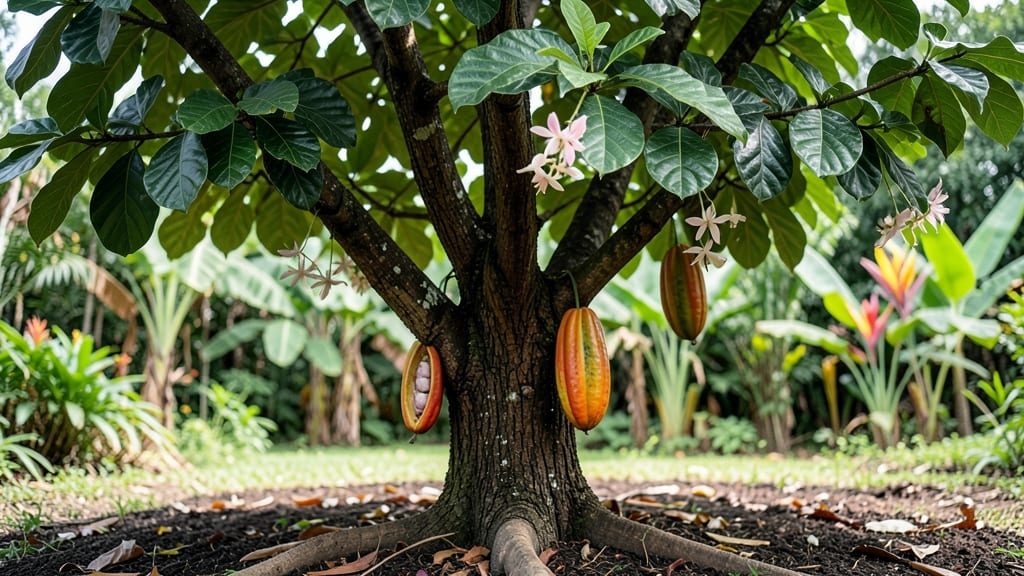
Average height of cacao trees: wild vs cultivated varieties compared
Cacao trees (Theobroma cacao) are fascinating plants that can reach stunning heights, but their growth varies dramatically between wild and farmed varieties. In the wild, these tropical giants can soar up to 30+ feet tall, while cultivated trees often stay between 12-20 feet.
This difference isn’t just about genetics—it’s also shaped by pruning practices, climate conditions, and harvest goals.
Wild cacao trees thrive in untamed rainforests where they receive dappled sunlight and minimal human intervention. Their natural height allows them to compete for light, but this comes at the cost of lower pod production.
On the other hand, commercial cacao farms prioritize yield over height, using pruning and shade management to keep trees shorter and more manageable.
Here’s how the heights compare across different varieties and growing conditions:
The genetic differences between species also play a role. For example, Theobroma grandiflorum (also called cupuaçu) can grow even taller than Theobroma cacao, reaching 30-50 feet in ideal conditions.
Meanwhile, hybrid farm varieties are bred to stay shorter—often between 10-15 feet—to make harvesting easier and increase pod density per acre.
Another key factor is soil and climate. Cacao trees need well-draining, slightly acidic soil (pH 5.0-6.5) and high humidity. In tropical climates like those in Costa Rica or Indonesia, they grow faster and taller.
However, in cooler or drier conditions, growth slows, and trees may stay shorter unless given extra care.
If you’re planning to grow cacao at home, understanding these height differences can help you choose the right variety for your space. For example, dwarf varieties (though rare) or container-grown trees can stay under 10 feet, making them ideal for smaller gardens or urban settings.
For commercial growers, the goal is often to balance height with pod production. Trees that are too tall are harder to harvest, while too short can reduce yield. The sweet spot? Around 12-15 feet, where pruning keeps the tree manageable but still productive.
Whether you’re dreaming of a backyard cacao grove or just curious about the chocolate tree’s height, remember: genetics, environment, and care all influence how tall your cacao tree will grow. With the right conditions, you could end up with a towering tropical giant—or a neatly pruned, pod-producing powerhouse.
🌳
Why farm-grown cacao trees stay shorter: pruning, climate, and yield goals
If you’ve ever seen a cacao tree in a tropical forest reaching 30 feet tall, you might wonder why farm-grown varieties rarely exceed 15-20 feet. The answer lies in commercial cultivation techniques designed to maximize pod production, not just height.
Farmers prioritize accessibility, yield efficiency, and ease of harvest over letting trees grow wild.
In the wild, cacao trees (Theobroma cacao) thrive with minimal intervention, growing tall and sprawling to compete for sunlight. However, farmed cacao trees undergo strategic pruning to create a low, bushy canopy.
This approach makes harvesting easier and increases airflow, reducing disease risk. Without pruning, trees would invest energy in vertical growth instead of producing pods—the source of chocolate.
Climate also plays a role. Wild cacao grows in dense, humid rainforests where competition for light drives upward growth. In contrast, commercial farms often use shade management—planting cacao under taller trees like bananas or coconut palms—to control growth.
This partial shade slows vertical expansion while encouraging horizontal branching, where most pods develop.
Farmers prune cacao trees to 3-5 feet tall in the first year to establish a strong, wide base. Without pruning, wild trees can grow up to 30 feet, but this reduces pod accessibility and increases labor costs for harvesters.
Another key factor is genetic selection. Most farm-grown cacao varieties are bred for high yield and disease resistance, not height. For example, Trinitario cacao—a hybrid variety—stays shorter (12-15 feet) but produces larger, sweeter pods than wild types.
Meanwhile, **wild Theobroma grandiflorum (cupuaçu) can reach 40+ feet in its native Amazon habitat, but it’s rarely cultivated commercially due to its low pod density.
For home gardeners, understanding these techniques can help you decide whether to grow cacao for aesthetic appeal (letting it reach its natural height) or practical yield (pruning for easier harvests).
In tropical climates like USDA Zones 10-12, you can mimic farm methods by pruning young trees to 5-6 feet and using light shade cloth to control growth while maximizing pod production.
Ultimately, the height of a cacao tree depends on whether you’re growing it for chocolate or for the jungle. With the right care, even a backyard cacao tree can reach 15-20 feet—tall enough to shade a patio but still manageable for harvests.
Just remember: shorter trees mean happier harvesters**! 🌿