
Plants
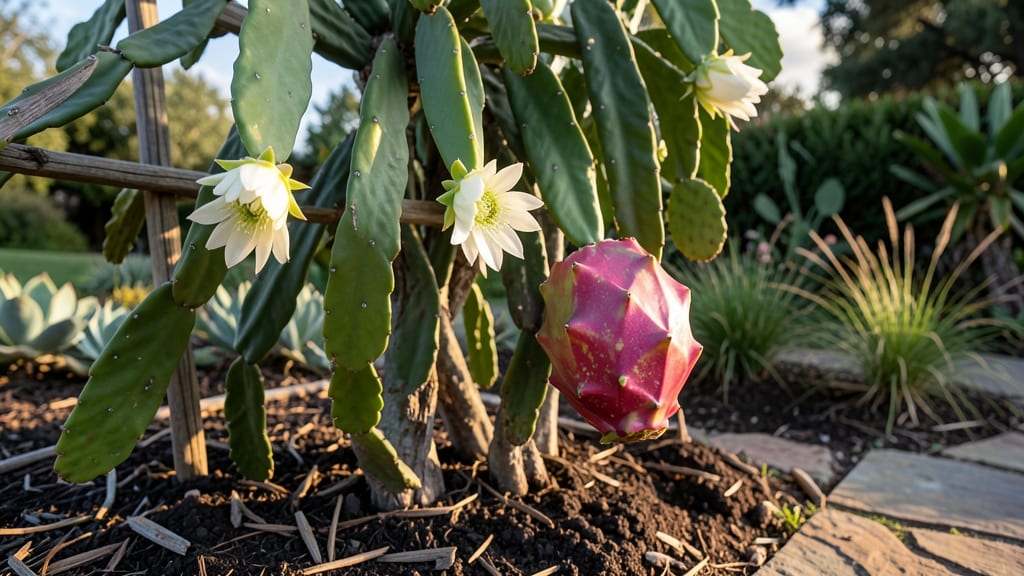
If you're wondering how tall do dragon fruit plants grow, the answer might surprise you—these tropical vines can reach heights of 15 to 20 feet or more when given the right conditions! 🍈 With their fast-growing, climbing nature, dragon fruit plants need plenty of vertical space, making them perfect for trellises or strong support structures.
For home gardeners in Zones 10-12 (or with winter protection in Zone 9b), this means planning ahead for their impressive growth. Whether you're growing them outdoors or in containers, understanding their mature height helps you decide where to plant them—near fences, pergolas, or even tall poles.
But here’s the good news: you don’t need a sprawling backyard to grow dragon fruit. With the right pruning and support, you can manage their height and even grow them in containers on patios or balconies.
Let’s break down exactly what you need to know to keep your dragon fruit thriving without overcrowding your space.
Ready to learn how to control their growth and maximize your harvest? I’ll share tips on trellising, pruning, and choosing the right varieties for your garden—whether you’ve got a small balcony or a full backyard to work with.


Dragon fruit plant growth height: how tall can it really climb?
Dragon fruit plants (Hylocereus spp.) are perennial climbing cacti that can reach stunning heights—often surprising first-time growers. In ideal conditions, these vines can grow 15 to 25 feet tall, though most home gardeners see 10 to 20 feet in backyard settings.
Their growth rate is rapid, with vines adding 3 to 5 feet per year once established. Without proper support, they’ll sprawl aggressively, which is why trellises or strong fences are essential for managing their size.
The mature height depends on several factors: climate, pruning habits, and available support. In tropical regions (USDA Zones 10-12), dragon fruit vines grow taller and faster than in cooler zones where growth slows in winter.
Even in containers, they can climb 8 to 12 feet if given enough vertical space and sunlight. Think of them like jungle gyms for fruit—they’ll use any structure to reach for the sky!
Here’s the growth timeline you can expect:
- Year 1: 2–4 feet (focuses on root and vine establishment)
- Year 2: 6–10 feet (rapid vertical growth begins)
- Year 3+: 15–20+ feet (full maturity, with potential for 25 feet in perfect conditions)
This means if you’re planning to grow dragon fruit, patience is key—it takes 2 to 3 years to reach its full height and start producing fruit reliably.
| Growth Stage | Height Range | Key Notes |
|---|---|---|
| Year 1 | 2–4 ft | Root establishment; minimal vertical growth |
| Year 2 | 6–10 ft | Rapid climbing; needs support |
| Year 3+ | 15–25 ft | Mature height; pruning controls size |
| Container Grown | 8–12 ft | Limited by pot size; prune regularly |
One common misconception is that dragon fruit plants grow like trees with a thick trunk. In reality, they’re vines with thin, segmented stems that rely entirely on external support to climb.
Without a trellis, fence, or sturdy arbor, vines will sprawl along the ground, which weakens their structure and reduces fruit production. I’ve seen vines break under their own weight when left unsupported—so install a trellis early to avoid this!
If you’re growing dragon fruit in containers, height becomes even more manageable. A 5-gallon pot can support a vine up to 8 feet tall, while 10-gallon pots allow for 12+ feet of growth.
The trick is to prune aggressively in early spring to encourage bushier growth and prevent the vine from becoming top-heavy. Container-grown plants also benefit from regular fertilizing to compensate for limited root space.
For outdoor gardens, dragon fruit vines thrive when given vertical space like a permanent trellis or pergola. I recommend using galvanized metal or wooden trellises that can handle the weight of heavy fruit (each dragon fruit can weigh 1 to 2 pounds).
In small urban gardens, a freestanding trellis (like a 6-foot A-frame) works well, while large properties can accommodate 20-foot arbors for maximum yield.
Climate plays a huge role in height control. In cooler zones (Zone 9b), vines grow slower and may only reach 10–15 feet due to winter dormancy. To encourage taller growth, provide winter protection (like a greenhouse or row cover) and extend the growing season. In tropical zones (10-12), vines grow year-round and can outpace expectations if not pruned.
Pruning isn’t just about controlling height—it’s also about boosting fruit production. By trimming back long vines in late winter, you encourage new, fruiting branches to grow.
I prune my dragon fruit vines annually, cutting back one-third of the oldest growth to keep the plant healthy and productive. This also makes harvesting easier since you’ll have more accessible fruit closer to eye level.
If you’re new to growing dragon fruit, start small with a container setup to test your skills before committing to a large outdoor vine.
Even in pots, these plants can surprise you with their climbing ability—just give them enough sunlight and support, and they’ll reward you with vibrant pink or yellow fruit that’s sweeter than store-bought!
Dragon fruit plant growth height: how tall can it really climb?
Dragon fruit plants (Hylocereus spp.) are fast-growing vines that can reach staggering heights—often 15 to 25 feet in ideal conditions. Their woody, segmented stems act like trellises, allowing them to sprawl horizontally while climbing vertically.
Without proper support, they’ll sprawl across fences, roofs, or even neighboring trees, creating a lush, tropical canopy that’s both beautiful and practical for fruit production.
In their first year, expect 2 to 4 feet of growth, but by year two, they can double or triple in height, especially in warm, humid climates like USDA Zones 10-12.
If you’re growing dragon fruit in containers, height may be slightly controlled, but the vines will still climb aggressively if given a sturdy trellis or A-frame support structure. This rapid ascent is why many gardeners plan ahead—or risk a vine overtaking their entire garden!
One common misconception is that dragon fruit vines stop growing once they reach maturity. In reality, they continue climbing indefinitely if left unchecked, which is why regular pruning is essential.
I’ve seen vines break through roof tiles in tropical climates—so if you’re in a small urban space, consider dwarfing techniques like topping the main stem or training horizontal branches. Even then, expect at least 10 feet of vertical growth in just a few years!
For indoor growers, height becomes a major challenge due to limited space. A south-facing window with supplemental grow lights can help, but even then, vines may only reach 6 to 8 feet without a vertical trellis system.
If you’re growing dragon fruit in a greenhouse, however, you can exceed 20 feet—but be prepared for heavy fruit loads that may require additional structural support. Always secure your trellis to handle the weight of mature fruit (each dragon fruit can weigh 1 to 2 pounds).
Another factor influencing height is the variety you choose. Some, like Hylocereus undatus, are taller and more aggressive, while others, such as Hylocereus costaricensis, may grow slightly shorter but denser.
If you’re new to dragon fruit gardening, start with a hybrid variety like Pitaya, which offers a balance of manageable height and high fruit production. Just remember: no matter the variety, these vines are escape artists—plan for at least 15 feet of climbing space!
To maximize fruit production while controlling height, focus on pruning lateral branches during the growing season (spring and summer). This encourages fewer, stronger stems and more energy toward fruit development.
I’ve found that pruning back 1/3 of the vine’s length in early spring stimulates bushier growth and larger fruit. Just avoid heavy pruning in winter, as the plant needs dormancy time to recover in cooler climates.
If you’re still unsure whether your space can accommodate a dragon fruit vine, measure twice before planting. A 20-foot vine isn’t just tall—it’s heavy, sprawling, and determined.
But with the right support system and pruning plan, you’ll have a stunning, productive tropical centerpiece that’s worth every inch of its impressive height! 🌿🪴