
Trees
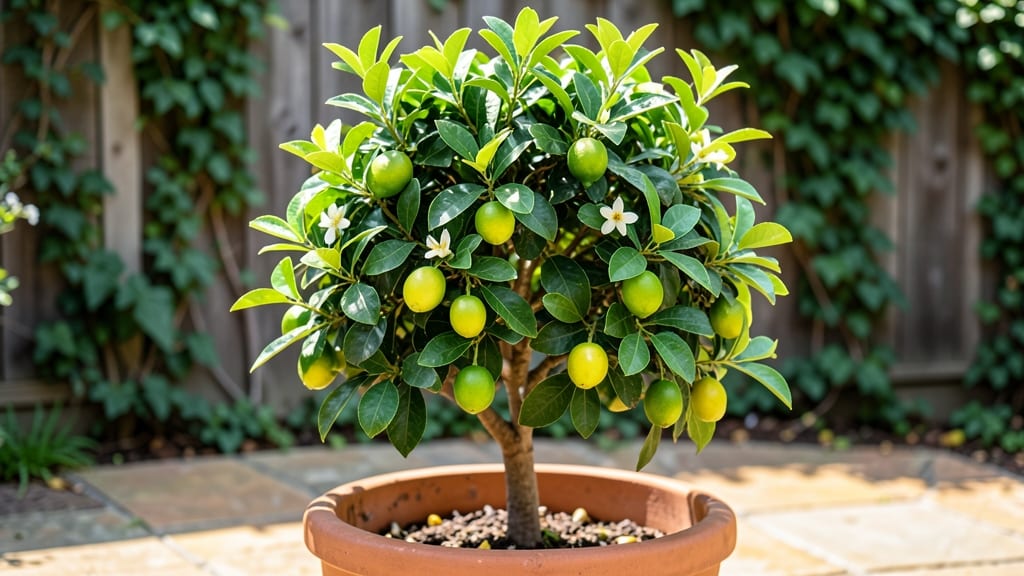
Dwarf lime tree height guide: exact growth ranges by variety
Dwarf lime trees are the perfect space-saving solution for citrus lovers, but their mature height can vary dramatically depending on the variety and growing conditions.
Most stay between 6 to 10 feet tall, but some compact types like the 'Improved Meyer' can remain under 8 feet with proper care. Understanding these ranges helps you choose the right tree for your container garden or small backyard.
Standard lime trees can tower over 20 feet, while even "dwarf" varieties can surprise you if left unchecked. The key is selecting the right citrus cultivar and managing growth through pruning and container size.
For example, a 'Meyer' lime tree in a 15-gallon pot will stay significantly shorter than one planted in-ground. Let’s break down the height expectations for popular dwarf varieties.
🍋 Dwarf Lime Tree Height Comparison
| Variety | Mature Height (ft) | Growth Rate (ft/year) | Best For |
|---|---|---|---|
| Improved Meyer | 6-8 ft | 1-2 ft | Containers, small patios |
| Meyer Lemon-Lime | 8-10 ft | 1.5-2.5 ft | In-ground, large pots |
| Bearss Dwarf Lime | 8-12 ft | 2-3 ft | Urban gardens, yards |
| Eureka Dwarf | 10-12 ft | 2 ft | Commercial containers |
| Lemon-Lime '4-Ever' | 5-7 ft | 0.5-1 ft | Balconies, tiny spaces |
The 'Improved Meyer' and 'Lemon-Lime '4-Ever' are the smallest options, making them ideal for balconies or patios. However, even these can grow taller if planted in-ground without regular pruning.
For example, a 'Meyer' lime in a 20-gallon pot might hit 8 feet, while the same tree in the ground could reach 12 feet within 5 years.
If you're growing your dwarf lime in a container, the pot size directly impacts height. A 15-gallon pot keeps roots confined, slowing vertical growth, while a 30-gallon container allows more expansion.
Always choose a pot with drainage holes to prevent root rot, which can stunt growth or kill the tree. For in-ground planting, ensure 6 feet of clearance around the tree to accommodate its mature spread.
Another factor is the climate zone. Dwarf lime trees thrive in USDA Zones 9-11, but even within these zones, cooler microclimates can slow growth. In Zone 8, expect slightly slower height increases unless you use a greenhouse or container to extend the growing season.
Always plant after the last frost date in your area to avoid cold damage, which can stress the tree and affect its growth pattern.
One common mistake is assuming all dwarf lime trees stay under 6 feet. While some varieties like the 'Lemon-Lime '4-Ever' fit this description, others like the 'Bearss Dwarf' can reach 12 feet if not pruned.
To maintain compact size, I recommend pruning in late winter to shape the tree and remove any overly long branches. This not only controls height but also encourages fruit production.
For the fastest-growing varieties like the 'Meyer Lemon-Lime', you might see 2 feet of growth per year in ideal conditions. However, this growth rate can drop to half a foot per year if the tree is underwatered or lacks sunlight.
Always monitor your tree’s water needs—deep watering once
How to maximize compact growth: pruning and care tips for smaller lime trees
Keeping your dwarf lime tree under 6 feet requires strategic care, especially pruning and container management. Unlike their full-sized counterparts, these trees respond well to shaping, but neglect can lead to unexpected height spikes.
Start by understanding that pruning in late winter (just before new growth begins) is your best tool to control size.
For container-grown dwarf limes, choose pots with at least 18-24 inches of depth to accommodate root growth without crowding. Root-bound trees grow taller faster as they compete for space.
Elevate containers slightly to improve drainage, which prevents stress that can trigger vertical growth. Remember, well-draining soil is non-negotiable for citrus trees.
Trim 1/3 of new growth in late winter to encourage bushiness. Focus on inner branches to improve airflow and fruit production.
Upgrade pots every 2-3 years to prevent root restriction. Use fabric grow bags for better aeration.
Use balanced citrus fertilizer (6-6-6) every 6 weeks in growing season. Avoid high-nitrogen feeds to prevent rapid vertical growth.
Move containers indoors (50°F+) or wrap trunks in burlap to prevent cold stress that can stunt growth.
Ensure 6+ hours of direct sun daily. Shade can cause leggy growth, making trees reach upward for light.
Your watering routine also plays a critical role in height control. Deep watering once weekly (or more in summer) encourages strong root development, which naturally stabilizes the tree's structure.
Avoid shallow watering, which promotes weak roots and upward growth. Mulch around the base with 2-3 inches of organic matter to retain moisture and regulate soil temperature.
One common mistake is over-pruning in a single session, which can shock the tree and trigger compensatory growth. Instead, make light pruning cuts throughout the growing season to maintain shape.
For Meyer lime trees, which are the most popular dwarf variety, expect 2-3 feet of growth per year if unchecked—so stay proactive with your pruners!
Finally, monitor your tree's growth rate seasonally. If you notice vertical shoots exceeding 12 inches, trim them back immediately to redirect energy into lateral branches. With consistent care, your dwarf lime tree will stay within your desired height range while still producing an abundance of juicy fruit. 🍋
For container growers, remember that root pruning every 2-3 years can also help maintain compact size. Simply tease out the roots at the bottom of the pot before repotting to encourage a denser root ball.
This technique, combined with regular pruning, will keep your lime tree at a manageable height for years to come. ✂️