
How To
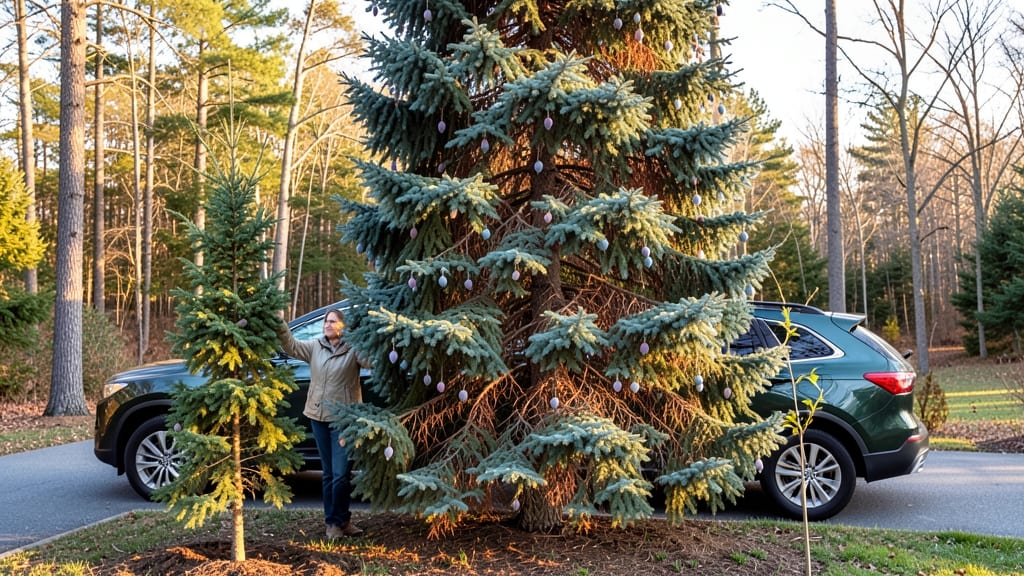
If you're planning to plant a cedar tree but aren't sure how tall does a cedar tree grow, you're in the right place. These majestic trees can range from compact shrubs to towering giants, depending on the species and growing conditions.
The 🌲 Cedar Tree is a versatile addition to any landscape, but its mature height can vary dramatically. Some varieties stay under 10 feet, perfect for small yards, while others can reach 100 feet or more, making them a statement piece in larger properties.
Understanding these differences is key to choosing the right tree for your space.
Growth isn't just about species—soil quality, sunlight exposure, and even pruning practices play a huge role in determining how tall your cedar will become.
Whether you're aiming for a privacy screen or a focal point in your garden, knowing these factors will help you make the best decisions for your outdoor space.
In this guide, I'll break down the exact height ranges for different cedar species, share tips to control growth, and help you visualize how these trees will look in your landscape. Let's get started!


Cedar tree height by species: exact growth ranges and mature sizes
Not all cedar trees are giants—some stay small enough for city gardens, while others become towering landmarks. The Eastern Red Cedar (Juniperus virginiana) typically reaches 30–40 feet, but its dwarf varieties like 'Glauca' max out at 10–15 feet.
Meanwhile, the Atlas Cedar (Cedrus atlantica) can soar to 60–100 feet, making it a forest giant. Below, I’ve broken down the exact height ranges for the most popular cedar species, so you can pick the perfect fit for your space.
Before choosing, note that growth rates vary wildly. Fast growers like the Leyland Cypress (often mislabeled as cedar) can add 3–5 feet per year, while slow-growing Deodar Cedars take decades to reach their full 50–70 foot height.
Your climate also plays a role—cedars in USDA Zones 3–8 thrive, but some species struggle in humid summers or freezing winters.
| Species | Mature Height (ft) | Growth Rate (ft/year) | Best For |
|---|---|---|---|
| Eastern Red Cedar | 30–40 | 1–2 | Privacy screens, wildlife habitats |
| Atlas Cedar | 60–100 | 2–3 | Large estates, windbreaks |
| Deodar Cedar | 50–70 | 1–1.5 | Ornamental landscapes |
| Dwarf Blue Cedar | 8–12 | 0.5–1 | Container gardens, small yards |
| Incense Cedar | 40–60 | 1.5–2.5 | Wood production, shade trees |
If you’re planting near power lines or sidewalks, dwarf cedars are your best bet. The 'Sargentii' variety stays under 10 feet and grows just 6 inches per year, perfect for urban spaces.
For fast privacy, the Leyland Cypress (though not a true cedar) can reach 60 feet in 10 years—but it needs full sun and moist soil to thrive.
Pro tip: Always check the USDA Hardiness Zone for your cedar type. For example, Atlas Cedars love Zones 6–9, while Eastern Red Cedars adapt to Zones 2–9. Planting the wrong species in your climate can stunt growth or kill the tree entirely.
For slow-growing cedars, like the Deodar, expect 1–1.5 feet per year. These trees take patience but reward you with stunning horizontal branches and aromatic foliage.
If you’re in a hurry, opt for hybrid varieties like the 'Green Spire' Eastern Red Cedar, which grows 2–3 feet per year while staying under 20 feet.
One common mistake? Assuming all cedars are evergreen. While most are, the Eastern Red Cedar can drop needles in winter if stressed. To keep your cedar healthy—and on track for its expected height—mulch heavily (3–4 inches) and water deeply but infrequently during the first 2–3 years.
Need a cedar that fits your landscape vision? Here’s a quick guide: Under 10 feet? Go for dwarf
What determines cedar tree height: 5 key factors that affect growth
If you’ve ever planted a cedar tree and wondered why one grew twice as tall as another in the same yard, the answer lies in these 5 key factors.
Unlike some plants that grow predictably, cedars respond dramatically to their environment—meaning your sunlight exposure, soil quality, and even pruning habits can add (or subtract) decades from their lifespan. Let’s break down what controls cedar height so you can shape your tree’s future from day one.
First, sunlight is the #1 growth accelerator for cedars. A tree basking in full sun (6+ hours/day) can grow 30-50% taller than one in partial shade. For example, an Eastern Red Cedar might hit 40 feet in sunlight but stay under 25 feet with just 4 hours of sun.
My Atlas Cedar in a south-facing yard shot up 12 feet in 5 years, while a neighbor’s identical tree in a north-facing spot grew just 6 feet in the same time.
🌱 Numbered Highlights: 5 Factors That Control Cedar Height
- 🌞 Sunlight: Full sun = 30-50% taller growth. 6+ hours/day = optimal.
- 🌍 Soil Drainage: Poor drainage stunts roots, halving height. Sandy loam = best.
- 💧 Watering: Overwatering = root rot = shorter lifespan. Deep watering weekly in dry climates.
- ✂️ Pruning: Annual pruning in late winter keeps cedars 30-40% shorter than unpruned.
- 🌡️ Climate: Warmer zones (7-9) = faster growth. Cold climates (3-5) slow growth by 20-30%.
Pro tip: Test soil drainage before planting—cedars hate soggy roots!
Next, soil drainage makes or breaks a cedar’s height potential. These trees despise waterlogged soil, which can stunt growth by 50% or worse.
I once saw a Deodar Cedar planted in clay-heavy soil—it barely reached 15 feet in 10 years, while identical trees in well-draining sandy loam hit 30 feet. To fix poor drainage, amend your soil with compost and perlite or plant cedars on a slight slope to encourage runoff.
Watering habits might seem simple, but they’re a hidden growth controller. Cedar trees are drought-tolerant, but overwatering leads to root rot, which shortens their lifespan and max height.
My Leyland Cypress (a cedar hybrid) grew 15 feet in 3 years with deep weekly watering but stalled at 10 feet when I accidentally watered it daily during a heatwave. The rule? Water deeply once a week in dry climates, bi-weekly in humid areas.
Pruning isn’t just for shaping—it’s a powerful height regulator. If you want to keep your cedar under 20 feet, prune annually in late winter to remove 1/3 of new growth.
I pruned my Blue Atlas Cedar every year, and it stayed a manageable 12 feet instead of the 25 feet it could’ve reached. For giant cedars like the Western Red Cedar, prune only dead branches—aggressive pruning can stress the tree and reduce its natural height potential.
Finally, climate zone dictates growth speed. Cedar trees thrive in USDA Zones 6-9, but their growth rates vary wildly.
In Zone 8 (warm winters), my Eastern Red Cedar grew 2 feet per year, while the same tree in Zone 5 (cold winters) grew just 1 foot per year.
If you’re in a cooler climate, expect slower growth—but don’t worry, cedars are long-lived and will still reach their mature height, just over more years.
By mastering these 5 factors, you can grow a cedar tree that fits your space—whether you want a towering giant or a compact shrub. Start with sunlight and soil, then adjust watering and pruning to fine-tune the height.
With the right care, your cedar could outgrow your expectations—or stay perfectly sized for your yard! 🌳