
How To
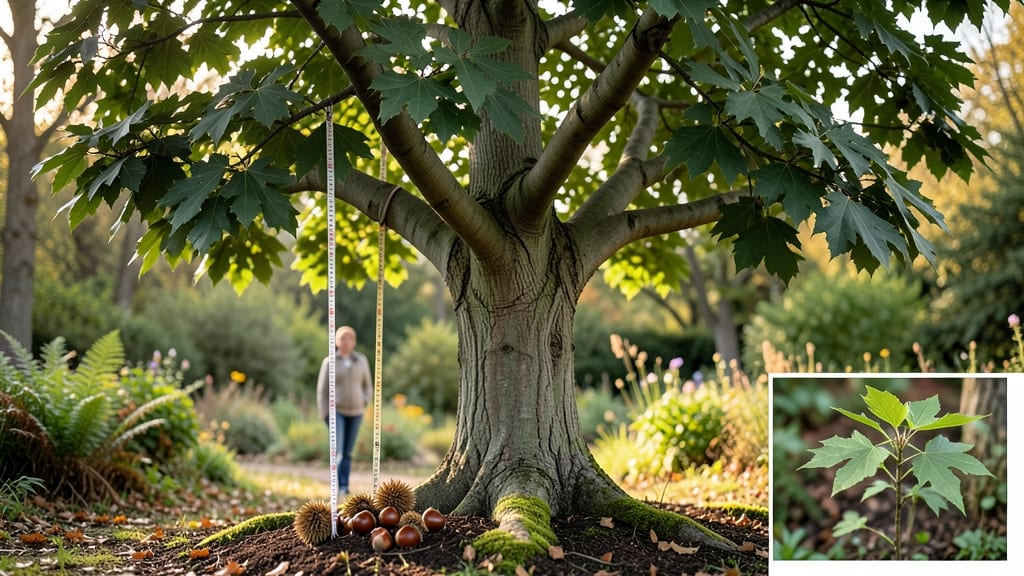
If you're dreaming of planting a chestnut tree 🌳 but wondering "how tall does a chestnut tree grow", the answer might surprise you—these trees can become absolute giants, reaching heights of 50 to 80 feet in ideal conditions.
That’s taller than most two-story homes! But don’t worry if you have limited space, because some varieties stay much smaller.
Understanding your chestnut tree’s potential height is the key to choosing the right variety for your yard. Whether you’re after a towering shade provider or a compact ornamental tree, knowing the growth habits helps you plan for years of enjoyment.
Let’s break down the differences between species and what affects their height.
From the massive European chestnut to the more manageable American varieties, each type has its own growth trajectory. Soil quality, sunlight exposure, and even pruning techniques can influence how tall your tree becomes.
If you’re working with a small garden, we’ll also highlight the best dwarf options that won’t overwhelm your space.
Ready to discover which chestnut tree fits your landscape? By the end of this guide, you’ll know exactly what to expect—so you can plant with confidence and watch your tree thrive for decades to come.


Chestnut tree mature heights by species: from dwarf to giant varieties
If you're considering adding a chestnut tree to your landscape, knowing its mature height is crucial for planning. Chestnut trees (Castanea spp.) come in a stunning range of sizes, from towering giants to compact varieties perfect for small yards.
The European chestnut (Castanea sativa) typically reaches 65–80 feet at maturity, while the American chestnut (Castanea dentata) can grow even taller—up to 75–100 feet in ideal conditions.
For those with limited space, dwarf varieties like the 'Boulevard' chestnut or 'Deschamps' chestnut offer a more manageable height of 20–30 feet. These smaller trees still produce delicious nuts and stunning foliage, making them ideal for suburban gardens.
Always check the specific cultivar's growth habits, as even "dwarf" trees can outgrow expectations over decades.
Here’s a quick comparison of the most popular chestnut species and their mature heights:
The European chestnut is a favorite for its edible nuts and dense canopy, making it perfect for shade.
Meanwhile, the American chestnut, once a dominant species in U.S. forests, now faces blight but is still grown for its hardwood and nuts. Horse chestnuts (not true chestnuts) are popular for their showy flowers and tolerance of urban pollution.
If you're planting a chestnut tree in a small yard, opt for a dwarf cultivar like 'Deschamps' or 'Boulevard'. These varieties stay under 25 feet and are perfect for patios or small gardens.
Just be sure to give them 6–8 hours of sunlight daily and well-draining soil to thrive. Even dwarf trees need space to spread their roots and branches.
For faster growth, consider the American chestnut, which can add 2–3 feet per year in ideal conditions. However, this species is highly susceptible to chestnut blight, so disease-resistant hybrids are recommended. Always research local regulations, as some areas restrict planting non-native species like the European chestnut.
When planning your garden layout, account for the tree's canopy spread, which can be nearly as wide as its height. A 75-foot-tall chestnut might have a 50-foot spread, so place it far from structures, sidewalks, or other plants.
Use a spreadsheet or garden planner to map out the tree's future size and ensure it fits your space.
If you're unsure which variety to choose, start with a smaller cultivar like 'Boulevard' to test the tree's suitability for your climate. Monitor its growth for a few years before committing to a larger species.
Remember, chestnut trees are long-lived—some can reach 300+ years—so your choice will shape your landscape for generations.
🌳
Factors that influence chestnut tree height: soil, climate, and pruning
When planning where to plant your chestnut tree, remember that its mature height isn't set in stone—it's heavily influenced by growing conditions. The soil quality, available sunlight, and even pruning practices can push a tree toward its maximum potential or keep it more manageable.
Let's explore how each factor plays a role in determining your chestnut tree's ultimate stature.
First, consider your local climate. Chestnut trees thrive in USDA Zones 4-8, but within that range, cooler climates often produce slower-growing trees with slightly shorter mature heights. In warmer zones, trees grow faster and may reach their maximum height more quickly.
For example, a European chestnut in Zone 7 might hit 70 feet in 30 years, while the same tree in Zone 5 might only reach 50 feet in the same timeframe.
🌱
- Soil Quality: Rich, well-drained soil with 6.0-7.0 pH promotes faster growth. Poor soil = stunted growth.
- Sunlight: 6+ hours of sun daily maximizes growth; partial shade slows height increase.
- Water Availability: Deep watering 1-2x weekly in dry seasons encourages vertical growth.
- Pruning: Annual pruning in late winter controls height; no pruning = unchecked growth.
- Spacing: Planting too close to structures or other trees restricts root growth, limiting height.
Your soil composition plays a crucial role too. Chestnut trees prefer well-draining soil rich in organic matter. If your soil is heavy clay or sandy, growth will be slower, and the tree may never reach its full potential height.
Amending your soil with compost or aged manure before planting can give your tree a growth boost, helping it reach closer to its maximum height more quickly.
Don't underestimate the power of pruning either. Regular pruning in late winter or early spring can dramatically influence your tree's height. By removing suckers and competing branches, you encourage the tree to grow taller rather than bushier.
For dwarf varieties, pruning is essential to maintain their compact size, while standard varieties benefit from minimal pruning to reach their full height potential.
Another often-overlooked factor is water availability. While chestnut trees are drought-tolerant once established, consistent moisture during their first few years of growth helps them develop strong root systems that support taller growth.
In arid climates, you may need to supplement rainfall with deep watering every 7-10 days to prevent stunted growth.
For urban gardeners with limited space, creating optimal growing conditions becomes even more critical. Planting in well-prepared soil, providing adequate water, and implementing a regular pruning schedule can help you grow a healthier, though slightly shorter, chestnut tree that still provides shade and beauty without overwhelming your landscape.