
How To
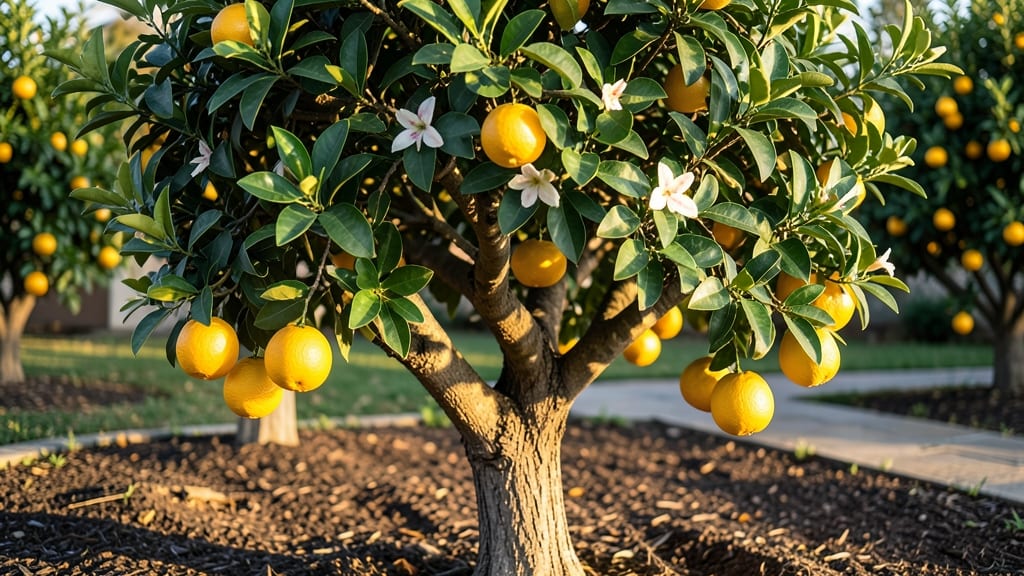
Grapefruit tree height by variety: small vs. standard vs. giant sizes
Grapefruit trees (Citrus × paradisi) come in a stunning range of sizes, from dwarf varieties that fit in containers to standard trees that reach small tree heights.
The variety you choose—and the rootstock it’s grafted onto—determines whether your grapefruit tree will stay under 10 feet or tower over 25 feet. Let’s break down the height ranges by category so you can pick the perfect fit for your space.
Most home gardeners grow standard grapefruit trees, which typically mature between 15–25 feet tall and 10–15 feet wide. These trees need ample space, full sun, and regular pruning to manage their size.
Varieties like 'Marsh' and 'Ruby Red' fall into this category, offering sweet, juicy fruit but requiring a dedicated spot in your yard.
For smaller spaces, dwarf grapefruit trees are the answer. Grafted onto dwarfing rootstock like Swingle citrumelo or Carrizo citrange, these trees stay between 6–12 feet tall and are ideal for containers, patios, or small backyards.
Varieties like 'Oroblanco' (a hybrid grapefruit) often grow on dwarfing rootstock and produce fruit earlier than standard trees.
Now, let’s look at the specifics. The comparison table below highlights the height ranges for popular grapefruit varieties, including dwarf, semi-dwarf, and standard options. This will help you visualize which size fits your garden best.
The rootstock plays a huge role in determining height. Dwarfing rootstock like Swingle citrumelo restricts the tree’s growth by limiting nutrient and water uptake, while standard rootstock allows the tree to grow to its full potential.
If you’re growing in a container, always choose a dwarf variety grafted onto dwarfing rootstock to avoid root-bound issues.
Another factor to consider is the growth rate. Dwarf varieties may take 3–5 years to bear fruit, while standard trees can take 5–7 years. However, once established, dwarf trees produce fruit just as prolifically as their taller counterparts, just on a smaller scale.
This makes them perfect for urban gardeners or those with limited space.
If you’re planning to grow a grapefruit tree in your yard, think about the mature height and how it will fit into your landscape. A 25-foot tree will need plenty of space to spread its branches and won’t be ideal for a small patio.
On the other hand, a dwarf variety can thrive in a 15-gallon container and be moved indoors during winter if you live in a cooler climate.
For those in USDA Zones 9b–11, where grapefruit trees thrive year-round, consider the long-term impact of your tree’s height. A taller tree will provide shade and privacy but may require more maintenance, like regular pruning and structural support during storms.
Meanwhile, a dwarf tree offers easier access to fruit and simpler care.
No matter which variety you choose, understanding its mature height will help you plan for success. Whether you’re dreaming of a tropical oasis in your backyard or a container-grown citrus tree on your patio, the right grapefruit tree can bring beauty and bounty to your space.
Grapefruit tree height by variety: small vs. standard vs. giant sizes
Grapefruit trees are stunning additions to any backyard, but their mature height can vary dramatically depending on the variety and rootstock. On average, standard grapefruit trees reach 15–25 feet tall, while dwarf varieties stay between 6–12 feet.
Understanding these differences helps you choose the right tree for your space and care needs.
Your grapefruit tree’s height isn’t just about genetics—it’s also influenced by rootstock type, pruning habits, and growing conditions. For example, trees grafted onto Swingle citrumelo rootstock often stay more compact, while those on Cleopatra mandarin rootstock may grow taller.
Let’s explore the most popular varieties and their mature sizes.
| Variety | Mature Height (ft) | Rootstock Type | Best For |
|---|---|---|---|
| Ruby Red | 15–20 ft | Swingle citrumelo | Large yards, fruit production |
| Marsh | 20–25 ft | Cleopatra mandarin | Commercial orchards |
| Oroblanco | 12–18 ft | Swingle citrumelo | Small backyards, containers |
| Dwarf varieties (e.g., 'Foster Improved') | 6–10 ft | Specialized dwarfing rootstock | Patios, balconies, containers |
| Thompson | 18–22 ft | Cleopatra mandarin | Urban orchards, large properties |
| Redblush | 15–20 ft | Swingle citrumelo | Fruit production, aesthetic appeal |
If you’re growing grapefruit trees in containers, even standard varieties can be kept smaller with proper pruning and root restriction. For example, a 15-gallon pot can comfortably hold a dwarf variety like 'Foster Improved' for years, while larger containers may accommodate semi-dwarf types like 'Oroblanco'.
Always ensure your container has drainage holes to prevent root rot.
For in-ground planting, give standard varieties at least 15–20 feet of space between trees to allow for proper airflow and sunlight penetration. This spacing also makes future pruning and harvesting easier.
If you’re planting near a fence or wall, consider a dwarf or semi-dwarf variety to avoid overcrowding and shading issues.
One common misconception is that all grapefruit trees grow to the same height. In reality, the rootstock plays a huge role—some varieties naturally stay compact, while others grow tall regardless of care.
For instance, the 'Ruby Red' variety on Swingle citrumelo rootstock typically maxes out at 20 feet, whereas the same variety on Cleopatra mandarin might reach 25 feet or more.
To visualize growth progression, most grapefruit trees grow 2–4 feet in their first year, 6–10 feet by year two, and continue gaining height until they reach maturity around 5–7 years old.
Planning for this growth early ensures your tree has enough room to thrive without becoming a space invader in your garden.