
How To
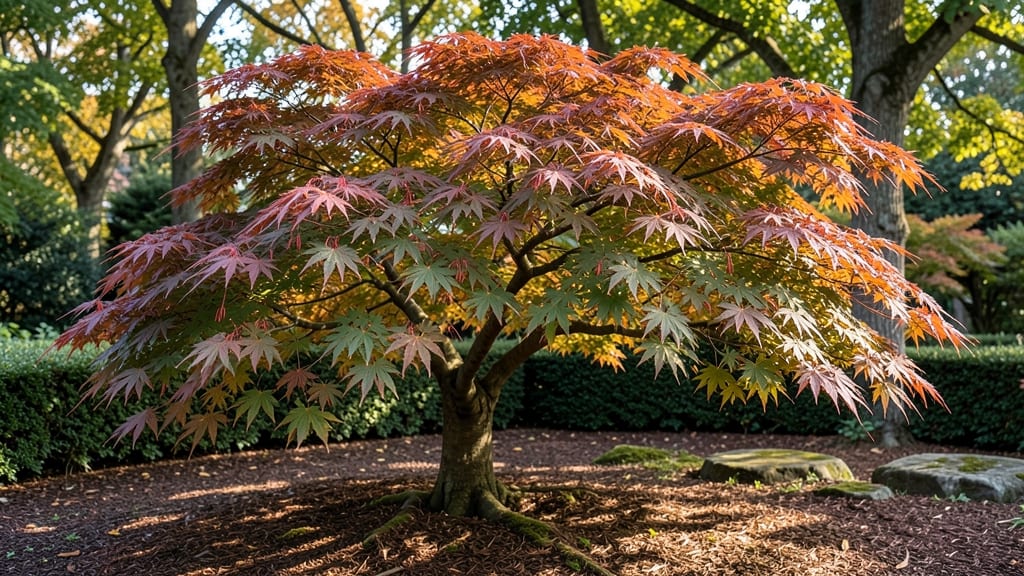
If you’re wondering how tall does a Japanese Maple Tree grow, the answer might surprise you—this stunning 🌳 can range from a compact 6 feet to towering over 30 feet, depending on the variety and care you provide.
What’s even more exciting? With the right pruning techniques, you can shape its height to fit your garden perfectly, whether you want a small accent tree or a larger statement piece.
Japanese Maple Trees are beloved for their vibrant foliage and graceful branches, but their mature size can be a game-changer for your landscaping plans. Some cultivars, like the dwarf varieties, stay under 12 feet, while others, such as the classic 'Emperor I,' can reach 25 feet or more.
The key to controlling their height lies in understanding their growth habits and when to prune for the best results.
Whether you’re a beginner gardener or a seasoned pro, learning how to manage your Japanese Maple’s size will help you create the perfect focal point in your yard.
In this guide, I’ll break down everything you need to know—from height variations by cultivar to step-by-step pruning tips—so you can keep your tree healthy and exactly the size you want.
Ready to transform your garden with a Japanese Maple that fits your space? Let’s dive into the secrets of pruning and growth so you can enjoy this beautiful tree for years to come!


Japanese maple tree height guide: mature size by variety and growing conditions
Japanese maple trees (Acer palmatum) are prized for their stunning foliage and graceful forms, but their mature height can vary dramatically. The average height range spans from 6 feet for dwarf varieties to 30 feet for standard types, depending on the cultivar and growing conditions.
Understanding these differences helps you choose the perfect tree for your space—whether it's a small urban yard or a spacious garden.
For example, the ‘Bloodgood’ cultivar typically reaches 15-20 feet at maturity, making it ideal for medium-sized yards, while ‘Emperor I’ can grow up to 25-30 feet, better suited for larger landscapes.
Even within the same variety, factors like sunlight exposure, soil quality, and pruning practices can influence how tall your Japanese maple grows over time.
🌳Sunlight plays a crucial role in determining how tall your Japanese maple will grow. These trees thrive in partial shade (4-6 hours of sun daily), but too much direct sunlight—especially in hot climates—can stress the tree and encourage rapid, uncontrolled vertical growth.
In contrast, shadier conditions often result in slower, bushier growth, which is ideal if you're aiming for a compact form. For example, a ‘Bloodgood’ in full sun might reach 20 feet, while the same tree in partial shade could stay around 15 feet.
Soil quality is another key factor. Japanese maples prefer well-draining, slightly acidic soil (pH 5.0-6.5). Poor drainage or alkaline soil can stunt growth and weaken the tree, making it more susceptible to disease.
Amending your soil with organic matter like compost or using a well-draining potting mix for container-grown trees ensures healthier, more controlled growth. I’ve found that trees planted in rich, loamy soil grow about 20% taller over 5 years compared to those in sandy or clay-heavy soil.
Climate also affects height. In cooler USDA zones (5-7), Japanese maples grow more slowly due to shorter growing seasons, while in warmer zones (8-9), they may grow faster but require extra care to prevent heat stress.
For instance, a ‘Emperor I’ in zone 6 might reach 25 feet in 15 years, whereas the same tree in zone 8 could hit 30 feet in 10 years if given ideal conditions. Always check your local climate zone to set realistic expectations for growth.
If you're planning to grow a Japanese maple in a container, root restriction naturally limits height. Dwarf varieties like ‘Mikura’ or ‘Shishigashira’ thrive in 15-20 gallon pots and rarely exceed 10 feet in height, even with regular pruning.
However, container-grown trees require annual root pruning to prevent root-bound stress, which can otherwise slow growth or cause leaf scorch. I recommend repotting every 2-3 years to refresh the soil and encourage healthier, more controlled growth patterns.
One common misconception is that all Japanese maples grow tall. In reality, over 50% of cultivars are naturally compact, making them perfect for urban gardens or small patios.
For example, the ‘Viridis’ cultivar stays under 8 feet and has striking variegated foliage, while ‘Orange Dream’ reaches 10-12 feet with vibrant orange leaves. Always check the cultivar’s mature height range before purchasing to avoid surprises down the road.
For gardeners in limited spaces, consider weeping varieties like ‘Crimson Queen’, which grows 6-10 feet tall but spreads 8-12 feet wide, creating a stunning horizontal display. These varieties are ideal for small yards or courtyard gardens where vertical space is at a premium.
Pairing them with ground covers or shrubs can further enhance their visual impact without taking up extra room.
To summarize, the height of your Japanese maple depends on three key factors: the cultivar you choose, the growing conditions (sunlight, soil, climate), and your pruning
Step-by-step pruning guide to control Japanese maple tree height
Pruning is your secret weapon for keeping a Japanese maple tree at your desired height while maintaining its stunning foliage. The key is timing—prune during the dormant season (late fall or winter) or early spring before new growth begins.
This minimizes stress and encourages healthier regrowth. Avoid heavy pruning in late summer, as it can stimulate tender new growth that won’t harden off before winter.
Start by removing dead, diseased, or crossing branches first. These are easy to spot—they’re either brown and brittle or rubbing against other branches. Use clean, sharp bypass pruners or a pruning saw for thicker branches to make clean cuts just above a leaf node or bud.
This ensures the tree can heal properly and directs growth where you want it.
🌿 Step-by-Step Pruning Guide
- Step 1: Prune in late winter/early spring (before buds swell) or dormant season (Nov-Feb).
- Step 2: Remove dead/diseased branches first—cut at the branch collar.
- Step 3: Thin out 1/3 of dense foliage to improve airflow and light penetration.
- Step 4: For height control, prune 1-2 main branches per year—never cut more than 25% of the canopy at once.
- Step 5: Use clean tools and sterilize with rubbing alcohol between cuts to prevent disease.
To control height, focus on the uppermost branches. Select 1-2 main branches to prune each year, cutting just above a bud that faces outward. This encourages the tree to grow wider rather than taller.
Never remove more than 25% of the canopy in a single year—this can shock the tree and lead to weak growth or disease. If you need to reduce height significantly, spread the pruning over 3-4 years.
After pruning, seal larger cuts (over ½ inch) with a tree wound dressing to protect the tree from pests and diseases. While some gardeners debate whether wound dressing is necessary, it’s a good practice for Japanese maples, which are sensitive to canker diseases.
Apply the dressing within 24 hours of pruning to create a barrier. Mulch around the base of the tree to retain moisture and reduce stress during recovery.
Monitor your tree’s response after pruning. Healthy new growth should appear within 4-6 weeks of spring pruning. If growth is sparse or yellowing occurs, your tree may be under stress from over-pruning or poor soil conditions.
In this case, reduce nitrogen fertilizer and ensure the soil stays consistently moist but well-drained. Japanese maples are finicky about soggy roots, so improve drainage if needed by amending the soil with organic matter like compost.
For dwarf varieties like ‘Mikura’ or ‘Shishigashira’, minimal pruning is often needed—just remove dead branches and shape lightly to maintain their compact form. These varieties grow slowly and naturally stay small, so aggressive pruning can be more harmful than helpful.
In contrast, larger varieties like ‘Bloodgood’ or ‘Emperor I’ benefit from regular height control to keep them manageable in smaller yards. The goal is always to balance form and function—never sacrifice the tree’s health for aesthetics.
With consistent pruning, your Japanese maple will thrive at your desired height while still showcasing its breathtaking colors and graceful form. The key is patience—pruning is an ongoing process, not a one-time fix.
Over time, you’ll develop an eye for how much to trim and when, turning your tree into a stunning, space-friendly centerpiece. 🌳