
Plants
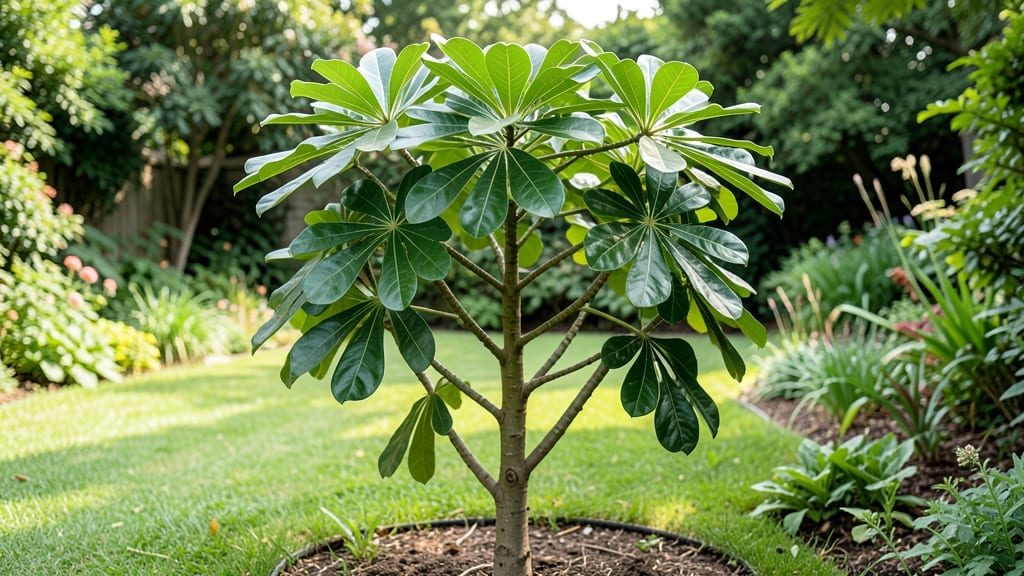
Wondering how tall does a schefflera plant grow before it becomes a space hog? The answer depends on whether you're growing it as a compact tabletop plant or a floor-filling statement piece.
Schefflera 🌿 varieties range from 3-foot dwarf types perfect for shelves to towering 12-foot trees that dominate entire rooms. The key difference? Variety selection and care habits like pruning.
If you're working with limited space, we'll show you how to keep your schefflera at a manageable height without sacrificing its lush foliage. For those embracing its full potential, we'll reveal how to nurture it into a stunning indoor tree.
Whether you're a beginner or seasoned plant parent, these insights will help you plan your schefflera's size from day one. Let's explore what determines its height and how to control it.


Schefflera height by variety: small, medium, and towering options explained
Schefflera plants are famous for their lush, umbrella-like foliage, but their mature height can vary dramatically depending on the variety and growing conditions.
If you're wondering how tall your schefflera will grow, the answer starts with understanding these common types—some stay compact enough for shelves, while others reach ceiling heights indoors. Let’s break down the height ranges and growth habits of the most popular schefflera varieties.
First, the Schefflera arboricola, often called the "Schefflera tree," is the most common houseplant variety. In its natural outdoor habitat, it can grow up to 15–20 feet tall, but indoors, it typically matures between 6–10 feet with proper care.
This variety is highly adaptable, making it a favorite for both beginners and experienced plant parents. If space is limited, you can easily keep it smaller with regular pruning.
For those with smaller spaces, the Schefflera actinophylla (also called the "Umbrella Tree") is another popular choice. This variety grows slightly taller outdoors, reaching 10–15 feet, but indoors, it usually tops out around 8–12 feet.
Its glossy, palm-like leaves make it a stunning focal point, but its height requires thoughtful placement—especially in homes with low ceilings.
If you're looking for a dwarf schefflera, consider the Schefflera 'Trinette' or Schefflera 'Gold Capella'. These varieties are bred to stay compact, typically reaching only 3–5 feet tall indoors.
They’re perfect for desks, shelves, or small apartments where floor space is limited. Their slower growth rate also means less frequent pruning, making them low-maintenance options.
Here’s a quick visual guide to help you compare the mature heights of these varieties at a glance:
| Variety | Indoor Height Range | Outdoor Height Range | Growth Rate |
|---|---|---|---|
| Schefflera arboricola | 6–10 ft | 15–20 ft | Moderate |
| Schefflera actinophylla | 8–12 ft | 10–15 ft | Fast |
| Schefflera 'Trinette' | 3–5 ft | N/A | Slow |
| Schefflera 'Gold Capella' | 3–5 ft | N/A | Slow |
Beyond the variety, the growth rate of your schefflera depends on several factors, including light exposure, soil quality, and container size.
For example, a schefflera in a small pot with limited root space will grow more slowly and stay shorter, while one in a large container with rich, well-draining soil can shoot up quickly.
If you’re growing your schefflera outdoors in warmer climates like USDA Zones 10–11, expect even faster growth due to year-round warmth and humidity.
Light plays a crucial role in height control. Scheffleras thrive in bright indirect light, which encourages balanced growth. Placing your plant near an east or west-facing window will help it grow taller without becoming leggy.
If you notice your schefflera stretching toward a light source, it’s a sign it needs more illumination or a rotation to ensure even growth. In lower-light conditions, growth will slow, and the plant may stay shorter but could become sparse or weak.
Another factor to consider is the pruning schedule. Regular pruning not only shapes your schefflera but also encourages bushier growth. For faster-growing varieties like Schefflera actinophylla, pruning every 6–12 months can keep it at a manageable height.
Meanwhile, dwarf varieties like Schefflera 'Trinette' may only need light trimming to maintain their shape. Always use
How container size and pruning control schefflera growth height
Your schefflera’s height isn’t set in stone—it’s a flexible trait you can shape with the right container choices and pruning techniques. Unlike its wild tropical cousins that can soar to 15 feet outdoors, indoor scheffleras typically stay between 3–10 feet when managed properly.
The key lies in understanding how root restriction and strategic cuts influence growth direction.
Start by selecting a pot that’s 2–4 inches larger than your plant’s current root ball. A smaller container forces the schefflera to focus energy on leaf production rather than vertical growth, keeping it compact and bushy.
For example, a 10-inch pot will yield a 3–5 foot plant, while a 20-inch pot can push it toward 8–10 feet if left unchecked.
🌿 Container Size vs. Schefflera Height
| Container Size | Expected Height | Growth Tip |
|---|---|---|
| 6–8 inches | 2–4 feet | Ideal for dwarf varieties; repot annually |
| 10–12 inches | 4–6 feet | Balances growth; prune twice yearly |
| 15+ inches | 8–12 feet | For tall varieties; use support stakes |
Pruning is your secret weapon for controlling height. Pinching back new growth tips when they’re 4–6 inches long encourages branching, creating a fuller, wider plant. For dramatic height reduction, make hard cuts just above a leaf node—this redirects energy to lateral growth.
Time your pruning in spring or early summer when the plant is actively growing for the best results.
Don’t overlook training techniques like staking or braiding. Use bamboo stakes to guide leggy stems upward, or gently weave stems together to create a bonsai-like effect. These methods not only control height but also add visual interest to your schefflera.
For example, braiding three stems can turn a 6-foot-tall plant into a 3-foot-tall statement piece.
Remember, light exposure plays a role too. A schefflera in low light will grow slower and stay shorter, while bright indirect light can accelerate height growth by up to 50%.
If your plant is shooting up too fast, move it to a shadier spot or reduce sunlight exposure by 20–30%.
With these techniques, you can keep your schefflera at your desired height—whether you prefer a countertop-sized accent plant or a floor-dominating tropical centerpiece. The choice is yours! ✂️🌿