
How To
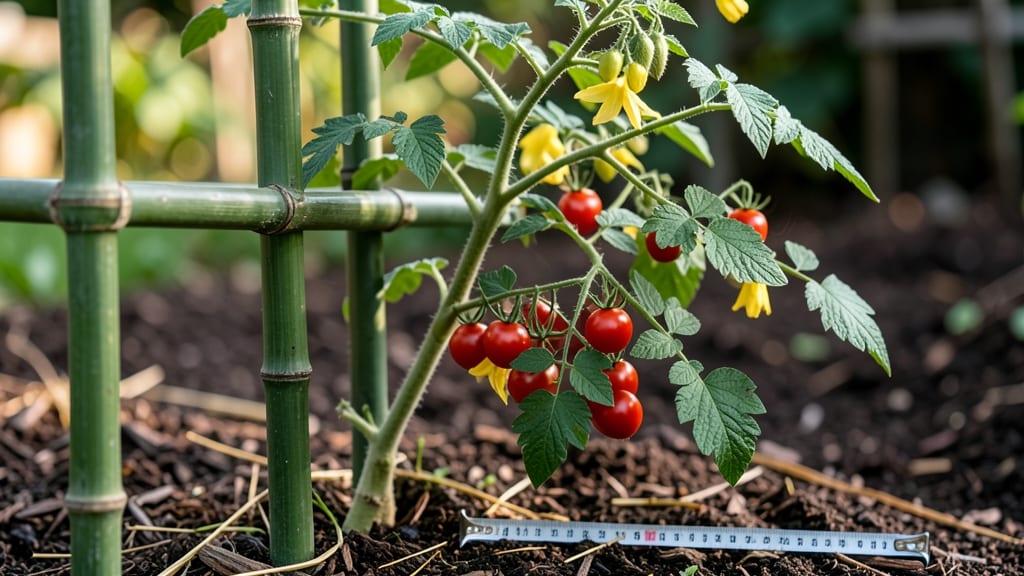
Wondering how tall does cherry tomato plant grow before you plan your garden layout? You’re not alone—this tiny but mighty 🍅 can surprise you with its size, especially if you’re used to dwarf varieties.
Some cherry tomato plants stay compact, perfect for containers, while others reach sky-high, needing sturdy stakes or trellises to support their weight.
The key difference lies in their growth habits: determinate types top out around 3-4 feet, making them ideal for small spaces, while indeterminate varieties can climb to 6-10 feet or more, producing fruit all season long.
Knowing which type you’re growing helps you prep for support, pruning, and even harvest strategies.
If you’re new to gardening, this height variation might feel overwhelming—but it’s actually the game-changer for maximizing your yield. Whether you’re working with limited space or dreaming of a lush vertical garden, understanding these growth patterns ensures you set your plants up for success from day one.
Let’s break down the best varieties for your space, how to control height naturally, and why some 🍅 plants defy expectations. Ready to turn your garden into a cherry tomato powerhouse?


Cherry tomato plant height guide: dwarf vs. vining varieties explained
When planning your cherry tomato garden, height matters more than you think. Some varieties stay as short as 12 inches, while others can climb to 10 feet or taller with proper support.
This dramatic difference affects everything from container choices to trellis needs and even harvest accessibility. Understanding these growth patterns helps you design a space-efficient garden that maximizes yield without sacrificing ease of care.
Cherry tomatoes fall into two main categories: determinate (bush types) and indeterminate (vining types). The first key difference? Determinate varieties stop growing once they reach maturity, while indeterminate types keep growing and producing all season long.
This growth habit directly impacts height—determinate plants rarely exceed 4 feet, while indeterminate vines can stretch 6 to 10 feet or more with training.
Here’s where it gets practical: if you’re working with limited vertical space, dwarf varieties like 'Tiny Tim' (12–18 inches) or 'Patio Princess' (24 inches) are perfect for containers or small gardens.
But if you have a trellis or cage system, taller indeterminate types like 'Sweet Million' or 'Sun Gold' will reward you with continuous harvests all summer long.
🌱
| Type | Height Range | Growth Habit | Best For | Support Needed |
|---|---|---|---|---|
| Determinate (Bush) | 12"–48" | Compact, stops growing | Containers, small gardens | None or small cage |
| Indeterminate (Vining) | 6'–10'+ | Continuous growth | Trellises, vertical gardens | Stakes or strong trellis |
| Semi-Determinate | 3'–5' | Moderate growth | Balconies, raised beds | Optional support |
Need more space? Indeterminate varieties thrive with vertical training!
Let’s talk about real-world examples to make this clearer. If you’re growing 'Tumbling Tom' (a popular container variety), expect it to sprawl 2–3 feet wide but only reach 18–24 inches tall. This makes it ideal for hanging baskets or window boxes.
On the other hand, 'Sungold' (an indeterminate favorite) can climb 8–10 feet if given a sturdy trellis, producing golden, sweet fruits all season.
Your garden’s layout and climate also play a role. In warmer zones (USDA 9–11), indeterminate vines grow even taller because they stay active longer.
Meanwhile, in cooler climates (USDA 5–7), you might see slightly shorter growth unless you use row covers or black plastic mulch to extend the season.
One common mistake gardeners make is underestimating support needs. A 4-foot cage won’t hold a 10-foot indeterminate vine—you’ll need strong wooden stakes or a metal trellis to prevent breakage.
I’ve seen vines snap under their own weight when not properly supported, leading to wasted energy and lost yield. Plan your support system before planting!
For container growers, height becomes a critical factor. A 5-gallon bucket might work for dwarf varieties like 'Micro Tom' (12 inches), but you’ll need a 15-gallon pot or larger for semi-dwarf types like 'Balcony Red.'
Always leave at least 12 inches of root space for healthy growth, and use self-watering containers to prevent drought stress in taller varieties.
Finally, remember that pruning and training can influence height. Even indeterminate vines can be topped or pruned to control size, though this may reduce overall yield. If you’re short on space, consider pruning side shoots to encourage upward growth rather than sprawling vines.
This technique works especially well for balcony gardens or small patios.
✂️
Cherry tomato plant height guide: dwarf vs. vining varieties explained
When planning your garden, knowing how tall cherry tomato plants grow is key to choosing the right varieties for your space. These plants come in two main growth types: determinate (bushy) and indeterminate (vining).
Determinate varieties stay compact, typically reaching 2–4 feet tall, while indeterminate types can climb 6–10 feet or more with proper support. Your garden layout and support system will depend entirely on which type you choose!
Determinate cherry tomatoes are perfect for containers, small gardens, or balcony growing. They produce fruit all at once, making them ideal for canning or quick harvests. Indeterminate varieties, on the other hand, grow continuously throughout the season, offering a steady supply of sweet, bite-sized tomatoes.
If you have vertical space or a trellis, these can become the stars of your garden!
🌱 Visual Height Comparison:
For determinate cherry tomatoes, popular varieties like 'Tiny Tim' or 'Patio Princess' stay under 2 feet tall, making them perfect for hanging baskets or windowsill gardens. These varieties thrive in well-draining soil and require minimal support, though a small cage can help keep them tidy.
If you're short on space but love fresh tomatoes, these are your best bet!
On the other hand, indeterminate cherry tomatoes like 'Sweet Million' or 'Sun Gold' can reach 8–10 feet if left unpruned. Without proper support, their vines can sprawl across your garden, competing with other plants for sunlight and nutrients.
That’s why stakes, trellises, or cages are a must for these varieties. The payoff? A longer harvest season with continuous fruit production!
If you're growing cherry tomatoes in containers or small spaces, opt for dwarf or semi-dwarf varieties. These stay under 3–5 feet tall and can be trained to grow upward with minimal effort.
For larger gardens or trellis setups, indeterminate varieties will give you the most yield and vertical growth. Just remember: pruning and support are your best friends for managing height and maximizing production!
Pro tip: If you're unsure which type to choose, start with a mix! Plant a few determinate varieties for early harvests and a couple of indeterminate types for a continuous supply. This way, you’ll enjoy fresh cherry tomatoes from summer straight through fall! 🍅