
How To
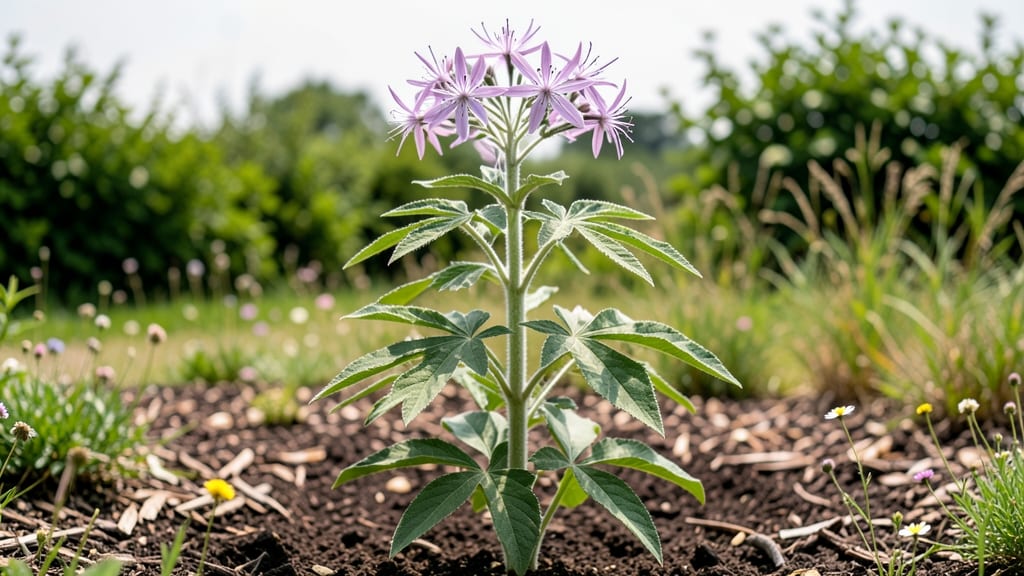
If you’re wondering how tall does Cleome grow, the answer might surprise you—this striking 🌸 plant can reach heights that turn heads in any garden! Whether you’re planning a dramatic border or a cottage-style display, knowing Cleome’s growth potential is key to making the most of its towering beauty.
Most varieties of Cleome, like the beloved Cleome hassleriana, shoot up between 4 to 6 feet under ideal conditions, easily surpassing even the tallest gardeners. But here’s the twist: with a little pruning or strategic spacing, you can coax it into a more manageable size—without sacrificing those showstopping blooms.
In this guide, I’ll break down the exact height ranges for popular Cleome types, plus pro tips for controlling its growth. Whether you’re aiming for a lush, bushy plant or a sky-high focal point, you’ll learn how to shape Cleome to fit your garden vision—no guesswork required.
Ready to transform your space with this easy-to-grow stunner? Let’s dive into the secrets of Cleome’s growth habits and how to harness them for a garden that wows.


Cleome height by variety: exact growth expectations for popular types
Cleome, or spider flower, is a showstopper in any garden, but its height can vary dramatically depending on the variety you choose. Some reach towering heights, while others stay more compact. Understanding these differences helps you plan your garden layout and support needs.
Let me break down the height ranges for the most popular Cleome types, so you can pick the perfect fit for your space.
Most gardeners grow Cleome hassleriana, the classic spider flower, which typically matures between 4 to 6 feet tall. This variety is the most common and versatile, making it a favorite for cottage gardens and mixed borders.
However, if you’re short on space or prefer a lower-growing plant, you might be surprised to learn that dwarf varieties are rare—but there are ways to control height naturally.
For those who love bold statements, Cleome spinosa, also called the spider plant, can grow even taller, often reaching 5 to 7 feet in ideal conditions. Its slender stems and delicate blooms make it perfect for tall garden beds or as a dramatic backdrop.
If you’re growing Cleome in containers, expect slightly shorter heights, usually 3 to 4 feet, due to root restrictions.
Here’s a quick reference for the most popular Cleome varieties and their typical mature heights:
| Variety | Mature Height | Best For |
|---|---|---|
| Cleome hassleriana | 4–6 ft | Cottage gardens, borders |
| Cleome spinosa | 5–7 ft | Tall beds, backdrops |
| Dwarf varieties (rare) | 2–3 ft | Containers, small gardens |
| Container-grown Cleome | 3–4 ft | Patios, balconies |
If you’re growing Cleome in USDA Zone 6a or warmer, expect full height potential. However, in cooler climates, growth may be slightly stunted, topping out around 3 to 4 feet.
The key to maximizing height is providing full sun exposure (at least 6 hours daily) and well-draining soil. Without these, your Cleome may struggle to reach its full potential.
For gardeners with limited space, consider pruning techniques to encourage bushier growth instead of tall stems. I’ll share my favorite methods in the next section, but for now, remember: the taller the variety, the more staking or support it may need to stay upright, especially in windy conditions.
Pro tip: If you’re planting Cleome near a fence or wall, lean into its natural height by positioning it where it can climb or lean against structures. This not only saves space but also creates a stunning vertical display.
Just be sure to leave at least 3 feet of clearance behind the plant to avoid blocking sunlight for shorter neighbors.
🌸
Now that you know the height ranges, let’s talk about how to control Cleome growth—whether you want a compact bush or a towering giant. Pruning is your secret weapon, and I’ll walk you through the best techniques in the next section.
How to control Cleome height: pruning tricks for bushier or taller growth
If you’ve ever watched a Cleome hassleriana shoot skyward like a dramatic garden exclamation point, you know these plants don’t play small. But did you know you can train Cleome’s height—whether to create a compact bush or encourage towering stems?
The secret lies in pruning techniques and timing. I’ve experimented with both approaches, and the results are game-changing for garden design.
Pruning isn’t just about cutting back—it’s about guiding growth direction. For taller Cleome, you’ll focus on encouraging vertical growth by removing side shoots early. For bushier Cleome, strategic trimming promotes lateral branching.
The key? Start pruning when plants reach 12-18 inches tall, before they’ve committed to their final growth path.
Here’s my step-by-step pruning guide to control Cleome height, complete with tools and timing to avoid common mistakes:
- ✂️ Bypass pruners (clean, sharp blades)
- 🪴 Garden gloves (protect from thorns)
- 🧼 Rubbing alcohol (sterilize tools between cuts)
- Taller growth: Prune side shoots near base
- Bushier growth: Trim top 1/3 of stems to encourage branching
- 🌱 Early spring: Remove dead/damaged stems (never more than 1/3 of plant)
- ☀️ Mid-summer: Pinch new growth tips to force bushiness
- 📏 Cut at 45° angle 1/4" above leaf node
- ❌ Avoid cutting into woody stems (hurts plant)
- 💧 Water deeply after pruning (stress reduction)
- 🌿 Add compost around base (nutrient boost)
Pro tip: Never prune Cleome in fall—this plant needs its energy to establish roots for next year’s growth. I’ve seen gardeners accidentally kill their Cleome by heavy autumn pruning, so save your cuts for spring and summer only.
For extra-tall varieties, consider support stakes (more on that in the next section!).
Remember, Cleome responds best to gentle guidance. Over-pruning leads to leggy, weak growth, while minimal trimming lets those spider-like blooms shine. Start with one plant as a test, and adjust your approach based on how it rebounds. Your garden’s vertical drama is just a few snips away!