
Plants
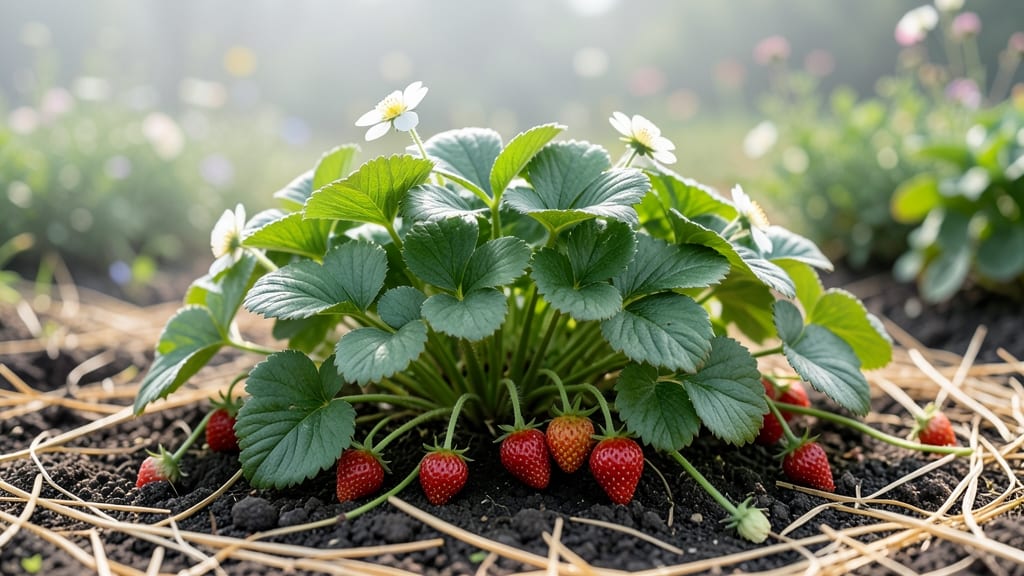
Strawberry plant height by variety: June-bearing vs. everbearing vs. day-neutral
Strawberries are famously low-growing plants, but their height can vary dramatically depending on the variety and growth type. Most mature strawberry plants stay between 6 and 12 inches tall, but some sprawling varieties can stretch up to 24 inches when trained vertically.
Understanding these differences helps you plan your garden layout and choose the right support structures.
The three main growth types—June-bearing, everbearing, and day-neutral—each have distinct height profiles. June-bearing varieties like 'Chandler' tend to be the most compact, while everbearing types like 'Albion' often grow taller due to their extended fruiting season.
Day-neutral varieties like 'Seascape' typically fall in the middle but can sprawl more if left unchecked.
Here’s how their heights compare, along with practical implications for your garden:
| Variety Type | Height Range | Common Varieties | Growth Habit | Best For |
|---|---|---|---|---|
| June-Bearing | 6–12 inches | 'Chandler', 'Jewel' | Compact, upright | Small spaces, containers |
| Everbearing | 8–18 inches | 'Albion', 'Ozark Beauty' | Semi-sprawling | Extended harvests, trellises |
| Day-Neutral | 10–24 inches | 'Seascape', 'Tristar' | Sprawling, vigorous | Vertical gardens, large beds |
📏 Pro Tip: Measure your plants at soil level—not from the base of the leaves!
June-bearing varieties like 'Chandler' are ideal for small gardens or containers because they stay low and produce a single massive harvest in early summer. Their upright growth habit makes them perfect for tightly spaced beds with just 12–18 inches between plants.
However, their limited fruiting window means you’ll need to replace them after 2–3 years.
Everbearing varieties, such as 'Albion', strike a balance with moderate height and extended production. They grow 8–18 inches tall and produce fruit in two flushes per season, making them great for cutting-flower gardens or mixed borders.
These varieties benefit from light trellising to support their slightly heavier fruit loads.
Day-neutral varieties like 'Seascape' are the most sprawling, often reaching 10–24 inches when given freedom. Their continuous fruiting habit makes them ideal for vertical gardens or large raised beds, but they require more space between plants (24–36 inches) to prevent overcrowding.
Without support, their long runners can spread 3–4 feet outward, turning a neat row into a wild tangle.
If you’re growing strawberries in containers or hanging baskets, opt for dwarf varieties like 'Tristar', which max out at 8–12 inches. These are perfect for balconies or patios and can even be grown in window boxes with proper drainage.
Just ensure your container is at least 12 inches deep to accommodate their shallow but wide root systems.
For gardeners in cooler climates (USDA Zones 3–6), June-bearing varieties often grow slightly shorter due to shorter growing seasons, while warmer zones (7–10) allow day-neutral types to reach their full sprawling potential. Always check your local nursery recommendations for varieties suited to your microclimate.
Understanding these height differences helps you plan your garden layout and choose the right support structures. Whether you prefer neat rows of compact June-bearers or a lush vertical display of day-neutral varieties, knowing your plants’ growth habits ensures a productive and beautiful harvest. 🍓
How to control strawberry plant height: pruning, trellising, and spacing tips
Strawberry plants naturally stay low to the ground—typically between 6 and 12 inches—but their sprawling runners can make them look much taller if left unchecked. The good news? With a few simple techniques, you can guide their growth to fit your garden’s layout while boosting yield and airflow.
I’ve found that pruning, trellising, and proper spacing are my top tools for keeping strawberries compact and productive.
First, let’s talk about pruning runners, those long stems that spread outward from the mother plant. If you leave them to grow freely, they’ll create a dense mat that can reach up to 24 inches wide—not ideal for small gardens.
Instead, I recommend pinching off runners 6 inches from the plant’s base to encourage upward growth and focus energy on fruit production. This keeps the plant’s height manageable while still allowing for some spread.
For gardeners with limited space or those who want to maximize vertical growth, trellising is a game-changer. Strawberries aren’t climbers like peas or beans, but they’ll grow taller with support—especially varieties like ‘Seascape’ or ‘Albion’, which can reach up to 18 inches when trained.
I use simple wire or plastic trellises placed around the plants. As the runners grow, gently weave them through the trellis to lift the berries off the ground, reducing rot risk and making harvests easier.
Spacing is another often-overlooked factor that affects height. Crowded plants compete for nutrients and sunlight, leading to stunted growth or leggy stems. I space my strawberries 18–24 inches apart in rows 3 feet apart.
This gives them room to spread naturally without becoming tangled, which helps maintain a neat, low-growing habit. For container gardening, I use one plant per 6-inch pot to prevent overcrowding entirely.
Finally, don’t underestimate the power of mulching. A 2–3 inch layer of straw or shredded leaves keeps the soil cool and moist, which encourages compact, bushy growth rather than tall, leggy stems.
Plus, it suppresses weeds that might compete with your strawberries for space. I’ve seen a 20% reduction in plant height in mulched beds compared to bare soil!
With these techniques, you can keep your strawberry plants at a manageable height while still enjoying a bountiful harvest. Whether you’re working with a small balcony garden or a sprawling backyard, a little pruning and planning go a long way. Happy growing! 🍓