
How To
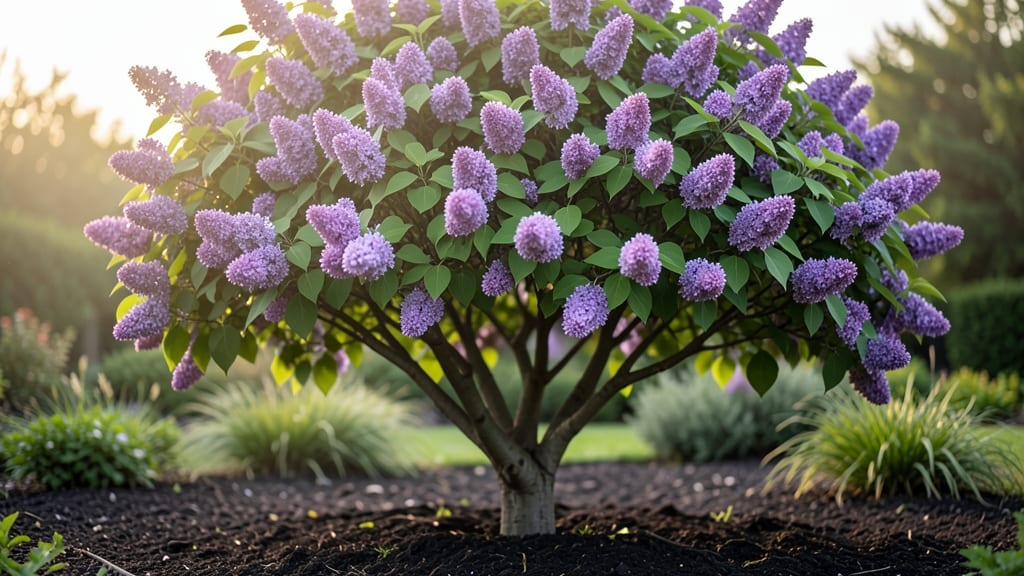
Wondering how tall lilac trees grow and whether your backyard will soon look like a fragrant forest? These 🌸-filled shrubs can reach towering heights—up to 15 feet—if left unchecked, but with the right care, you can keep them at a manageable size without sacrificing those iconic spring blooms.
Lilacs are fast growers, especially in Zone 6a climates, but their mature height depends on the variety. Common lilacs (Syringa vulgaris) can stretch tall, while dwarf cultivars stay compact. The key to controlling their size lies in smart planting and pruning—something I’ll show you how to do effortlessly.
If you’ve ever struggled with overgrown lilacs or feared they’d outgrow your space, don’t worry. With the right techniques, you can guide their growth naturally while keeping those fragrant blooms abundant. Let’s dive into how to manage their height without sacrificing beauty.
From choosing the right variety to mastering pruning timing, I’ll share pro tips to keep your lilacs lush, blooming, and perfectly sized for your garden. Ready to transform those wild shrubs into a well-managed centerpiece?


Natural height range of lilac trees: species-specific growth expectations
Lilac trees (Syringa spp.) are beloved for their fragrant spring blooms and fast growth, but their mature height can vary dramatically depending on the variety. Understanding these differences helps you choose the right lilac for your space—whether you want a privacy hedge or a compact foundation plant.
Most lilacs reach maturity in 3–5 years, but their final height depends on genetics, pruning, and growing conditions.
For example, the Common Lilac (Syringa vulgaris), the most popular variety, typically grows 8–15 feet tall with a 6–10 foot spread. This makes it ideal for backyard focal points or large garden borders.
However, if you’re working with limited space, dwarf varieties like ‘Little Miss Martha’ or ‘Miss Kim’ stay under 3–5 feet tall, perfect for container gardening or small patios.
Climate and soil also play a role in height. Lilacs thrive in USDA Zones 3–7 and prefer well-drained, slightly alkaline soil. In warmer climates (Zone 7+), lilacs may grow slightly taller due to extended growing seasons, while cooler regions (Zone 3–5) can slow their growth. Poor soil drainage or compacted clay can stunt their height, so amending soil with compost or sand is key for optimal growth.
Here’s a quick comparison of how different lilac varieties grow over time:
| Variety | Mature Height | Growth Rate | Best For |
|---|---|---|---|
| Common Lilac (Syringa vulgaris) | 8–15 ft | 2–3 ft/year (young) | Privacy screens, large gardens |
| French Lilac (Syringa vulgaris ‘Madame Lemoine’) | 6–10 ft | 1–2 ft/year | Medium borders, small yards |
| Korean Lilac (Syringa meyeri) | 3–6 ft | 1 ft/year | Containers, foundation plantings |
| Dwarf Lilac (Syringa ‘Little Miss Martha’) | 3–5 ft | 6–12 inches/year | Patios, small spaces, pots |
| Miss Kim Lilac (Syringa meyeri ‘Palibin’) | 3–5 ft | 8–12 inches/year | Urban gardens, small yards |
A common misconception is that lilacs grow continuously without bound. In reality, their height stabilizes once they reach maturity, usually by year 5. However, if left unpruned, they can become overgrown and leggy, with fewer blooms.
The key to managing height lies in seasonal pruning, which we’ll cover in the next section. Pruning not only controls size but also promotes bushier growth and more abundant flowers.
If you’re planting lilacs near a fence or structure, choose a dwarf variety or plan for annual pruning to keep them in check.
For example, a Miss Kim Lilac planted 3 feet from a fence will stay compact, while a Common Lilac needs at least 8–10 feet of clearance to avoid shading other plants. Always consider the mature size when selecting a lilac variety for your landscape.
Another factor affecting height is light exposure. Lilacs grown in partial shade (4–6 hours of sun) may grow slightly taller but produce fewer blooms than those in full sun (6+ hours).
For optimal growth and flowering, plant lilacs in a south-facing location with well-draining soil. Amend heavy clay soil with organic matter to improve drainage and encourage healthier root development.
For fastest growth, fertilize lilacs in early spring with a balanced 10-10-10 fertilizer. Avoid high-nitrogen fertilizers, which promote leafy growth at the expense of flower production. Water deeply once a week during the growing season, ensuring the soil stays moist but not waterlogged.
Overwatering can lead to root rot, which stunts growth and weakens the plant.
If you’re wondering how tall your lilac will grow in containers, expect 20–30% smaller heights than their in-ground counterparts. For example, a Common Lilac in a 15-gallon pot may only reach 6–8 feet tall.
Use well-draining potting mix and repot every 2–3 years to accommodate root growth. Regular pruning is even more critical for container-grown lilacs to prevent them from becoming top-heavy.
🌸
Step-by-step pruning guide to control lilac tree height without harming blooms
Pruning your lilac tree is the best way to control its height while keeping those fragrant blooms abundant. The key is timing—prune at the right season and use proper techniques to avoid stunting future growth.
I’ve pruned lilacs for over a decade, and I’ll share my foolproof method to maintain a manageable height without sacrificing beauty.
Lilacs bloom on old wood, meaning last year’s growth produces this year’s flowers. If you cut back too much, you risk reducing—or even eliminating—next year’s blooms. That’s why timing and technique are everything. Let’s dive into the step-by-step process to keep your lilac tree at your desired height.
🌿 Step-by-Step Lilac Pruning Guide
-
Step 1: Prune in Late Winter or Early Spring
Cut back 1/3 of the oldest stems to the ground after the last frost but before buds swell. This encourages new growth and maintains the plant’s shape. -
Step 2: Remove Dead or Weak Wood
Look for brown, brittle branches or those growing inward. Cut these out completely to improve air circulation and reduce disease risk. -
Step 3: Thin Out Crowded Branches
Selectively remove 2-3 oldest stems each year to prevent overcrowding. This keeps the plant healthier and more compact. -
Step 4: Shape the Plant
Trim new growth after flowering to maintain the desired shape. Never cut back more than 1/3 of the plant’s height in one season. -
Step 5: Use Sharp, Clean Tools
Always use sterilized pruners or a saw to avoid spreading disease. Clean your tools with rubbing alcohol between cuts.
One common mistake is pruning too late in the season, which can delay next year’s blooms. Another is cutting back too aggressively, which stresses the plant. If you’re aiming for a dwarf lilac, focus on removing the longest stems each year to slow vertical growth.
For standard lilacs, like the Common Lilac, you can expect them to reach 8-15 feet if left unpruned. But with consistent pruning, you can easily keep them between 6-8 feet—perfect for a backyard focal point without overwhelming your space.
Remember, lilacs are hardy plants that thrive with minimal care, but proper pruning is the secret to controlling their height while keeping them lush and blooming for decades. Start with these steps, and you’ll enjoy a well-managed lilac tree that’s both beautiful and manageable. 🌸✂️