
How To
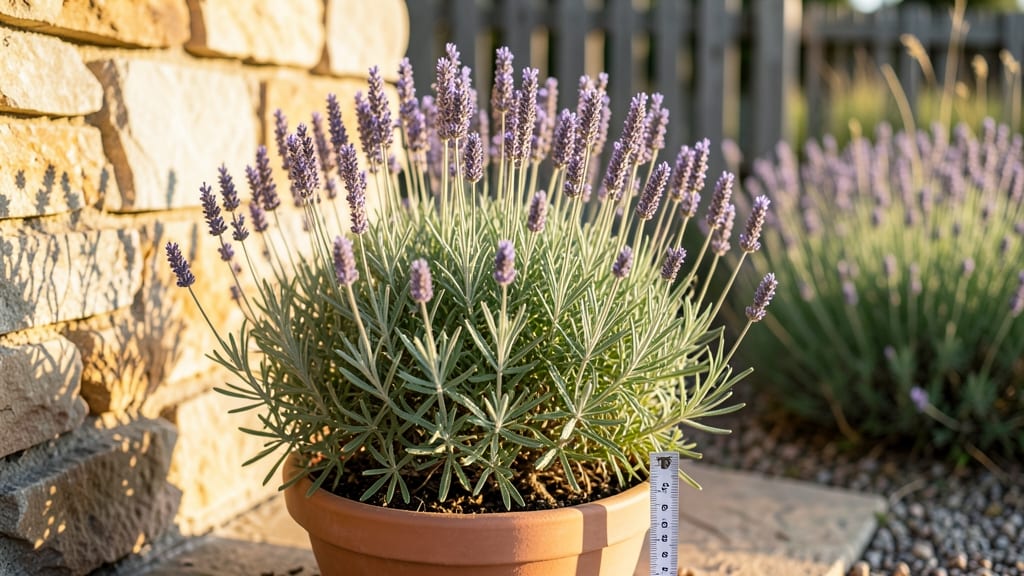
Standard lavender height guide: how tall do common varieties grow?
Choosing lavender varieties is all about balancing height and garden space. Standard lavender types typically reach 2 to 3 feet tall at maturity, making them ideal for borders, hedges, or cottage-style gardens.
Their upright growth habit creates a natural, fragrant barrier that thrives in full sun and well-draining soil. If you're planning a lavender hedge, these varieties will give you that classic, romantic look with minimal fuss.
English lavender (Lavandula angustifolia) is the most popular standard variety, growing 2 to 3 feet tall and 1 to 2 feet wide. It’s the classic choice for scented gardens and cut flower arrangements.
French lavender (Lavandula stoechas) stands slightly taller at 2.5 to 3.5 feet, with its unique purple "rabbit ear" blooms adding visual interest. Spanish lavender (Lavandula dentata) is the tallest, often reaching 3 to 4 feet, perfect for background planting or privacy screens.
Understanding these mature heights helps you plan spacing. For example, English lavender needs 18 to 24 inches between plants, while Spanish lavender may require 3 feet to avoid overcrowding. Proper spacing ensures good airflow, reducing the risk of fungal diseases and promoting bushier growth.
| Variety | Mature Height | Width | Best For |
|---|---|---|---|
| English Lavender | 2–3 ft | 1–2 ft | Borders, hedges, cut flowers |
| French Lavender | 2.5–3.5 ft | 1.5–2 ft | Accent plants, containers |
| Spanish Lavender | 3–4 ft | 2–3 ft | Backgrounds, privacy screens |
Pruning plays a huge role in controlling lavender height. If your standard lavender starts to outgrow its space, prune it back by one-third in early spring before new growth begins.
Avoid cutting into old wood, as lavender struggles to regrow from mature stems. For taller varieties, a light trim after flowering keeps them compact and bushy without sacrificing fragrance.
Another factor influencing height is soil drainage. Lavender hates soggy roots, so amending clay soil with sand or gravel prevents stunted growth. If your lavender seems leggy or sparse, it might be getting too much water.
Stick to deep watering every 10–14 days and let the soil dry between sessions. Mulching with gravel or pebbles (never organic mulch) helps maintain dry, well-aerated roots.
For urban gardeners with limited space, semi-dwarf varieties like Lavandula x intermedia (e.g., 'Grosso') grow 2 to 2.5 feet tall but stay denser and more manageable. These hybrids combine the fragrance of English lavender with the hardiness of French types, making them a versatile middle ground.
If you love the look of tall lavender but need a smaller footprint, these are perfect for narrow beds or large containers.
One common mistake is assuming all lavender grows the same height. Spanish lavender, for example, can easily reach 4 feet if left unpruned, while English lavender tops out at 3 feet.
Always check the plant tag or seed packet for exact expectations. If you’re planting near a window or walkway, choose a variety that won’t block sunlight or become a tripping hazard.
Lavender’s height also affects its harvesting potential. Taller varieties yield more dried flowers for sachets or potpourri, while compact types produce smaller but more frequent blooms. If you’re growing lavender for essential oils, standard heights are ideal because they have more flowering stems per plant.
For culinary uses, dwarf varieties often have stronger, more concentrated flavors.
To maximize both height and health, plant lavender in spring after the last frost when the soil has warmed. This gives roots time to establish before summer heat. If you’re in a hot, dry climate, mulch with gravel to retain moisture while preventing root rot.
With the right variety and care, your lavender will thrive—whether you want a towering hedge or a neat, low border.
Dwarf lavender sizes: best compact varieties for small gardens and containers
If you love lavender's fragrance but have limited space, dwarf varieties are your perfect match. These compact plants thrive in containers, window boxes, and small garden beds while still delivering that signature calming scent.
Most dwarf lavenders stay under 18 inches tall, making them ideal for patios, balconies, or even as windowsill companions.
Unlike their taller cousins, dwarf lavender varieties grow more slowly and require less pruning. They’re also perfect for urban gardeners or anyone with small outdoor spaces. Below, I’ve compared the top 5 dwarf varieties to help you pick the best fit for your garden design.
🌱 Dwarf Lavender Varieties Comparison
| Variety | Mature Height | Spread | Best For |
|---|---|---|---|
| 'Hidcote Giant' | 12-18 in | 12-18 in | Containers, borders |
| 'Munstead' | 12-18 in | 12-18 in | Windowsills, small gardens |
| 'Lavender Lady' | 10-12 in | 12 in | Hanging baskets, patios |
| 'Bandera' | 12-15 in | 12-15 in | Drought-prone areas, borders |
| 'Kew Red' | 12-15 in | 12-15 in | Rock gardens, containers |
When choosing a dwarf lavender, consider your container size and garden layout. For example, 'Lavender Lady' is perfect for hanging baskets because of its trailing habit, while 'Bandera' thrives in dry, sunny spots with minimal care.
All of these varieties are drought-tolerant, so they’re great for low-maintenance gardens.
One key difference between dwarf and standard lavender is their growth rate. Dwarf varieties mature faster and don’t need as much pruning to control height.
However, they still benefit from light pruning after flowering to maintain shape and encourage bushiness. Avoid heavy pruning, as it can stress these smaller plants.
For container gardening, use pots with drainage holes and a well-draining soil mix. A blend of cactus/succulent mix with perlite works well. Place containers in full sun (at least 6 hours daily) to ensure healthy growth and abundant blooms.
With the right variety and care, your dwarf lavender will reward you with years of fragrance in even the smallest spaces.
If you’re unsure which variety to pick, start with 'Hidcote Giant'—it’s one of the most versatile and hardy dwarf options. Its vibrant purple blooms and compact size make it a crowd-pleaser for beginners and experts alike.