
Plants
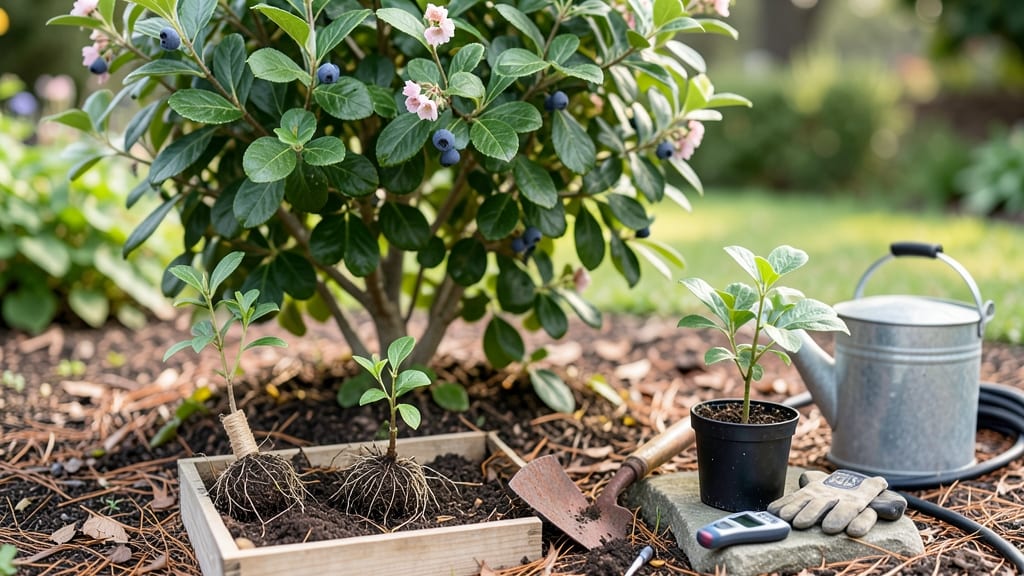
Best planting months for blueberries in Seattle’s climate zones
Seattle’s cool, maritime climate (USDA Zone 8a-9a) creates a unique window for planting blueberries. Unlike warmer regions, you can’t just follow a generic spring planting guide—chill hours and frost risks dictate the perfect timing.
Most gardeners in Seattle plant between late February and early April, but your exact timing depends on whether you’re planting bare-root or potted blueberries.
Bare-root plants are hardier and can handle Seattle’s mild winters, making them ideal for late winter planting (February). Potted plants, however, need to be planted before the last frost (typically around March 15), so aim for early spring.
If you miss this window, fall planting (September-October) is a second-best option, but it requires extra care to protect young plants from early frosts.
Seattle’s microclimates also play a role. Urban areas like Ballard or Fremont may experience warmer microclimates due to urban heat islands, while rural spots near the Cascade foothills can be cooler and frost-prone. Always check your local last frost date and adjust accordingly.
| Planting Method | Best Months | Key Considerations | Seattle-Specific Notes |
|---|---|---|---|
| Bare-Root Plants | Late February - Early March | Hardy, dormant roots; plant before buds swell | Ideal for Seattle’s mild winters; soak roots for 2-4 hours before planting |
| Potted Plants | March - Early April | Established root system; plant after last frost | Urban areas may need container growing; protect from wind |
| Fall Planting | September - October | Second-best option; plant 6-8 weeks before first frost | Use mulch to insulate roots; avoid waterlogged soil |
If you plant too early, your blueberries may sprout prematurely and get damaged by late frosts. If you plant too late, they won’t establish strong roots before summer heat arrives.
For container growing (great for urban Seattle gardens), plant potted blueberries in March to give them time to adjust before the growing season peaks.
Seattle’s wet winters can also complicate planting. Avoid planting in waterlogged soil, which is common in low-lying areas. Amend your soil with compost or peat moss to improve drainage before planting.
If your garden sits in a shady spot, consider dwarf varieties like ‘Top Hat’, which tolerate partial shade better than standard bushes.
Always plant blueberries in a well-draining, acidic spot (pH 4.5–5.5). In Seattle, this often means amending garden soil with sulfur or pine needles. If your yard has clay-heavy soil (common in areas like Mercer Island), raise beds or use container growing to prevent root rot.
After planting, mulch heavily with pine straw or wood chips to retain moisture and regulate soil temperature. This is especially critical in Seattle’s cool, damp climate, where temperature swings can stress young plants. Water deeply once a week (or more during dry spells) to encourage deep root growth.
For urban gardeners with limited space, consider dwarf varieties like ‘Sunshine Blue’ or ‘Pink Lemonade’. These thrive in containers and produce fruit in 2–3 years—perfect for Seattle’s compact yards. Just ensure your container has drainage holes and is at least 18 inches deep.
Finally, protect your new plants from winter winds and early frosts by planting near a windbreak (like a fence or hedge). In colder microclimates (e.g., Snoqualmie Pass), wrap young plants with burlap or use a cloche for extra protection.
Best planting months for blueberries in Seattle’s climate zones
Seattle’s mild but unpredictable climate makes timing critical for blueberry success. The Puget Sound region (USDA Zones 7b-8a) typically sees last frosts around March 15, but urban areas like Bellevue or Kirkland can frost up to 2 weeks later due to microclimates.
Planting too early risks frost damage, while waiting too long delays root establishment.
For bare-root plants, aim for late winter to early spring (February–April)—this gives roots 6–8 weeks to establish before summer heat. Potted blueberries are more flexible and can go in until May, but avoid planting after June 1 to prevent stress from summer droughts.
| Planting Window | Best For | Risks | Action Steps |
|---|---|---|---|
| Late Winter (Feb) | Bare-root plants | Late frost damage | Mulch heavily with pine needles (pH 4.5–5.5) |
| Early Spring (Mar–Apr) | Bare-root or potted | Slow root growth | Water deeply 2x/week until established |
| Late Spring (May) | Potted plants only | Summer drought stress | Use drip irrigation for consistent moisture |
| Fall (Oct) | Avoid (unless warm microclimate) | Winter heaving | Skip—Seattle’s cool, wet winters delay root growth |
Seattle’s urban heat islands (like Downtown or Ballard) can push last frost dates back by 10–14 days. Check your local frost map (e.g., PNW Gardeners’ Almanac) and plant 1–2 weeks after your area’s average last frost.
For container growing, use black plastic pots to warm soil faster in cooler microclimates.
If you miss the spring window, fall planting is risky in Seattle’s climate. The cool, wet winters can cause root heaving (soil pushing roots out of the ground).
Instead, opt for potted blueberries in large containers (15+ gallons)—they’re easier to move if frost threatens. Just ensure pots have drainage holes to prevent waterlogged roots.
Pro tip: Plant blueberry bushes in groups of 3–5 for cross-pollination. Space them 5–6 feet apart to allow airflow, reducing fungal diseases like botrytis. In shady urban yards, choose dwarf varieties (e.g., ‘Top Hat’) that tolerate 4–6 hours of sun.
Remember, acidic soil (pH 4.5–5.5) is non-negotiable. Test your soil before planting—Seattle’s native soil is often alkaline, and amending it takes time. Use sulfur or peat moss to adjust pH if needed. 🌱