
Plants
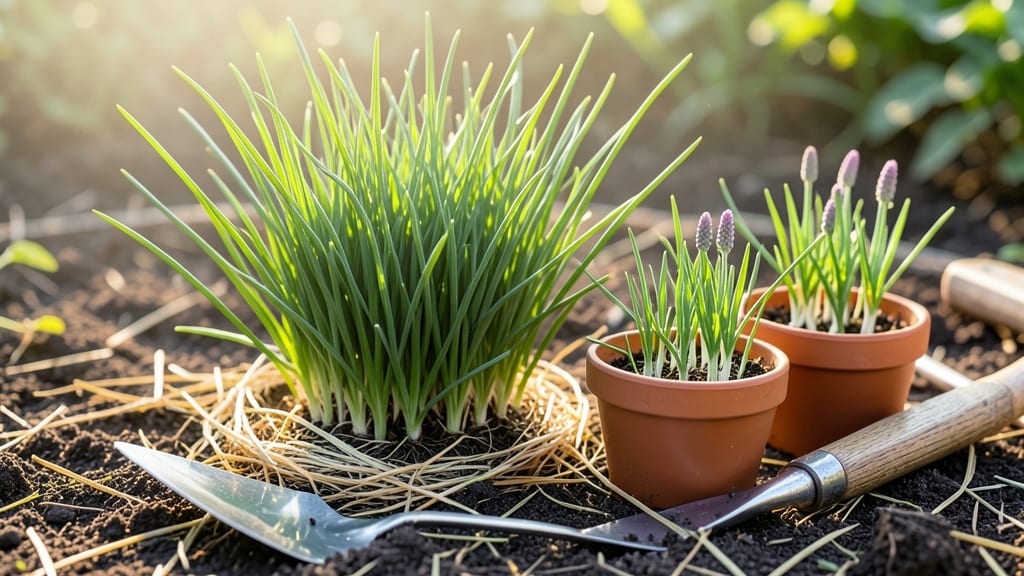
Best planting months for chives in Texas (by region)
Texas’s diverse climate zones mean your chive planting schedule should depend on whether you’re in North, Central, or South Texas. Chives thrive in cool seasons but bolt quickly when temperatures rise above 85°F. Here’s the exact timing to avoid wasted seeds and missed harvests.
In North Texas (USDA Zones 7b-8a), where frost can linger until mid-February, aim to plant chives 4-6 weeks before the first frost—typically late September to early November for a fall harvest. For spring, plant February to early March after the last frost date.
For Central Texas (USDA Zones 8a-8b), with milder winters, September to October is ideal for fall planting. Spring planting should start late February to early March to beat the April heat. Avoid planting in May or June—chives will bolt within weeks.
| Region | Best Planting Months | Avoid Planting | Key Tip |
|---|---|---|---|
| North Texas | Late Sept - Early Nov (Fall) Feb - Early Mar (Spring) |
May - July | Use mulch to protect from early frosts. |
| Central Texas | Sept - Oct (Fall) Late Feb - Early Mar (Spring) |
April - June | Plant in partial shade to delay bolting. |
| South Texas | Aug - Sept (Fall) Jan - Early Feb (Spring) |
March - May | Use shade cloth in summer to prevent overheating. |
In South Texas (USDA Zones 9a-10b), where winters are mild, plant chives August to September for a fall harvest or January to early February for spring. The heat of March and April will cause chives to bolt rapidly—so avoid planting then unless you’re using shade cloth.
Chives are perennial in Texas, meaning they’ll regrow each year if given the right conditions. However, their first-year growth sets the stage for future harvests. Planting at the optimal times above ensures your chives establish strong roots before summer’s heat arrives.
If you’re in a warmer microclimate (like urban areas with heat islands), err on the side of earlier fall planting—chives can handle cooler temps better than they can handle consistent 90°F+ days. For example, Austin gardeners should plant by mid-September to avoid bolting.
Pro tip: Direct sow seeds in your garden beds instead of starting indoors—chives hate transplant shock and may bolt if disturbed. Scatter seeds ¼-inch deep and keep the soil moist but not soggy until germination (which takes 10-20 days in ideal conditions).
For container gardening, the same rules apply, but containers dry out faster in Texas heat. Use well-draining pots with organic matter (like compost) and water daily in summer to prevent stress. Containers also allow you to move chives to shade during peak afternoon heat.
Remember, chives are day-length sensitive—they bolt when days get too long (typically after March 20). By planting in fall or early spring, you align their growth cycle with Texas’s cooler, shorter days, delaying bolting for months longer than a summer planting.
🌿
Best planting months for chives in Texas (by region)
Texas’s diverse climate zones mean chives thrive at different times depending on whether you’re in North, Central, or South Texas. In USDA Zones 8a-10b, chives bolt (flower prematurely) when temperatures climb above 85°F or drop below 40°F.
Timing your plantings around these extremes ensures a longer harvest window.
For North Texas (Zones 8a-8b), focus on fall plantings (September-November) to avoid summer heat. Central Texas (Zones 8b-9a) gardeners can stretch plantings into early spring (February-March), while South Texas (Zones 9b-10b) enjoys year-round growth with fall and winter plantings.
🌱Pro Tip: Use shade cloth (30-50%) in summer to protect chives from bolting if you plant in April or May.
🌿 Chives Planting Schedule by Texas Region
| Region | Best Planting Months | Avoid Planting | Notes |
|---|---|---|---|
| North Texas (Zones 8a-8b) | September-October, February-March | May-July, December | First frost risk in December; use mulch. |
| Central Texas (Zones 8b-9a) | August-September, February-April | June, November | Extend spring harvest with shade cloth. |
| South Texas (Zones 9b-10b) | Year-round (peak: Sept-Feb) | None (but bolting risk in summer) | Use 50% shade cloth June-August. |
In North Texas, aim for September 15-October 15 to establish roots before winter. Central Texas can push plantings to early April if you provide afternoon shade. South Texas gardeners can plant year-round but prioritize September-February for best results.
🌡️Temperature Tip: Chives prefer 50-75°F for optimal growth. Use a thermometer to monitor soil temps—plant when it’s consistently above 60°F.
For container gardening, plant chives in early spring (March) or late summer (August) to avoid overheating. Move pots to partial shade during 10 AM-4 PM in summer to prevent bolting.