
Flowers
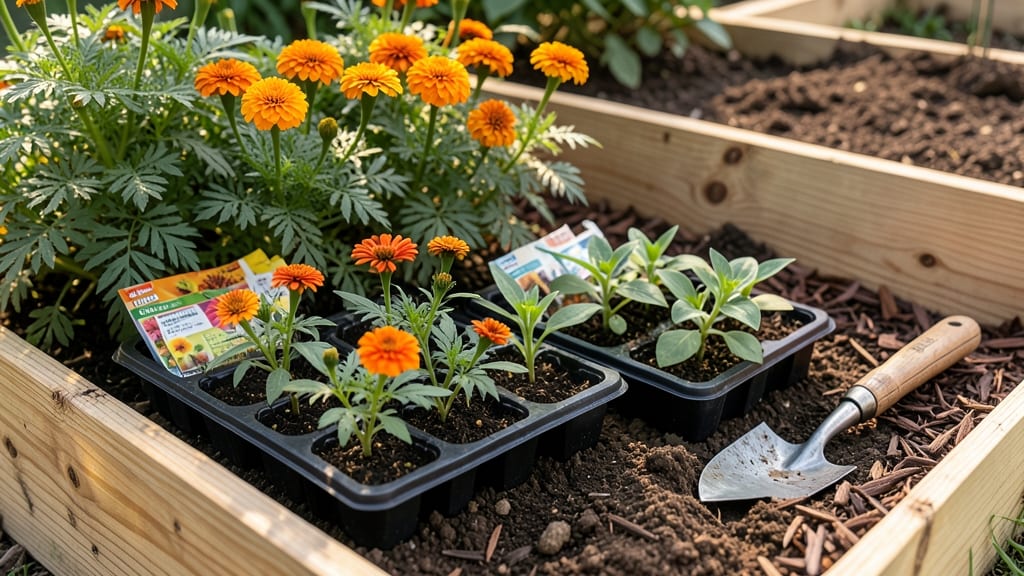
Timing matters more than you think when it comes to planting flower seeds in Massachusetts—get it wrong, and your dream garden could end up as a sad, frost-killed memory.
The 5b-6b hardiness zones here mean you’ve got a narrow window to work with, especially since last frost typically hits in mid-April and first frost arrives by mid-October.
I’ve learned the hard way that rushing seeds into cold soil or waiting too long for warm-weather blooms can turn your gardening dreams into a disappointing flop.
But here’s the good news: with the right strategy, you can enjoy vibrant blooms from spring to fall, no matter whether you’re sowing cosmos in March or marigolds in July.
What you’ll discover in this guide is exactly when to plant—down to the month—plus soil prep tips tailored to Massachusetts’ climate. Whether you’re a beginner or a seasoned gardener, these steps will help you avoid common mistakes and maximize your flower seeds’ 🌸 potential.
From starting cool-season flowers indoors to direct-sowing heat-lovers after the last frost, I’ll walk you through the process so your garden thrives all season long. Let’s get those seeds in the ground at the perfect time!
Massachusetts flower seed planting calendar by hardiness Zone (exact months)
Massachusetts spans USDA Hardiness Zones 5b-6b, which means our last average frost typically arrives in mid-April, while the first frost often hits around mid-October. These dates create a 165-day growing window—perfect for planning your flower seed schedule.
Cool-season flowers like pansies and snapdragons can handle light frosts, while marigolds and cosmos need warmer soil to sprout.
To maximize blooms, align your planting with soil temperatures and moon phases. For example, cosmos seeds germinate best when soil reaches 70°F, while calendula thrives in cooler 60°F soil. Below is your month-by-month planting guide, tailored to Massachusetts' climate and frost patterns.
| Season | Planting Window | Best Flowers | Soil Temp | Notes |
|---|---|---|---|---|
| Early Spring | March-April | Pansies, Snapdragons, Sweet Alyssum | 45-55°F | Start indoors 6-8 weeks before last frost |
| Late Spring | May-June | Marigolds, Zinnias, Sunflowers | 60-70°F | Direct sow after last frost |
| Summer | July-August | Cosmos, Black-Eyed Susans, Nasturtiums | 70-80°F | Sow for fall blooms |
| Fall | September-October | Calendula, Sweet Peas, Larkspur | 50-60°F | Plant 6-8 weeks before first frost |
For Zone 5b areas (like western MA), push spring planting 2 weeks earlier than Zone 6b (eastern MA).
For example, cosmos seeds can go in late May in Zone 5b but wait until early June in Zone 6b. Always check your local frost dates—the Massachusetts Horticultural Society provides yearly updates.
Extend your season with row covers or cold frames to protect tender seedlings. For instance, nasturtiums can tolerate light frosts, while geraniums need shelter until soil warms. Start geranium seeds indoors in February to transplant outdoors after last frost.
Remember: Direct sowing after last frost (typically May 15-June 1) works best for warm-season flowers like sunflowers and zinnias. These varieties won't germinate in cold soil, so never plant them before May 15—even if you're eager for summer color!
For fall planting, focus on cool-season flowers like calendula and sweet peas. These can handle 50°F soil and often bloom until first frost. Aim to plant by September 1 for reliable germination before winter sets in.
Use moon planting guides to optimize growth phases. For example, plant root crops like carrots during the waxing moon for stronger roots, while leafy flowers like marigolds thrive during the waning moon for lush foliage.
Track your progress with a gardening journal. Note when seeds sprout, when flowers bloom, and any unexpected frosts. This helps refine your schedule year after year. For instance, if your cosmos seeds took 14 days to sprout in June, you'll know to
Top 7 flowers to plant as seeds in Massachusetts (with success tips)
Massachusetts gardeners have plenty of hardy annuals and perennials that thrive when planted as seeds. These 7 top performers are perfect for our USDA Zones 5b-6b, offering vibrant blooms with minimal fuss. I’ve chosen varieties that handle our cool springs and hot summers while requiring less fuss than transplants.
Start with cosmos—they’re drought-tolerant and bloom all summer long. Next, marigolds repel pests naturally while adding cheerful color. For pollinators, black-eyed Susans and coneflowers are must-haves. Don’t overlook nasturtiums (edible flowers!) or sunflowers for height and drama.
Here’s how to maximize success with each variety, from soil prep to transplanting timing:
🌱 Cosmos
When to plant: After last frost (mid-April) or start indoors 4-6 weeks before. Soil temp: 60°F+.
Spacing: 12-18" apart. Sun: Full sun (6+ hours). Tip: Deadhead spent blooms for continuous flowers.
🌼 Marigolds
When to plant: Directly after frost (April) or indoors 3-4 weeks before. Soil: Well-draining, slightly sandy.
Spacing: 8-12" apart. Sun: Full sun to partial shade. Tip: Interplant with veggies to deter pests.
🌻 Black-Eyed Susans
When to plant: Early spring (March-April) or fall (September). Cold stratification: Chill seeds for 2 weeks first.
Spacing: 18-24" apart. Sun: Full sun. Tip: Mulch heavily in winter for survival.
🌷 Coneflowers
When to plant: Spring (April) or fall (September). Soil: Average garden soil, slightly dry.
Spacing: 12-18" apart. Sun: Full sun. Tip: Leave seed heads for winter interest and birds.
🌿 Nasturtiums
When to plant: After frost (April) or indoors 4-6 weeks before. Soil: Poor soil tolerated.
Spacing: 6-12" apart. Sun: Full sun to partial shade. Tip: Harvest leaves for salads!
☀️ Sunflowers
When to plant: After frost (May for tall varieties). Soil: Fertile, well-draining.
Spacing: 12-24" apart (dwarf) or 36" (giant). Sun: Full sun. Tip: Stake tall varieties in windy areas.
🌹 Sweet Alyssum
When to plant: Early spring (March) or fall (September). Soil: Well-draining, slightly alkaline.
Spacing: 6-8" apart. Sun: Full sun to partial shade. Tip: Great for borders and containers.
For cool-season flowers like sweet alyssum, I recommend starting seeds indoors in late February to give them a head start. Warm-season lovers (cosmos, sunflowers) should wait until soil temps reach 60°F+—usually mid-May in most of Massachusetts.
Pro tip: Use biodegradable seed starter pots to avoid transplant shock when moving seedlings outdoors. And always harden off seedlings for 7-10 days before planting to toughen them up for our variable spring weather.