
Flowers
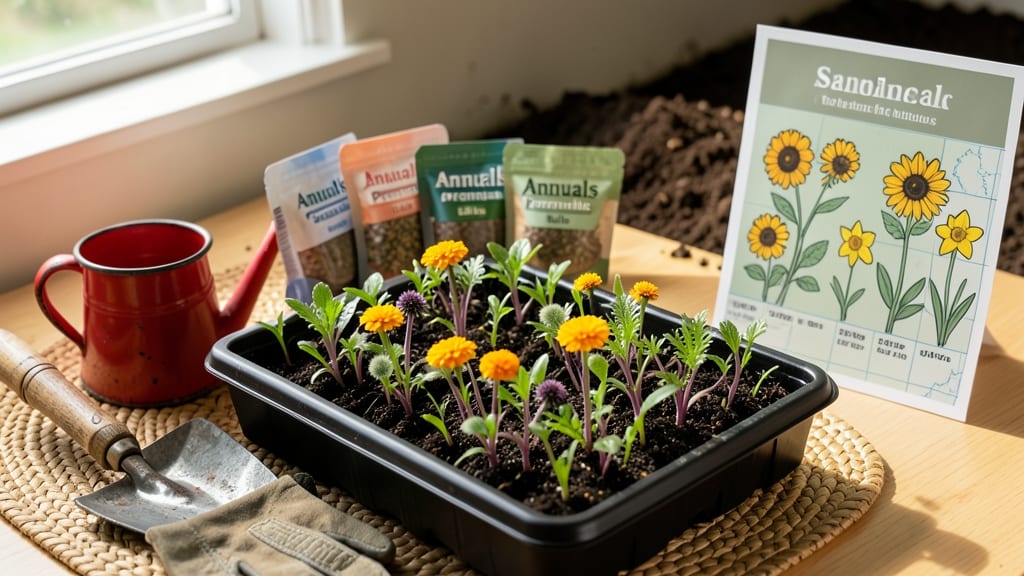
Tennessee’s 3 microclimates & their ideal flower seed planting months
Tennessee’s geography creates three distinct gardening zones, each with its own last frost dates and ideal planting windows. Whether you’re in the Appalachian Mountains, the Cumberland Plateau, or the Mississippi Delta region, timing matters.
Plant too early, and frost will kill tender seedlings; too late, and your flowers may struggle in extreme heat. Let’s break down the best months for each zone.
For East Tennessee (USDA Zones 6a-6b), including Knoxville and Chattanooga, the last frost typically occurs around April 15-30.
This means you can start planting cool-season flowers like pansies and snapdragons as early as March 1, while warm-season favorites like zinnias and marigolds should wait until May 1 after soil warms to 60°F.
The Middle Tennessee Valley (Zones 7a-7b), covering Nashville and Murfreesboro, enjoys slightly earlier springs. Last frosts usually arrive by April 1-15, giving gardeners a 2-week head start on East Tennessee. Start annual flower seeds indoors in February for early blooms, then transplant outdoors by April 15.
West Tennessee (Zones 7b-8a), including Memphis and Jackson, has the longest growing season with last frosts around March 15-30. This allows for earlier spring plantings (as early as February 15 for cold-hardy flowers) and extended fall planting until October 15. Humidity here demands well-draining soil and disease-resistant varieties like black-eyed Susans.
For fall planting, aim to sow seeds 8-10 weeks before your first frost. In East Tennessee, this means August 15-September 15, while West Tennessee gardeners can push it to October 15. Choose cool-season annuals like cosmos and sweet alyssum, which thrive in mild autumn temperatures.
Pro tip: Use soil thermometers to confirm readiness. Seeds need soil temps of at least 60°F for warm-season flowers and 50°F for cool-season varieties. In cooler zones, wait until nighttime temps stay above 50°F consistently.
Native Tennessee flowers like coneflowers and bee balm are excellent choices—they’re adapted to local conditions and require less fuss. For container gardens, opt for compact varieties like dwarf zinnias or wave petunias, which bloom prolifically in small spaces.
Remember: Succession planting every 2-3 weeks ensures continuous blooms. For example, sow a batch of marigolds in April, another in May, and a final one in June for summer-long color. This works especially well in West Tennessee’s longer growing season.
🌱 Always check your local Cooperative Extension Service for hyper-local advice—frost dates can shift yearly due to climate patterns. With these zone-specific guidelines, your Tennessee flower garden will burst with color from spring to frost.
How to extend your flower season: cold frames, row covers & succession planting
Tennessee’s short growing season can feel like a race against time, but with the right techniques, you can push your flower blooms from spring to fall.
I’ve tested cold frames, row covers, and succession planting—here’s what works best for my zinnias, marigolds, and cosmos in Nashville’s Zone 7a climate.
Cold frames are my secret weapon for early spring starts. By planting pansies or snapdragons in late February under a clear plastic dome, I’ve seen seedlings emerge 3 weeks earlier than outdoor plantings. The key? Ventilate daily once temps hit 50°F (10°C) to prevent overheating.
Row covers (floating fabric tunnels) let me extend the season both ways—protecting late bloomers like sunflowers into October. A lightweight agricultural fabric (like Reemay) blocks frost while allowing sunlight and water. Just remove it during hot afternoons to avoid heat stress.