
Plants
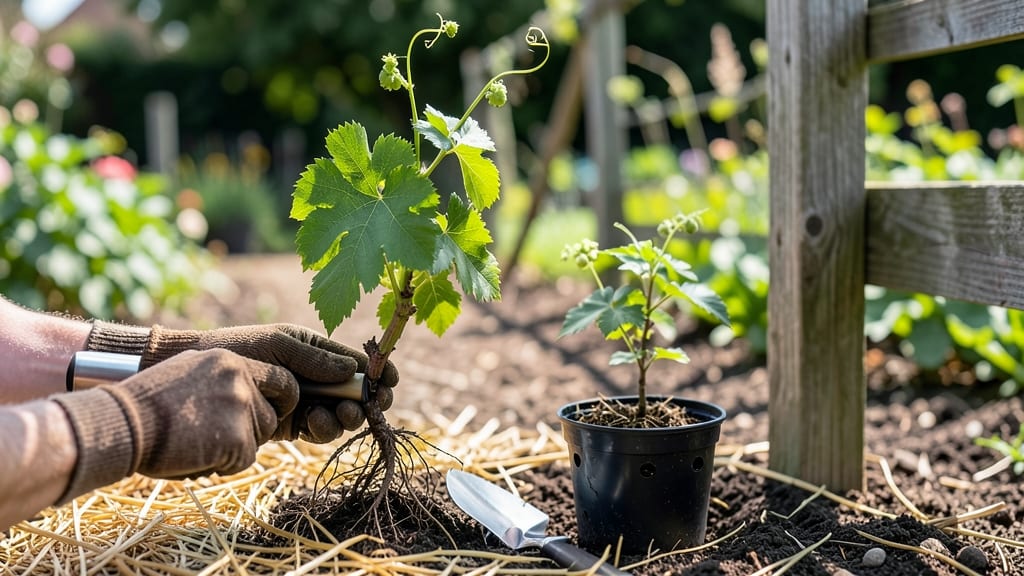
Optimal Georgia planting windows by soil temperature and frost risk
Georgia’s USDA Zones 7b-8a offer a perfect climate for muscadine grapes, but timing is everything. Plant too early, and frost will damage tender roots; too late, and your vines won’t establish before summer heat. The ideal window aligns with soil temperatures and frost-free dates, which vary by region.
Most Georgia gardeners plant bare-root vines in late winter to early spring (February–March), when soil warms to 55–65°F. This gives roots 6–8 weeks to establish before summer’s peak heat. Fall planting (September–October) is also viable but riskier due to hurricane season and unpredictable frosts.
Use this comparison table to pinpoint your local planting window based on Georgia’s microclimates—whether you’re in the Coastal Plain, Piedmont, or Mountains. Adjust for urban heat islands (cities like Atlanta) or rural frost pockets.
Check your local frost-free date using the National Weather Service or Almanac’s Frost Calculator. In Zone 8a (Coastal Plain), you can plant as early as February 15 if soil is workable. In Zone 7b (Piedmont), wait until March 1 to avoid 28°F frosts that can kill young roots.
For container-grown vines, extend your window by 2–3 weeks. Potted vines warm up faster, so plant them when soil hits 55°F—even if ground temps lag. Just ensure pots have drainage holes to prevent root rot in Georgia’s clay-heavy soils.
Pro tip: Test soil temperature with a soil thermometer (bury it 4 inches deep). If it’s below 55°F, delay planting. Muscadines hate cold feet, and stunted roots mean smaller yields next season. 🌱
If you’re in Atlanta’s urban heat island, soil may warm 1–2 weeks earlier than rural areas. Monitor microclimates—a south-facing slope can add 5–10°F to soil temps, while a low-lying area may stay cooler. Adjust your planting date accordingly.
Once planted, mulch heavily with straw or wood chips to lock in heat. This keeps roots 5–10°F warmer than ambient soil, giving your vines a head start in Georgia’s humid summers. Just avoid piling mulch against the trunk to prevent rot. ✂️
Remember: Bare-root vines need immediate watering after planting to settle soil. Use 1–2 gallons per vine to eliminate air pockets. For potted vines, water thoroughly before transplanting to reduce transplant shock. 💧
Optimal Georgia planting windows by soil temperature and frost risk
Georgia’s USDA Zones 7b-8a offer two prime windows for planting muscadine grape vines: late winter and early fall. The ideal soil temperature for planting is between 55–65°F, which typically aligns with February–March in most regions.
This ensures roots establish before Georgia’s last frost date, usually around mid-March.
For Piedmont Georgia, where frosts linger slightly longer, aim for late March planting. In Coastal Plain areas, like Savannah or Brunswick, you can plant as early as February—just ensure the ground isn’t waterlogged.
Always check your local frost-free date using the National Weather Service or Almanac for precision.
Spring planting gives vines a head start in Georgia’s warm climate, but fall planting (late September–October) can also work if you choose disease-resistant varieties like ‘Scuppernong’ or ‘Carlos’.
Fall-planted vines benefit from cooler temps, which reduce stress and pest pressure. However, they’ll need mulch and winter protection to survive Georgia’s occasional light frosts.
Pro tip: Use a soil thermometer to confirm temps before planting. If your soil is below 55°F, wait 1–2 weeks. Bare-root vines planted in spring establish faster, while potted vines in fall adapt better to transplant shock.
Always amend soil with compost or aged manure to improve drainage—muscadines hate soggy roots.
For container growing in Georgia, plant in large pots (15+ gallons) with drainage holes and use a well-draining potting mix. Move containers to a protected spot if frost is forecasted. Container vines may need more frequent watering but offer flexibility for urban gardeners.
Timing is everything! Plant too early, and frost will kill tender roots. Plant too late, and vines won’t establish before summer heat. Aim for that 55–65°F sweet spot, and your muscadines will reward you with juicy, disease-resistant fruit for years to come. 🍇