
Plants
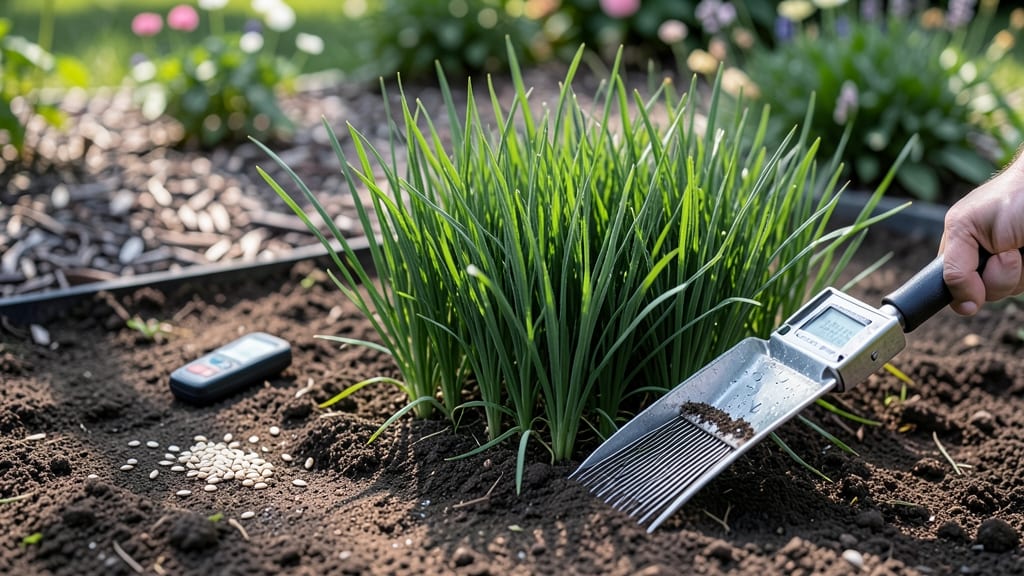
Planting grassseed at the wrong time in East Tennessee can mean wasted money, poor germination, and a weak lawn—so timing is everything. With USDA zones 6a-7a and unpredictable frost dates, knowing when to plant grassseed is the key to a lush, healthy lawn.
Whether you're tackling a new yard or overseeding an existing one, the right window makes all the difference.
Most gardeners in East Tennessee focus on two ideal windows: early spring and early fall. The March-April window lets you take advantage of warming soil and consistent rainfall, while September-October offers cooler temperatures and fewer weeds.
But frost dates can shift things—especially in higher elevations—so understanding your local microclimate is crucial.
Soil temperature plays a bigger role than most realize. Grassseed thrives when soil is between 50-65°F, which typically aligns with those spring and fall windows. Planting too early or too late can leave your seed vulnerable to heat stress or frost damage, leading to patchy results.
Let’s break down exactly when to plant for your specific East Tennessee zone.
Ready to get started? I’ll walk you through the best planting months, soil prep tips, and how to adjust for your local frost-free timeline. Skip the guesswork and learn the most efficient way to establish a thick, resilient lawn that stands up to East Tennessee’s climate.
Best planting windows for East TN grassseed based on soil temperature
East Tennessee’s USDA zones 6a-7a create unique challenges for grassseed germination. The key to success lies in soil temperature—not air temperature—because seeds need warmth to sprout.
For cool-season grasses (like tall fescue and Kentucky bluegrass), aim for 50-65°F soil temps, while warm-season grasses (like Bermuda) thrive at 65-75°F. Here’s how to time it perfectly for your region.
Most East Tennessee gardeners plant in early spring (March-April) or early fall (September-October). Spring planting aligns with rising soil temps, while fall planting avoids summer heat stress.
However, soil temperature varies by elevation: higher areas (like the Smokies) may need to wait 1-2 weeks longer than valleys (like Knoxville). Always check with a soil thermometer before planting.
Cool-season grasses dominate East TN lawns because they handle our cool winters and hot summers better than warm-season types. These grasses germinate fastest when soil hits 50°F, which typically occurs by mid-March in valleys and late March in mountains.
Warm-season grasses, though drought-tolerant, struggle in East TN’s humid summers, so they’re less common unless you’re in a southern exposure with full sun.
Avoid planting when soil temps exceed 75°F—this causes seeds to dry out before sprouting. In East TN, this usually means skipping May-July for cool-season grasses. For warm-season types, plant no later than early June to give roots time to establish before fall’s first frost.
Timing is everything, and missing these windows can lead to poor germination rates and weedy competition.
🌱 East TN Grassseed Planting Guide by Soil Temp & Season
| Grass Type | Ideal Soil Temp | Best Planting Months | East TN Notes |
|---|---|---|---|
| Cool-Season (Tall Fescue, Bluegrass) | 50-65°F | March-April, Sept-Oct | Dominates East TN lawns; handles frost better. |
| Warm-Season (Bermuda, Zoysia) | 65-75°F | Late May-June | Rare in East TN; needs full sun and drought tolerance. |
| Ryegrass (Temporary Cover) | 40-60°F | Oct-Nov, Feb | Fast-growing; great for erosion control or winter color. |
💡 Pro Tip: Use a soil thermometer to confirm temps before planting—don’t guess!
If you’re planting in spring, aim for March 15-April 15 in most of East TN. This window ensures soil is warm enough for germination but avoids the late-spring heat that can dry out seeds.
For fall planting, focus on September 1-October 15—this gives seeds time to establish roots before winter dormancy. Late fall plantings (after October 15) risk frost damage before roots take hold.
Microclimates play a huge role in East TN. Valleys like Knoxville can plant 2 weeks earlier than mountain areas like Gatlinburg, where frost lingers longer. Check your local USDA Plant Hardiness Zone map and adjust planting dates accordingly.
For example, Zone 6a areas (higher elevations) should wait until late March for spring planting, while Zone 7a (lower elevations) can start in mid-March.
One common mistake is planting too early in spring when soil is still cold or too late in fall when frost is imminent. Both scenarios lead to poor germination and weed competition.
To avoid this, use a soil thermometer (available at garden centers for ~$10) and wait until the top 2-3 inches of soil reach your grass type’s ideal temperature. Patience here pays off with a thicker, healthier lawn.
For cool-season grasses, which make up 90% of East TN lawns, the fall window is often better than spring. Fall soil stays warm longer, and cooler air temps reduce water evaporation, keeping seeds moist.
If you plant in September, you’ll see germination in 2-3 weeks and a full lawn by
East Tennessee frost-free timeline: when to avoid planting grassseed
Understanding East Tennessee's frost-free timeline is crucial for avoiding planting grassseed during high-risk periods. The last spring frost typically occurs between April 15 and May 1, while the first fall frost arrives around October 15 to November 1.
Planting too early in spring risks frost damage, while late fall planting may not establish roots before winter dormancy.
For cool-season grasses like tall fescue and Kentucky bluegrass, the ideal window is 4-6 weeks before the first frost—meaning early September in East TN. Warm-season grasses like Bermuda should be planted after the last frost, ideally by late May to establish before summer heat.
Here’s how to use frost dates to your advantage: Plant in early spring (March-April) when soil warms to 50-65°F, or in early fall (September-October) for a second chance. Avoid planting after May 15 or before October 15 unless you’re using shade-tolerant varieties.
Pro tip: Use a soil thermometer to confirm temps—50-65°F is the sweet spot for germination. In USDA Zone 6a-7a, this usually aligns with mid-March to early April for spring planting and early September for fall.
If you plant outside these windows, you risk poor germination, weed competition, or fungal diseases from inconsistent moisture. For example, seeding in June means battling summer heat, while November planting may not establish before winter.
For extra protection, choose drought-tolerant varieties like tall fescue if planting near the frost cutoff. Mulch with straw to retain moisture and regulate soil temperature—critical in East TN’s clay-heavy soils that dry out quickly.