
Plants
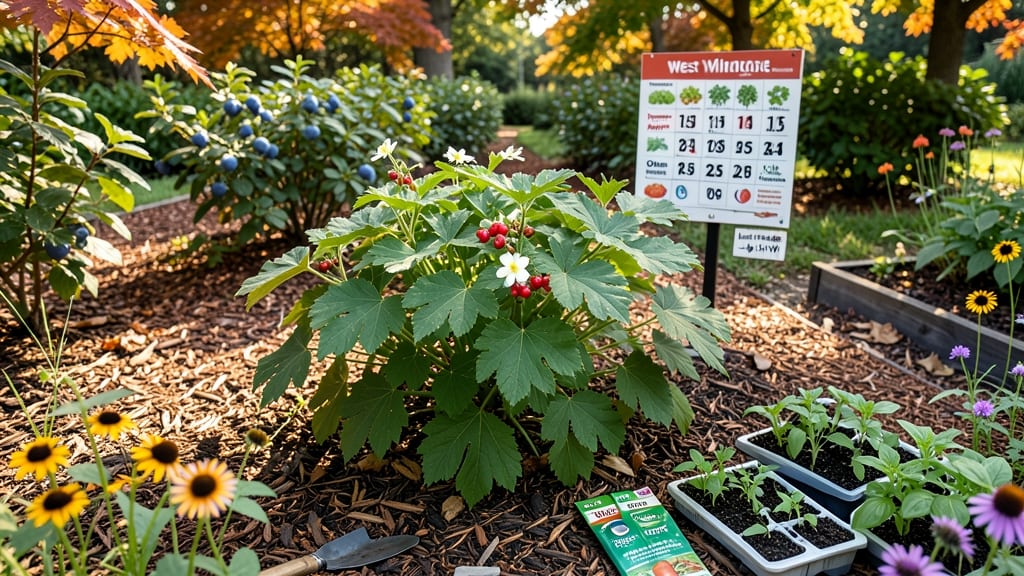
WV planting deadlines by hardiness Zone (5-8): exact dates for frost-sensitive crops
West Virginia spans USDA Hardiness Zones 5b through 7a, meaning frost dates vary dramatically between the mountains of the eastern panhandle and the river valleys of the central and southern regions.
In Zone 5b (e.g., Pocahontas County), the average last frost date lands around May 10–20, while Zone 7a (e.g., Charleston) sees its last frost by April 1–10. These differences can shift your planting windows by 4–6 weeks, so knowing your exact zone is critical.
For frost-sensitive crops like tomatoes, peppers, and cucumbers, timing is everything. Planting too early risks frost damage, while waiting too long shortens your harvest window.
The WV Extension Service recommends waiting until after the last frost for warm-season crops, but with row covers or cold frames, you can push those dates earlier by 2–3 weeks in most zones.
Here’s a zone-by-zone breakdown of critical planting deadlines for your frost-sensitive favorites, including spring and fall planting windows for maximum yields:
| Zone | Last Frost (Avg.) | First Frost (Avg.) | Warm-Season Plants (After Last Frost) | Fall Planting Window (Before First Frost) |
|---|---|---|---|---|
| 5b (Eastern Panhandle) | May 10–20 | October 10–20 | May 21–June 10 | August 1–September 15 |
| 6a (Northern WV) | April 25–May 5 | October 5–15 | May 6–June 1 | August 15–September 30 |
| 6b (Central WV) | April 15–25 | October 10–20 | April 26–May 15 | August 1–October 1 |
| 7a (Southern WV) | April 1–10 | October 15–25 | April 11–May 1 | July 15–September 15 |
🌱 Note: Adjust dates 1–2 weeks earlier for low-lying areas (e.g., river valleys) and 1–2 weeks later for mountainous regions.
For warm-season crops like tomatoes, peppers, and squash, the 30–50-day rule applies: Count backward from your zone’s last frost date to determine when to start seeds indoors.
For example, in Zone 6b, start tomato seeds indoors by March 15 to transplant after the last frost (April 26). In Zone 7a, you can direct-sow seeds as early as April 11 if using row covers.
Fall planting is equally critical for cool-season crops like kale, spinach, and broccoli. In Zone 5b, aim to plant by August 1 to harvest before the first frost (October 10–20).
In Zone 7a, you can extend your window until September 15, thanks to later frost dates. Use black plastic mulch to warm soil and row covers to protect young plants from unexpected early frosts.
Pro tip: Check the WV State Climatologist’s frost maps or use a local weather station (like those at WVU Extension offices) for real-time updates. A 5-day forecast of 32°F or below means it’s time to cover tender plants or harvest before damage occurs.
In my Zone 6b garden, I’ve learned that late-May frosts can still sneak in, so I always keep frost cloth on hand for tomato and pepper seedlings.
Don’t forget about succession planting! For crops like bush beans, lettuce, and radishes, you can make 2–3 plantings every 2 weeks after your last frost date to ensure a continuous harvest. This works especially well in Zone 7a, where the growing season stretches longer.
In cooler zones (5b–6a), focus on fast-maturing varieties like ’Early Girl’ tomatoes or ’Cherry Belle’ radishes to maximize your yield.
🌿 Key Takeaway: Your planting deadline isn’t just about the calendar—it’s about microclimates, soil warmth, and unpredictable weather. Use these zone guidelines as a starting point, then adjust based on your specific location and garden conditions. Happy planting!
Best cold-hardy vegetables to plant early in WV (before last frost)
If you’re eager to start your WV garden but worried about late frosts, don’t fret—many cold-hardy vegetables thrive when planted weeks before your last frost date. These resilient crops can handle chilly soil and even light frosts, giving you an early harvest edge.
Think leafy greens, root vegetables, and cool-season brassicas that love WV’s spring temperatures.
For best results, aim to plant these frost-tolerant crops 4-6 weeks before your average last frost date (typically mid-April in most of WV). Soil temperatures below 40°F can slow germination, so wait until the ground warms slightly—usually by early March in Zone 7a and late March in Zone 5b.
Use row covers or cold frames to push your planting window even earlier if needed.
For direct-sow vs. transplant decisions, most root vegetables (carrots, beets, radishes) prefer being planted directly into the garden to avoid root damage. Meanwhile, leafy greens (spinach, lettuce) and brassicas (kale, cabbage) can be started indoors 4-6 weeks before transplanting outdoors.
Always harden off seedlings for 7-10 days before moving them to the garden to prevent shock.
Pro tip: Use mulch (straw or leaves) to retain soil moisture and protect seedlings from temperature swings. If a late frost threatens, cover young plants with frost cloth or even old blankets. With these cold-hardy crops, you’ll have fresh harvests ready long before your tomatoes and peppers