
Plants
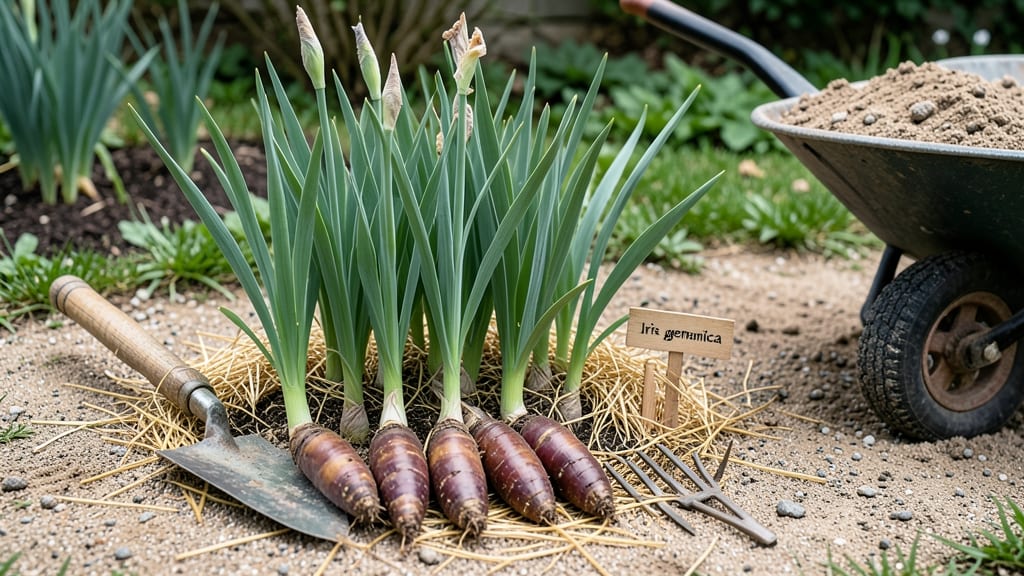
Best planting months for iris bulbs in Washington’s climate zones
Washington’s diverse climate—from the mild coastal regions of the Puget Sound to the colder inland valleys—means iris bulbs need precise timing to thrive.
Unlike many bulbs, iris rhizomes (their bulb-like underground stems) prefer to be planted when the soil is cool but not frozen, giving them time to establish roots before winter.
In Washington, this typically means late summer to early fall, but your exact window depends on your USDA hardiness zone.
For most of Washington, August through early October is ideal. This aligns with when soil temperatures drop below 70°F (21°C), signaling the iris to start rooting. In Zone 6b (eastern WA, like Spokane), aim for mid-August to early September—planting later risks frost damage before roots take hold.
Meanwhile, Zone 8-9a (western WA, like Seattle or Vancouver) can extend planting until mid-October, thanks to milder winters.
Here’s the key: iris rhizomes rot in soggy soil, so avoid planting when Washington’s autumn rains are at their peak. Instead, time it so roots have 6-8 weeks to grow before winter dormancy.
For example, if your first frost is November 15, plant by late September to ensure roots are established.
Washington’s microclimates add another layer. Coastal areas like Olympia or Bellingham stay wetter longer, so plant earlier (July-August) to avoid winter waterlogging. Inland zones like Yakima or Wenatchee, with drier soils, can wait until September without risking rot.
Pro tip: Check your local frost dates—the Washington State University Extension provides zone-specific guides. For instance, Zone 7b (like Pullman) has a first frost around October 15, so plant by early September.
| Washington Region | USDA Zone | Best Planting Window | Soil Temp Goal | Why It Matters |
|---|---|---|---|---|
| Puget Sound (Seattle, Bellingham) | Zone 8-9a | Mid-August to mid-October | 60-70°F (15-21°C) | Milder winters allow later planting; avoid heavy rains. |
| Eastern WA (Spokane, Wenatchee) | Zone 6b-7a | Late July to early September | 55-65°F (13-18°C) | Colder soils need earlier planting to prevent frost damage. |
| Coastal (Olympia, Forks) | Zone 7b-8b | July to early September | 58-68°F (14-20°C) | High humidity; plant early to avoid fungal risks. |
If you’re in a warmer microclimate (e.g., Walla Walla or Yakima Valley), you might even squeeze in a second planting in early spring (March-April) for late-season blooms. However, spring-planted iris may not flower until the second year, so fall planting is still best for immediate color.
One more critical factor: soil drainage. Washington’s clay-heavy soils (common in eastern WA) can suffocate iris rhizomes. Amend your soil with sand or grit to ensure water drains within 24 hours. In wet coastal areas, consider raised beds to prevent rot.
Finally, pay attention to the moon phases if you’re a traditionalist—planting during a waning moon (when the moon is shrinking) is said to encourage root growth. While not scientifically proven, many Washington gardeners swear by it for stronger bulb establishment.
With the right timing, your iris will reward you with bold blooms by October, adding a splash of color to Washington’s autumn gardens. Just remember: cool soil, not frozen—that’s the golden rule for iris success here.
How to adjust planting time for early vs. late bloomers
Washington’s variable climate lets you control iris bloom timing—plant in late summer for fall blooms or early spring for summer flowers. The key is understanding your iris variety: bearded irises typically bloom in late spring, while siberian irises shine in early fall.
Adjusting planting time by just a few weeks can shift blooms by months, giving you year-round color.
For fall blooms, plant rhizomes in August—this gives them time to establish roots before winter. In Zone 7 (like Yakima), aim for late August to early September to avoid early frosts.
In Zone 8 (Seattle area), you can extend planting to mid-October without risk. The goal? Let the bulbs root deeply before dormancy sets in.
Want earlier spring blooms? Plant in late spring (May) instead of fall. This tricks the rhizomes into thinking winter’s already passed, forcing faster growth. However, Washington’s cool, wet springs can delay blooming if planted too late—stick to May’s first half for best results.
This method works best for bearded irises, which are more forgiving of timing shifts.
Washington’s rainy seasons complicate timing. Too much moisture after planting can cause rot, while drought stresses new roots. In Puget Sound, where rain lingers into fall, plant earlier (July-August) to avoid soggy soil. In Eastern WA, where summers are drier, you can wait until September without worry.
Early Bloomers (Spring)
- Planting Time: Late May
- Bloom Window: June-July
- Best Varieties: Bearded irises
- Washington Note: Risk of spring rains delaying growth
Late Bloomers (Fall)
- Planting Time: August-September
- Bloom Window: September-October
- Best Varieties: Siberian irises
- Washington Note: Ideal for Puget Sound’s cooler falls
Don’t overlook microclimates—a south-facing slope in Spokane can add 2-3 weeks of growing time compared to a north-facing yard in Bellingham. Use this to your advantage: plant late bloomers on sunny slopes for extended fall color.
In shaded areas, opt for early spring planting to ensure blooms before summer shade sets in.
Test your timing with a small batch of rhizomes first. Label them by planting date and track bloom times—this helps you fine-tune future plantings. With Washington’s unpredictable weather, flexibility is key.
Aim for 60-70 days of root establishment before winter, and your irises will reward you with bold, reliable blooms every season.