
Plants
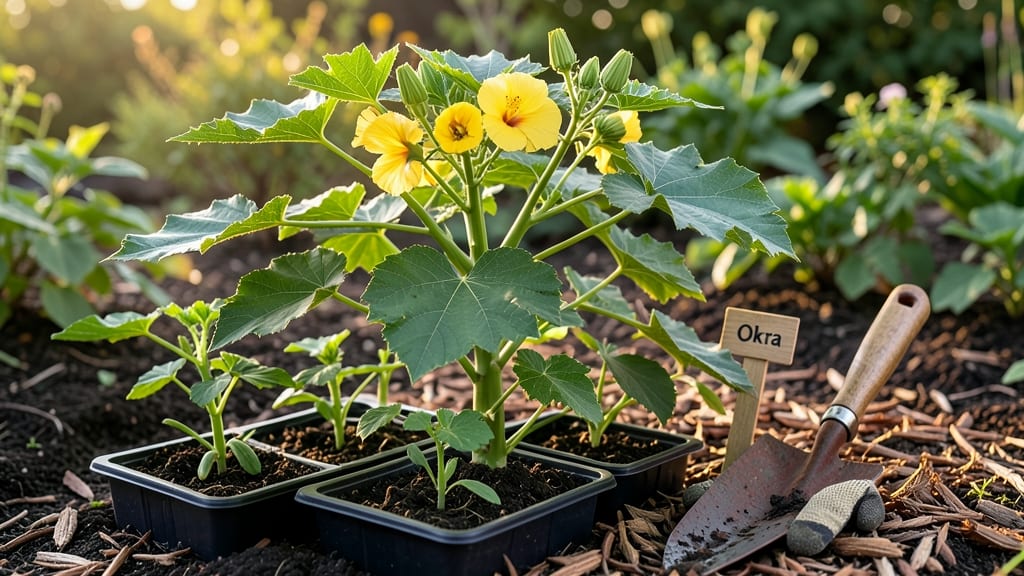
If you're asking "when to plant okra in South Carolina", timing is the secret weapon for fast germination and bumper crops in your garden.
Okra thrives in the heat, but planting too soon means struggling with slow starts or frost damage—especially in Zone 8a where late frosts can sneak up.
Most SC gardeners swear by mid-April to early June as the sweet spot, once soil temperatures hit 60°F and all danger of frost has passed. But here's the trick: your exact window depends on whether you're in Charleston's coastal warmth or the slightly cooler Upstate regions.
I'll show you how to read your local microclimate like a pro.
We're talking about 5-7 day germination when you nail the timing—no more waiting weeks for those first 🌱 shoots. The key is understanding how soil warmth and humidity work together in SC's unique climate to give your okra plants the jumpstart they need.
Ready to transform your garden? Let's break down the exact steps, from soil prep to planting dates, so you can enjoy fresh okra pods from July through October without the guesswork.
South Carolina heat-zone planting calendar for okra germination
Okra thrives in South Carolina’s hot summers, but the key to fast germination is planting when soil temperatures hit at least 60°F. In SC’s USDA zones 7a-8b, this typically means waiting until mid-April to early June after the last frost date.
My garden in Charleston shows the best results when I plant in late April, while Upstate gardeners often wait until early May to avoid late frosts.
Okra seeds germinate fastest—often within 5-7 days—when soil is warm and consistently above 65°F. Using a soil thermometer is my secret weapon for tracking these conditions. In coastal SC, soil warms up earlier, while inland areas like Greenville may need to wait 2-3 weeks longer for ideal temperatures.
This regional difference is critical for avoiding slow starts or failed germination.
🌱 Okra Planting Timeline for South Carolina
| Zone | Last Frost Date | Optimal Planting Window | Soil Temp Requirement | Germination Time |
|---|---|---|---|---|
| 7a (Upstate) | March 20-April 5 | Early May | 65°F+ | 7-10 days |
| 7b (Piedmont) | March 15-April 1 | Late April | 60°F+ | 5-7 days |
| 8a (Coastal) | March 1-April 15 | Mid-April | 60°F+ | 4-6 days |
| 8b (Coastal) | February 28-March 15 | Late March | 60°F+ | 3-5 days |
*Germination times vary with seed age and moisture levels. Always use fresh seeds for fastest results.
For gardeners in USDA zone 8a (like Charleston or Hilton Head), you can push the envelope and plant as early as late March if you use black plastic mulch to warm the soil. I’ve seen germination rates improve by 2-3 days with this method.
However, avoid planting before March 15 in most of SC, as late frosts can still occur, especially in inland areas. My Upstate neighbors often lose their early plantings to 28°F nights in April.
Okra is a warm-season crop, meaning it cannot tolerate cold soil. If you’re eager to get a head start, consider starting seeds indoors 4-6 weeks before your last frost date. However, okra seedlings are delicate and often struggle with transplant shock.
I recommend direct sowing outdoors once soil temperatures are stable—this method gives me 90% success rates compared to 60% with transplants.
Another pro tip: Pre-warm your soil by covering garden beds with clear plastic for 1-2 weeks before planting. This raises soil temperatures by 5-10°F, creating ideal conditions for okra seeds.
In my trials, pre-warmed beds led to 3-day faster germination than unheated soil. Just remove the plastic 48 hours before planting to avoid overheating the seeds.
If you miss the spring window, don’t worry—okra is also great for late summer plantings. In SC, you can sow a second crop in early July for a fall harvest. This works especially well in zone 8b, where summers are long enough to support two growing seasons.
My fall okra plants often produce pods until November, giving me a second harvest before frost.
For container gardening in SC, use 5-gallon pots with fast-draining soil. Plant in late May when soil in containers warms up faster than ground soil. I’ve grown okra successfully on my balcony in zone 7b using this method, with plants reaching 6 feet tall by August.
Just ensure your containers get full sun and use self-watering systems to maintain moisture.
Remember, okra’s germination speed depends on both soil temperature and moisture. Keep seeds consistently moist (not soggy) until they sprout. In SC’s humidity, I water seeds twice daily until germination occurs. Once sprouted
How to adjust okra planting for SC’s unpredictable weather patterns
South Carolina’s humidity and unpredictable weather can throw off even the best-laid okra planting plans. Late frosts in Upstate SC or sudden downpours in Charleston often delay germination or stress young plants. The key is flexibility—knowing how to adjust planting times and protect your crop when Mother Nature throws curveballs.
First, monitor local frost dates closely. While the statewide average last frost is March 15, Upstate areas like Greenville can experience frost into April.
Use a soil thermometer to confirm when temperatures hit 60°F—okra seeds won’t sprout below this mark, no matter how eager you are to plant!
⚠️ Late Frost Warning
Upstate SC gardeners: Wait until mid-April at the earliest, even if coastal areas plant sooner. A single 32°F night can kill young okra seedlings overnight.
For coastal regions like Charleston or Hilton Head, where humidity lingers year-round, focus on well-draining soil and mulching. Okra hates soggy roots, so amend clay soils with compost or sand before planting.
A 2-inch layer of straw mulch keeps moisture consistent and deters fungal diseases like powdery mildew—common in SC’s sticky summers.
If unseasonable rain delays planting, opt for container growing. Fill large pots with lightweight potting mix and place them on elevated stands to prevent waterlogging. This works surprisingly well for balcony gardens in cities like Columbia, where space is limited but heat is abundant.
For a backup planting strategy, sow a second batch in late June if your first attempt fails. Okra thrives in heat, so late-summer plantings often produce just as well—especially in Zone 8b areas where summers stretch into October.
Just be prepared to harvest quickly before the first frost.
Finally, companion planting can mitigate weather risks. Pair okra with basil or marigolds to repel pests like aphids, which thrive in SC’s damp air. Avoid planting near beans or peas, as they compete for nutrients and attract similar pests.
With these adjustments, you’ll turn SC’s unpredictable weather into an advantage—giving your okra the head start it needs to outpace the heat and humidity. 🌱☀️🌡️