
Plants
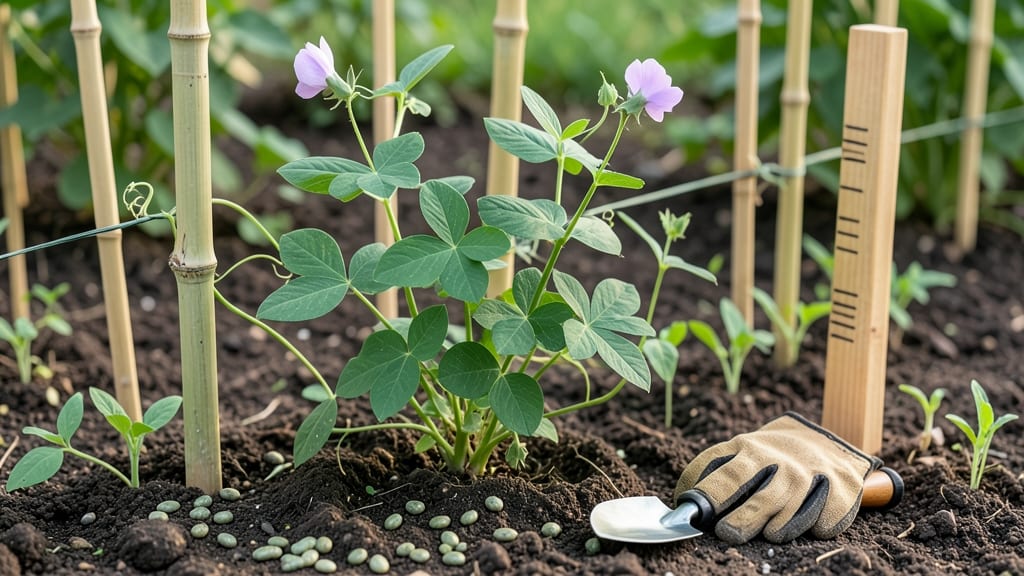
Best planting dates for peas in Arkansas by region
Arkansas spans USDA Hardiness Zones 7a-8b, creating distinct planting windows for peas across its three main regions. North Arkansas (Zones 7a-7b) has the latest frost dates, while South Arkansas (Zone 8b) enjoys a longer growing season.
Timing your peas correctly ensures sweet, productive harvests before summer heat sets in.
Peas thrive in cool temperatures (50-70°F) and avoid summer heat above 80°F. In Arkansas, this means planting in early spring (February-March) for a spring harvest or late summer/fall (September-October) for an autumn harvest. Let’s break down the best times by region to maximize your yield.
🌱 Visual Guide: Planting Windows by Region
For North Arkansas gardeners, aim to plant peas 4-6 weeks before your last frost date (typically by March 15).
If you’re in Central Arkansas, you can start as early as February 1 for a jumpstart on the season. South Arkansas offers the earliest planting window, with some gardeners even sowing in late January under protective covers.
Fall planting is also viable in Arkansas, especially in Zone 8b areas. Sow seeds 8-10 weeks before your first frost (usually by September 15 in North Arkansas and August 15 in South Arkansas). This ensures peas mature before temperatures drop below 40°F, which can damage plants.
Pro tip: Check your local Arkansas Cooperative Extension Service frost dates for your specific county. Microclimates—like valleys or urban heat islands—can shift planting windows by 1-2 weeks. For example, Little Rock’s urban areas often warm up faster than rural zones, allowing for slightly later spring plantings.
If you’re unsure about your exact last frost date, use row covers or cold frames to extend your season. These tools can protect young pea plants from light frosts (28-32°F), giving you a 2-3 week head start in early spring or a later fall harvest. Just
For succession planting, sow new pea seeds every 2 weeks in spring or every 3 weeks in fall. This staggered approach ensures a continuous supply of fresh peas throughout the season. In Arkansas’s climate, this is especially useful for shelling peas, which have a shorter harvest window than snap peas.
Always choose dwarf or semi-dwarf varieties for Arkansas gardens, as they handle humidity better and require less support. Varieties like ‘Sugar Snap,’ ‘Green Arrow,’ or ‘Oregon Sugar Pod’ thrive in the state’s climate and produce sweet, tender pods even in the heat of late spring.
Finally, monitor your soil temperature with a soil thermometer. Peas germinate best in soil that’s 40-70°F. If your soil is too cold (<32°F), wait until temperatures rise before planting. Warm soil speeds up germination and ensures strong, healthy seedlings ready to face Arkansas’s occasional late spring heat waves.
How to extend pea season in Arkansas: frost protection and succession planting
Arkansas’s unpredictable spring frosts and sweltering summer heat can sabotage pea harvests if you don’t plan ahead. But with the right strategies, you can stretch your pea season from early spring to late fall, ensuring a steady supply of fresh pods.
The key? Frost protection and succession planting—two techniques that turn challenges into opportunities.
Start by planting in stages—sow a fresh batch of peas every 2-3 weeks starting in February and ending in early April. This ensures a continuous harvest before summer heat sets in.
For a fall harvest, begin sowing in late August to early September, giving peas time to mature before the first frost hits in mid-November.
Here’s how to maximize your pea season with practical, Arkansas-friendly tips:
🌱 Extend Your Pea Season with These Pro Tips
- Use row covers to protect seedlings from late spring frosts (down to 20°F). These lightweight fabrics trap heat while allowing sunlight through.
- Plant near taller crops like corn or sunflowers to create microclimates that delay frost damage in low-lying areas.
- Sow dwarf varieties (like 'Little Marvel') in containers for balcony or patio harvests—ideal if your yard freezes early.
- Succession plant every 2 weeks in spring and fall to overlap harvests and avoid gaps in your supply.
- Mulch heavily with straw to insulate soil and keep roots cool during Arkansas’s hot, humid summers.
Don’t overlook companion planting—pair peas with radishes, carrots, or lettuce to maximize space and deter pests like pea aphids. Radishes, for example, mature quickly and mark the soil for slower-growing peas, while lettuce thrives in the shade peas create.
For fall planting, aim to harvest before temperatures drop below 50°F at night. If frost threatens, harvest pods immediately or use hoop houses (low-cost plastic tunnels) to extend the season by 3-4 weeks. In Arkansas’s Zone 7a-8b, this could mean harvests well into November!
Pro tip: Test soil moisture before planting—Arkansas’s clay-heavy soils can bake dry in summer. Water deeply 1-2 days before sowing to encourage germination. Morning watering is best to prevent fungal diseases like powdery mildew, which thrives in Arkansas’s humidity.
With these strategies, you’ll turn Arkansas’s challenging climate into your pea harvest’s superpower. Soon, you’ll be enjoying fresh pods from spring to fall—no grocery store needed! 🌿