
Light Requirements
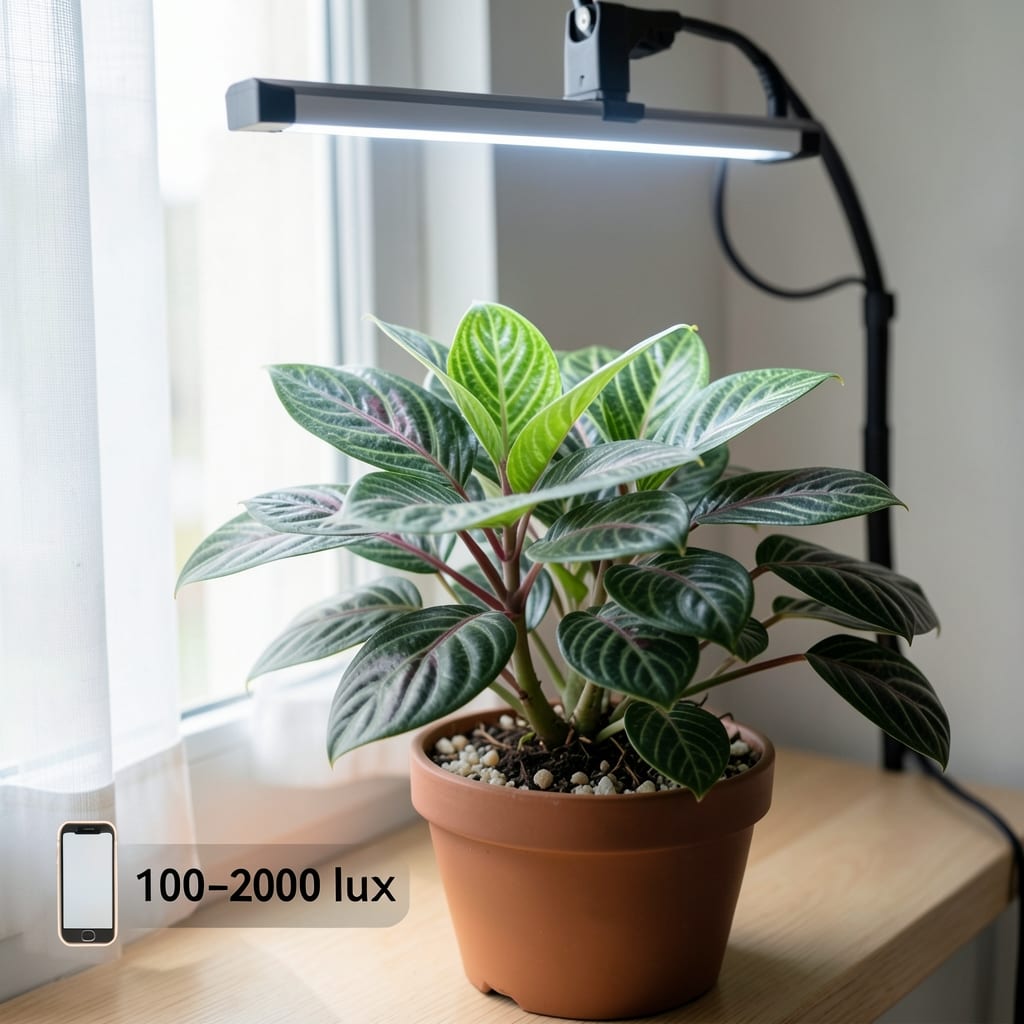
Figuring out how much light for prayer plant success can feel like solving a puzzle—too little, and your leaves droop; too much, and they crisp up like toast. This striking 🌿 prayer plant (Maranta leuconeura) thrives on balance, and getting it right is the secret to those iconic, velvety leaves that fold up like hands in prayer.
Most growers assume bright light means direct sun, but that’s a common mistake. Your prayer plant actually craves bright, indirect light—think of it as a tropical shade dweller. Without the right conditions, even the hardiest varieties can struggle, leaving you wondering why your plant looks more stressed than serene.
In this guide, I’ll break down the exact light hours and spots that keep your prayer plant happy year-round. Whether you’re dealing with a dim corner or a sun-soaked windowsill, you’ll learn how to spot the signs of improper lighting and adjust before it’s too late.
Ready to unlock the vibrant, upright leaves you’ve been dreaming of? Let’s dive into the game-changer for prayer plant care—starting with the light.

Optimal light hours for prayer plant growth: bright indirect sunlight breakdown
The prayer plant (Maranta leuconeura) thrives on 4-6 hours of bright, indirect light daily. This means positioning it where sunlight filters through sheer curtains or bounces off nearby surfaces. Direct sun—especially afternoon rays—can scorch those delicate velvety leaves, while too little light causes leggy growth and faded patterns.
Think of your prayer plant’s ideal spot as a tropical forest understory. In nature, these plants grow beneath taller trees, receiving dappled sunlight. Replicating this indoors means avoiding harsh overhead light while ensuring enough brightness to prevent etiolation (stretched, weak stems).
To measure light exposure, use a simple shadow test: Place your hand near the plant’s spot. If the shadow is crisp and dark, the light is too intense. If it’s faint or nonexistent, the area lacks sufficient brightness. Adjust until you find that sweet spot where shadows are soft but visible.
For morning sun lovers, a brief 1-2 hours of direct light (before 10 AM) can actually benefit your prayer plant. This mimics its natural habitat where early sunlight is gentler. However, after 10 AM, move the plant 5-6 feet away from the window to prevent leaf burn.
If you’re unsure about your home’s light levels, try this DIY light meter trick: Place a white piece of paper near the potential spot. If the paper stays white after a few hours, the light is safe. If it yellows or browns, the area is too harsh for your prayer plant.
Remember, prayer plants are adaptable but not forgiving. If you notice yellowing edges or brown spots, it’s a cry for help—likely from too much direct sun. Conversely, pale leaves and long stems signal a need for brighter conditions. Adjust gradually to avoid shocking the plant.
Pro tip: Rotate your prayer plant quarter-turn weekly to ensure even light exposure. This prevents one side from leaning toward the light source, keeping those prayer-like leaves symmetrical and vibrant.
Now that you’ve mastered the light hours, let’s tackle the next challenge: finding the perfect indoor spot that balances brightness and comfort for your tropical friend.
Best indoor spots for prayer plant light needs (with common mistakes to avoid)
Finding the perfect spot for your prayer plant isn’t just about light—it’s about creating a microclimate that mimics its tropical home. The best indoor locations balance brightness, humidity, and temperature stability. Start with these top 5 spots, ranked by effectiveness for your prayer plant’s needs.
An east-facing window is my #1 recommendation. Morning sun is gentle and provides 4-5 hours of indirect light before the sun intensifies. Place your prayer plant 2-3 feet away to diffuse the light further. This setup prevents leaf scorch while keeping the foliage vibrant. If your east window gets direct sun after 10 AM, add a sheer curtain to filter the rays.
For homes with limited east-facing windows, a north-facing spot is the next best option. North light is consistently indirect and lacks the harsh angles of south or west windows. Position your plant within 3 feet of the window to ensure enough brightness. Just watch for overcast days—if the light feels too dim, supplement with a 10W LED grow bulb for 4-6 hours daily.
Placing your prayer plant in a south or west-facing window is a recipe for disaster. These spots deliver intense afternoon sun, which causes brown leaf tips and crispy edges within days. Even with curtains, the heat buildup can stress the plant.
Another pitfall? Drapery-free windowsills. Without any diffusion, sunlight hits the leaves like a magnifying glass. Always use sheer or linen curtains to scatter the light evenly.
If your home lacks ideal windows, don’t despair—artificial light can save your prayer plant. A 12-inch LED grow light placed 6-12 inches above the plant provides the bright indirect equivalent of a north window. Run it for 10-12 hours daily to replicate natural daylight cycles. For best results, use a light with a cool white (5000K-6500K) spectrum to mimic natural sunlight.
For low-light lovers, a bathroom with a skylight or kitchen counter near a door can work—if the light is bright enough. Test the spot by placing a white card there for 24 hours. If it stays white, the light is safe. If it yellows, your prayer plant will struggle, and you’ll need to supplement with a grow light or relocate.
Pro tip: Avoid placing your prayer plant near HVAC vents, drafty doorways, or direct sunlight from skylights. These create temperature fluctuations that mimic seasonal changes too quickly, causing stress. Instead, choose a spot with stable 65-80°F temperatures and moderate humidity (aim for 50% or higher). A pebble tray with water beneath the pot can help boost humidity without overwatering.
Now that you’ve mastered the ideal spots, let’s tackle the next challenge: adjusting care as the seasons change to keep your prayer plant thriving year-round.