
Trees
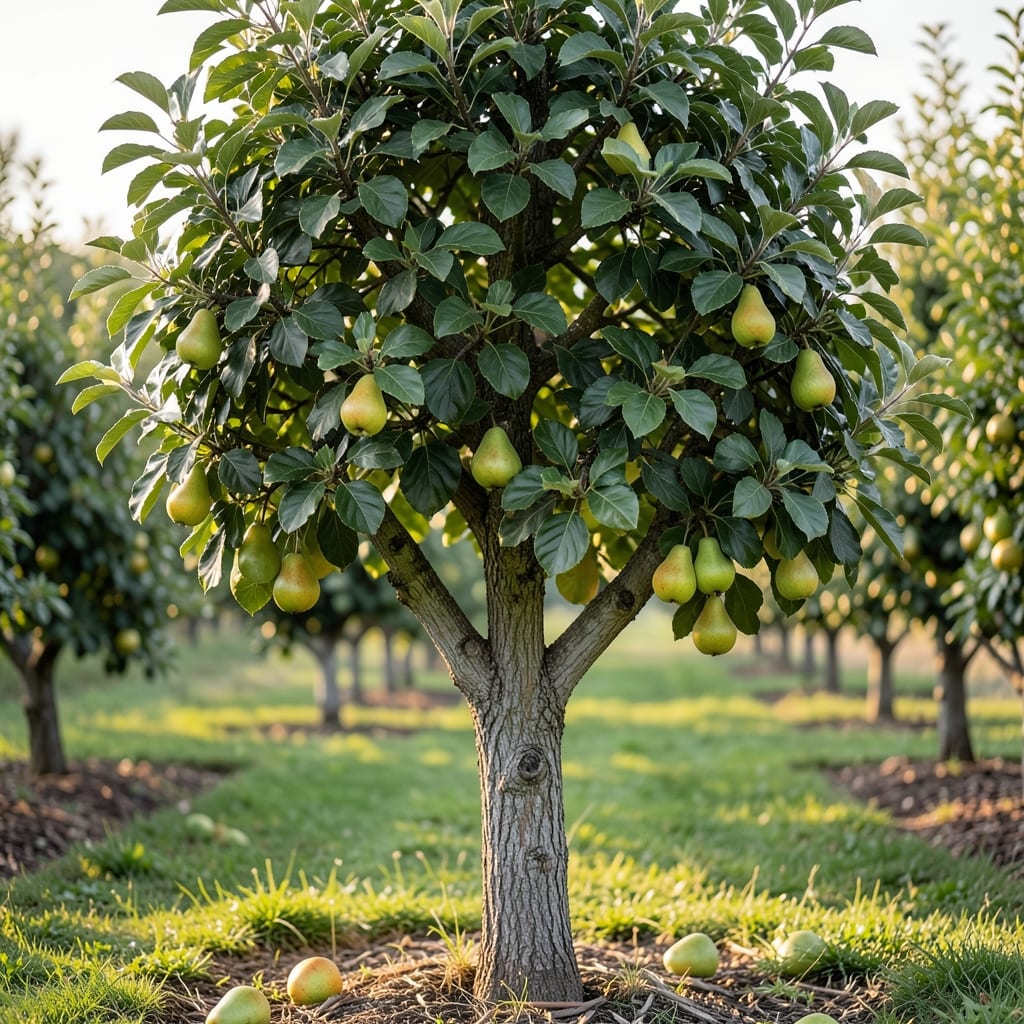
Pear tree height variations: from dwarf to standard to giant sizes
Pear trees come in a stunning range of heights, from dwarf varieties that fit in containers to giant orchard trees towering over 50 feet. The size of your pear tree depends on two key factors: the rootstock used and the scion variety grafted onto it. Rootstock determines the tree’s overall growth habit, while the scion influences fruit quality and tree shape.
For example, a dwarf pear tree grafted onto Quince C rootstock might reach just 8-12 feet, while the same scion on seedling rootstock could grow to 20-30 feet. Understanding these categories helps you choose the perfect pear tree for your space and goals.
Here’s how pear tree heights break down by category, including their growth rates, spacing needs, and ideal environments—so you can pick the best fit for your garden.
The rootstock is the foundation of your pear tree’s height. For instance, Quince A produces dwarf trees ideal for containers or small patios, while seedling rootstock creates full-sized trees perfect for orchards. If you’re limited on space, semi-dwarf varieties strike a balance—growing 12–18 feet but still producing abundant fruit.
Another critical factor is growth rate. Dwarf trees grow 1–2 feet per year, while standard varieties can shoot up 3–5 feet annually. This means a 10-year-old standard pear tree could easily reach 30 feet, while a dwarf tree of the same age might only be 10–12 feet tall. Plan accordingly if you’re dreaming of a quick harvest!
For small gardens or urban yards, dwarf and semi-dwarf pear trees are game-changers. They require less pruning, fit into tight spaces, and still yield high-quality fruit. Just ensure they get full sun (6+ hours daily) and well-draining soil to thrive. In contrast, standard and giant trees need ample space, regular pruning, and professional care to manage their size.
If you’re unsure which rootstock to choose, consider your long-term goals. Want a low-maintenance tree for your balcony? Go dwarf. Craving a classic orchard experience? Opt for standard or giant. The right choice ensures your pear tree grows happily—and healthily—for decades.
Now that you know the height ranges, let’s explore specific pear varieties ranked by size and growth habits in the next section. You’ll discover which cultivars are perfect for your space—whether it’s a tiny terrace or a sprawling backyard.
Best pear tree varieties ranked by height and growth habits
Not all pear trees grow the same—some stay compact enough for balcony containers, while others reach orchard-giant proportions. The variety you choose directly impacts your tree’s mature height, fruit production, and maintenance needs. Below, I’ve ranked the top pear cultivars by size, including their ideal garden spaces and growth characteristics to help you pick the perfect fit.
For small-space gardeners, dwarf varieties like 'Hooded Delicious' (8–10 ft) or 'Seckel' (10–12 ft) are ideal—they thrive in containers or tight yards while delivering sweet, flavorful pears. Meanwhile, standard varieties like 'Bartlett' (25–35 ft) or 'Anjou' (30–40 ft) dominate large backyards and orchards, offering high yields but requiring regular pruning.
Let’s dive into the top 5 pear varieties by height category, including their cold hardiness, fruit flavor, and care requirements. Whether you’re growing in a container on a patio or planting a full-sized orchard tree, there’s a pear perfect for your space.
'Seckel' (Semi-Dwarf, 10–12 ft) is a crowd-pleaser for small gardens. It’s disease-resistant, produces sweet, juicy pears early in the season, and thrives on Quince A rootstock. Pair it with a pollination partner like 'Moonglow' for guaranteed fruit set. For urban balconies, this variety fits in large pots (15+ gallons) with regular pruning.
'Bartlett' (Standard, 25–35 ft) is the classic orchard pear, beloved for its buttery texture and versatile uses (fresh eating, canning, baking). It grows 3–5 feet per year and needs 20+ feet of space to avoid shading nearby plants. If you love abundant harvests, this variety delivers—but be ready for regular pruning to manage its size.
If you’re after a low-maintenance giant, 'Anjou' (Standard, 30–40 ft) is a hardy choice. Its thick skin resists pests, and it stores well for months after harvest. However, its slow growth rate (2–3 ft/year) means it takes 10+ years to reach maturity. For cold climates (USDA Zone 4), this variety excels where others fail.
For container gardening, 'Hooded Delicious' (Dwarf, 8–10 ft) is a top performer. Grafted onto Quince C rootstock, it stays compact and bushy, making it perfect for patios or small yards. Its red-blushed pears ripen in late summer and are