
How To
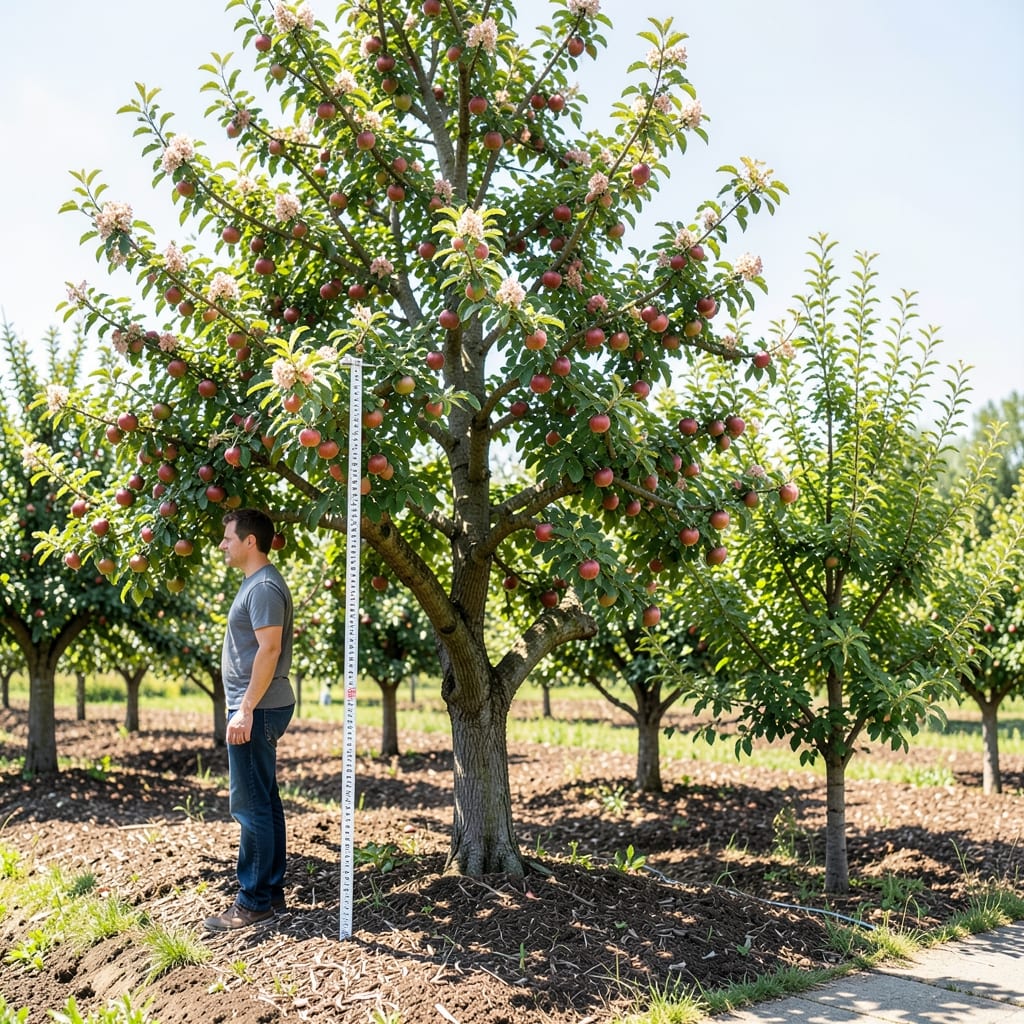
If you’ve ever wondered just how tall an apple tree 🍎 can grow, the answer might surprise you—some varieties stay small enough for a patio, while others stretch toward the sky like a backyard skyscraper. The height of your apple tree isn’t just about space; it’s about choosing the right variety, understanding rootstock, and planning for long-term care.
For home gardeners with limited space, dwarf apple trees (as short as 6–8 feet) are a game-changer, producing fruit just a few years after planting. But if you’re dreaming of a classic orchard experience, standard varieties can reach 20–30 feet or more, requiring careful pruning and spacing to keep them manageable.
In this guide, I’ll break down the height ranges of apple trees—from compact dwarfs to towering giants—and share expert tips on pruning, spacing, and selecting the perfect variety for your garden. Whether you’re working with a tiny balcony or a sprawling backyard, you’ll learn how to control growth and maximize your harvest.
The key to success? Knowing your options early. Let’s dive into the world of apple tree heights and find the perfect fit for your space and goals.


Apple tree height variations: dwarf to standard to giant sizes explained
The height of an apple tree 🍎 can vary dramatically depending on its rootstock and variety. Understanding these differences is key to selecting the right tree for your space. Dwarf varieties stay compact, ideal for small gardens or containers, while standard and giant trees dominate larger landscapes. Let’s explore the four main height categories and what they mean for your garden.
First, dwarf apple trees are the smallest option, typically reaching 6–12 feet at maturity. These trees are grafted onto dwarfing rootstock like M.9 or B.9, which restrict their growth. They’re perfect for urban gardens, patios, or even large containers. The trade-off? They may produce slightly smaller yields compared to larger trees, but their convenience makes up for it.
Semi-dwarf apple trees strike a balance, growing 12–18 feet tall. Grafted onto rootstock like M.7 or MM.106, these trees offer a compromise between size and productivity. They’re versatile for medium-sized yards and often produce more fruit than dwarfs while remaining manageable with pruning. Popular varieties like Gala and Fuji thrive in this category.
Next, standard apple trees are the classic orchard choice, reaching 20–30 feet or taller. These trees are grafted onto seedling rootstock or vigorous varieties like MM.111. They require more space and regular pruning but reward gardeners with larger yields and iconic apple tree aesthetics. Varieties like Granny Smith and Northern Spy fall into this category.
Finally, giant apple trees can exceed 40 feet in ideal conditions, though these are rare in home gardens. They’re typically found in commercial orchards or as heritage varieties. Their massive size makes them impractical for most backyards, but they’re fascinating for those with ample space and a long-term vision.
Here’s a quick reference to help you visualize the differences:
| Type | Rootstock | Mature Height | Yield | Best For |
|---|---|---|---|---|
| Dwarf | M.9, B.9 | 6–12 ft | Moderate | Small gardens, containers |
| Semi-Dwarf | M.7, MM.106 | 12–18 ft | High | Medium yards, urban spaces |
| Standard | MM.111, Seedling | 20–30 ft | Very High | Large backyards, orchards |
| Giant | Heritage/Seedling | 40+ ft | Very High | Commercial orchards |
The rootstock you choose directly impacts your tree’s height and vigor. For example, M.9 rootstock produces dwarf trees that bear fruit in just 2–3 years, while MM.111 rootstock creates standard trees with slower but more robust growth. Always check the rootstock when purchasing, as it’s the foundation of your tree’s future size.
Another critical factor is pruning. Even standard trees can be kept smaller with regular pruning, while dwarf trees benefit from minimal pruning to maintain their compact shape. I’ll cover pruning techniques in detail later, but for now, know that pruning is your tool to shape growth and maximize fruit production.
Choosing the right height also depends on your garden layout. Dwarf trees work beautifully in raised beds, while standard trees need at least 20 feet of space between them to avoid shading and competition. If you’re short on space, consider espalier training, which flattens trees against walls or fences, reducing their footprint by up to 70%.
Lastly, don’t overlook pollination needs. Most apple trees require cross-pollination from another variety. If you’re planting a dwarf tree, ensure a compatible pollinator is within 50 feet for successful fruit set. For example, Honeycrisp and Fuji pollinate each other, making them a great pair for small gardens.
Now that you understand the height variations, the next step is selecting the perfect variety for your space. Whether you’re dreaming of a patio-sized tree or a backyard giant, the right choice will set you up for years of delicious harvests.
Best apple tree varieties by height: small spaces vs. large gardens
Choosing the right apple tree variety isn’t just about flavor—it’s about matching your space and goals. Whether you’re working with a tiny balcony or a sprawling backyard, the perfect variety can make all the difference. Let’s explore top-performing apple trees organized by height, so you can pick the one that fits your garden like a glove.
For small spaces, dwarf varieties are your best bet. These trees stay under 8 feet tall and thrive in containers or raised beds. Varieties like 'Columnar' apples grow in narrow, upright forms, perfect for tight spaces. Another standout is 'Patio', a semi-dwarf that tops out around 10 feet but produces heavy yields. Both are ideal for urban gardeners or those with limited room.
If you have a medium-sized yard, semi-dwarf varieties offer the best of both worlds. Trees like 'Liberty' and 'Gala' grow 12–18 feet tall but remain manageable with pruning. They’re disease-resistant, low-maintenance, and produce sweet, reliable fruit. These varieties are also great for pollinating each other, so planting two different types ensures a bountiful harvest.
| Variety | Height | Rootstock | Best For | Pollination Partner |
|---|---|---|---|---|
| Columnar | 6–8 ft | M.9 | Containers, balconies | Fuji, Honeycrisp |
| Patio | 8–10 ft | B.9 | Small gardens | Gala, Liberty |
| Liberty | 12–16 ft | M.7 | Medium yards | Gala, Fuji |
| Granny Smith | 20–25 ft | MM.111 | Large backyards | Golden Delicious |
| Northern Spy | 30–40 ft | Seedling | Orchards | McIntosh |
For those with large gardens, standard varieties like 'Granny Smith' and 'Fuji' shine. These trees grow 20–30 feet tall and produce abundant fruit, but they need space to thrive. If you’re aiming for a classic orchard feel, these varieties deliver both beauty and bounty. Just be prepared for regular pruning to keep them in check and ensure proper airflow to prevent disease.
If you’re dreaming of a backyard giant, heritage varieties like 'Northern Spy' or 'Winesap' can reach 40 feet or more. These trees are stunning but require ample space, deep soil, and a long-term commitment. They’re best suited for rural properties or commercial orchards where their full potential can be realized.
When selecting a variety, also consider climate and disease resistance. For example, 'Liberty' apples are highly resistant to apple scab and fire blight, making them a low-maintenance choice for many regions. Meanwhile, 'Honeycrisp' thrives in cooler climates and produces sweet, crisp fruit but may need a pollinator nearby. Always check your USDA hardiness zone to ensure the variety will flourish in your area.
Finally, think about fruit maturity. Some varieties, like 'Gala', produce fruit in as little as 3–4 years, while others, like 'Northern Spy', take 7–10 years to bear fruit. If you’re eager for a quick harvest, prioritize dwarf or semi-dwarf varieties with early maturity.