
How To
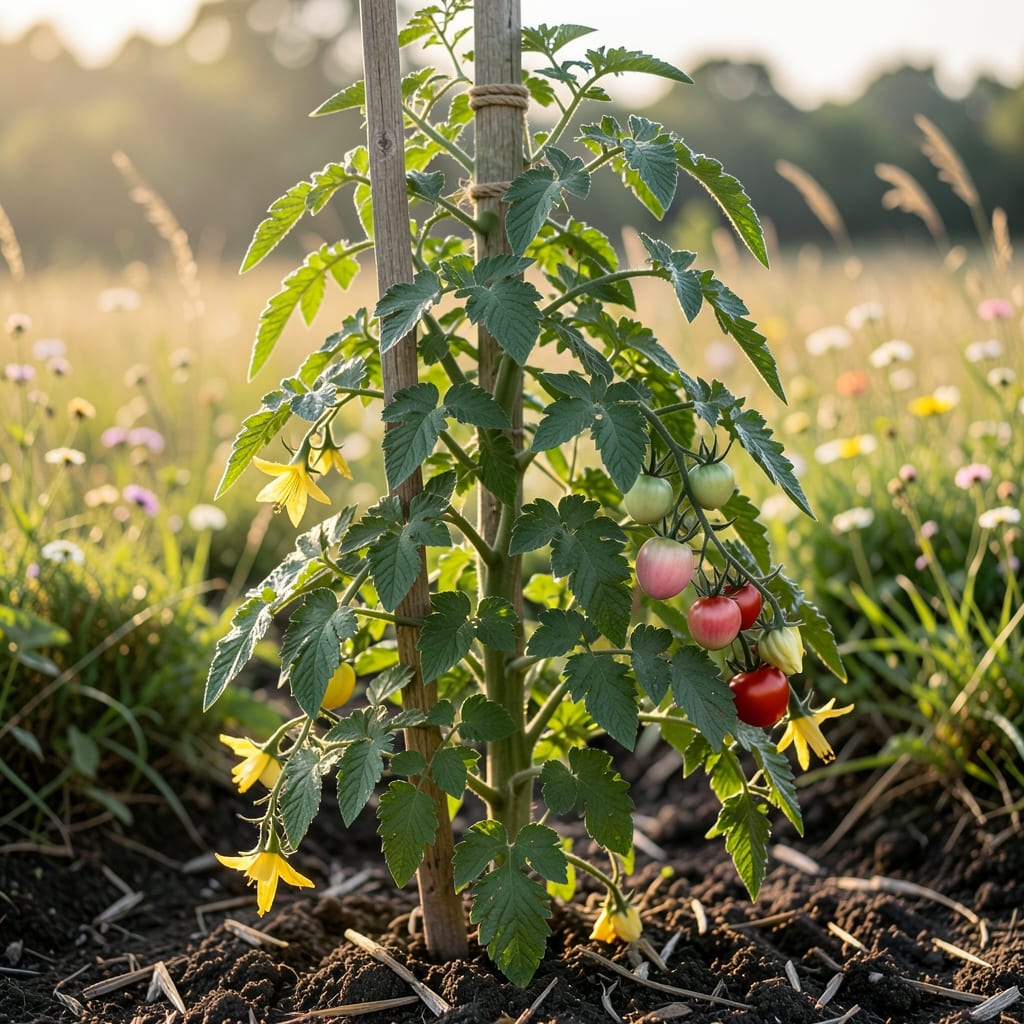
If you’ve ever watched a 🍅 tomato vine grow tall like a jungle vine, you’ve seen firsthand why indeterminate tomatoes are the heavyweights of the garden. These aren’t your average compact plants—they can climb 10 feet or more with the right support, turning your backyard into a vertical salad bar.
But here’s the catch: without proper care, that sky-high potential becomes a tangled mess of unruly branches and missed harvests. The secret to harnessing their growth lies in understanding how tall they can go—and how to guide them upward without breaking the stems. Whether you’re a first-time gardener or a seasoned grower, mastering these vining giants starts with the right techniques.
In this guide, I’ll break down the exact height limits of indeterminate tomatoes, the factors that push them toward record-breaking growth, and the step-by-step trellis training methods that keep them productive. No more guessing—just proven strategies to turn your garden into a high-yielding tomato tower.
Ready to grow tomatoes that reach for the clouds? Let’s dive into the science, tools, and tricks that make it happen—without the chaos.


Indeterminate tomato growth limits: how tall they Really Can Climb
Indeterminate tomatoes are the vertical superstars of the garden, capable of reaching heights that will make your neighborhood fence look like a toddler’s block tower. While most varieties top out between 6 and 12 feet, exceptional conditions—like perfect sunlight, rich soil, and expert care—can push them toward 18 feet or more. That’s taller than a standard basketball hoop! The key lies in their genetic growth habit: these plants never stop climbing unless frost or disease halts them.
Think of indeterminate tomatoes as natural sky-scrapers. Their vines grow continuously from the top, producing new leaves, flowers, and fruit clusters along the way. This means a single plant can keep producing tomatoes all season long—if you give it the right support. Without proper trellising or pruning, however, those towering vines can become unruly, leading to broken stems, disease, and lost harvests. The secret to harnessing their full potential? Understanding their growth limits and environmental needs.
Here’s the truth: uncontrolled indeterminate tomatoes can grow wildly out of shape, sprawling across the ground or tangling in nearby plants. But with the right support structures and pruning techniques, you can guide their growth upward, maximizing both yield and garden space. The difference between a 6-foot vine and a 12-foot monster often comes down to sunlight exposure, soil fertility, and how aggressively you prune suckers (those unwanted side shoots).
| Variety | Height Range | Growth Habit | Best For |
|---|---|---|---|
| Cherry Tomatoes (e.g., 'Sweet 100') | 6–12 ft | Fast-growing, prolific | Containers, trellises, high yields |
| Beefsteak (e.g., 'Brandywine') | 8–15 ft | Slow but sturdy | Heavy fruit, vertical support |
| Heirloom (e.g., 'Black Krim') | 10–18 ft | Unpredictable, vigorous | Experienced gardeners, large spaces |
| Dwarf Indeterminate (e.g., 'Tiny Tim') | 3–5 ft | Compact, manageable | Small gardens, containers |
🌱 Note: Heights vary by climate, care, and variety.
Your climate zone plays a massive role in how tall indeterminate tomatoes grow. In warm, sunny regions like Southern California or Florida, these vines can reach their full 18-foot potential with ease. But in cooler zones (like USDA Zone 5 or 6), frost often cuts growth short before they reach their maximum height. Even in ideal climates, however, pruning and support are non-negotiable—without them, those towering vines can snap under the weight of hundreds of tomatoes.
Sunlight is another game-changer. Indeterminate tomatoes thrive with 8+ hours of direct sun daily. In shadier spots, their growth slows, and vines may become weak and leggy, struggling to support their own weight. If your garden lacks full sun, consider reflective surfaces (like white walls or mulch) to bounce extra light onto your plants. Even a 5-foot difference in sunlight can mean the difference between a 6-foot vine and a 12-foot powerhouse.
Soil fertility also determines how high your tomatoes will climb. Nitrogen-rich soil fuels rapid vine growth, but too much can lead to leafy monsters with few fruits. The sweet spot? A balanced fertilizer (5-10-10 NPK) applied every 4–6 weeks during the growing season. Pair this with organic matter like compost or aged manure to ensure roots stay strong enough to support vertical growth. Without proper nutrition, your tomatoes might hit a growth ceiling at just 4–5 feet, no matter how much they want to climb.
Pruning is where most gardeners trip up. Over-pruning can stunt growth, while under-pruning leads to tangled, disease-prone vines. The goal is to remove suckers (side shoots) while preserving the plant’s structure. Aim to keep your main stem no thicker than a pencil—any wider, and it risks snapping. For heirloom varieties like 'Black Krim', this means aggressive pruning to redirect energy into fewer, larger fruits. For cherry tomatoes, you can be slightly more lenient, allowing more side growth for higher yields.
Finally, don’t underestimate the power of wind and weather. Strong winds can break unsecured vines, while heavy rains can weaken stems by over-saturating the soil. In exposed areas, use sturdy trellises or cages and consider windbreaks to protect your towering gi
Trellis training secrets: step-by-step guide to controlling towering tomato vines
Now that you know how tall indeterminate tomatoes can grow, the real magic happens when you harness that vertical potential with the right trellis training. Without proper support, even the most vigorous vines become tangled, disease-ridden messes. The good news? With the right techniques, you can guide those 10+ foot monsters into productive, space-saving powerhouses. I’ve tested everything from bamboo stakes to floppy-top systems, and these are the methods that actually work.
Start with the foundation: your trellis or cage. For cherry tomatoes, a 5-foot tall cage works wonders, while heirloom varieties need 8+ foot stakes or A-frame trellises. The material matters too—bamboo or metal stakes handle wind better than wood, and plastic cages are lightweight but may bend under heavy fruit loads. Pro tip: Bury stakes 18 inches deep for stability, or use T-posts with zip ties for adjustable height as the plant grows.
Here’s my step-by-step trellis training guide to keep your tomatoes climbing (not sprawling):
- 🌱 Week 1: Install supports before planting. Use 4–6 stakes per plant spaced evenly around the base for heirlooms, or a single central stake for smaller varieties.
- 🪴 Week 3: Tie the main stem to the trellis with soft plant ties (never wire—it cuts stems). Aim for 12–18 inches between ties as the plant grows.
- ✂️ Week 5: Prune suckers (side shoots) aggressively. Remove any growth below the first flower cluster to redirect energy upward.
- 💧 Week 7+: Weave vines through trellis horizontally to encourage lateral growth. This spreads the plant’s weight and improves airflow.
- ☀️ Ongoing: Adjust ties every 2–3 weeks as the stem thickens. Never let the vine rub against the trellis—this causes abrasions and disease.
💡 Pro Tip: For heavy varieties like 'Brandywine', add a second trellis mid-season to support the weight.
The floppy-top method is my favorite for cherry tomatoes—it mimics natural vine growth by letting the plant sprawl slightly at the top while keeping the rest vertical. Simply weave the top 2–3 feet of the vine loosely over a horizontal bar or wire. This creates a natural canopy that ripens fruit faster while keeping the main stem supported. For determinate tomatoes (which stop growing), a simple cage works fine, but indeterminates need active guidance.
Airflow is your secret weapon against disease. Crowded vines trap moisture, leading to blight and rot. Always prune to leave 6–12 inches between branches, and avoid over-fertilizing with nitrogen—it promotes leafy growth over fruit. If your tomatoes start looking too leafy, switch to a potassium-rich fertilizer (like 5-10-10) to encourage flowering. And here’s a hard truth: over-pruning stunts growth. Never remove more than 1/3 of the plant’s foliage at once.
Finally, don’t forget to harvest regularly. Ripe tomatoes weigh down vines faster than you think—pick them every 2–3 days to prevent breakage. If you’re growing in containers, choose self-watering pots and reduce fertilizer by half to avoid root burn. With these techniques, your indeterminate tomatoes won’t just reach the sky—they’ll feed you all season long.