
How To
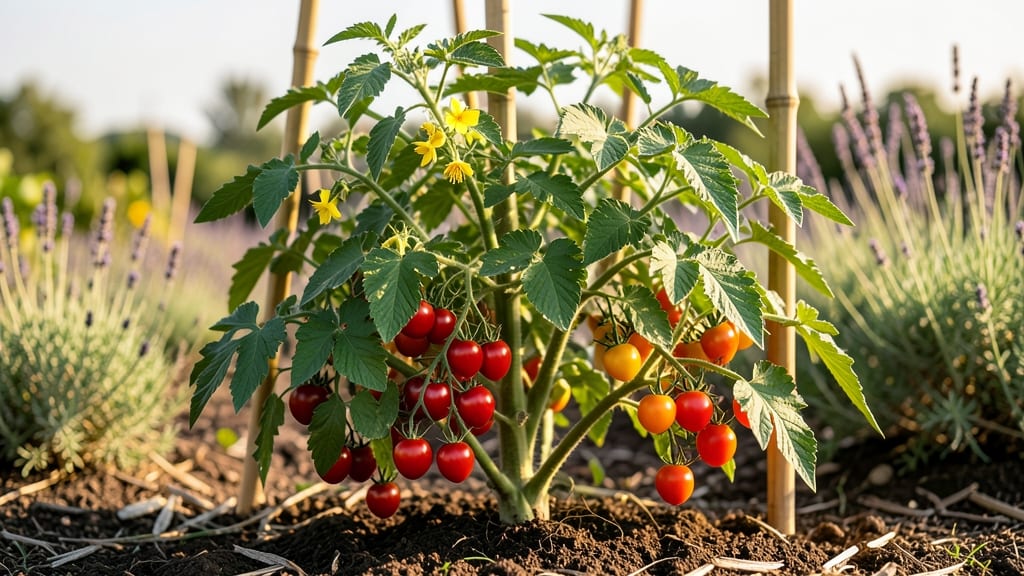
If you’re wondering how tall do red cherry tomatoes grow, you’re not alone—this is the first question I ask before planning my garden layout.
These sweet, bite-sized 🍅 varieties come in two distinct forms: compact dwarf types that stay under 3 feet and sprawling vining plants that can reach 6 feet or more, completely transforming your harvest potential.
The height difference isn’t just about space—it directly impacts how you’ll care for your plants. Dwarf varieties like 'Tiny Tim' thrive in small pots or tight garden beds, while vining types need sturdy trellises to support their weight and keep fruit off the ground.
Knowing which type you’re growing helps you plan for sunlight exposure, pruning needs, and even disease prevention.
For beginners, this distinction is the key to avoiding common mistakes like overcrowding or under-supporting your plants. Whether you’re working with limited balcony space or a sprawling backyard, understanding these growth habits will help you maximize your yield without sacrificing plant health.
Let’s break down the differences between dwarf and vining red cherry tomatoes, plus space-saving tips to make the most of your growing area—no matter which variety you choose.


Red cherry tomato height comparison: dwarf vs. vining varieties explained
When planning your red cherry tomato garden, one of the first questions I ask is: how tall will these plants grow? The answer depends entirely on whether you're growing dwarf varieties or vining types.
These two growth habits couldn't be more different—and understanding them will help you choose the perfect variety for your space and care style.
Dwarf red cherry tomatoes stay compact, typically reaching just 12–24 inches tall, making them ideal for containers, small gardens, or urban balconies. On the other hand, vining varieties can stretch 4–6 feet or more, requiring sturdy support and more maintenance.
Your choice here will impact everything from plant spacing to harvesting ease.
🌱 Red Cherry Tomato Height Comparison
| Variety Type | Height Range | Growth Habit | Best For |
|---|---|---|---|
| Dwarf | 12–24 inches | Bushy, compact | Containers, small gardens, balconies |
| Semi-Dwarf | 2–3 feet | Moderate vining | Small spaces with light support |
| Vining (Indeterminate) | 4–6+ feet | Long, sprawling | Large gardens, trellises, cages |
*Popular dwarf varieties: 'Tiny Tim,' 'Micro Tom'; Vining types: 'Sweet Million,' 'Sun Gold'
Let’s take a closer look at why these height differences matter. Dwarf varieties like 'Tiny Tim' produce cherry-sized tomatoes on low-growing plants, perfect for 5-gallon containers or window boxes. They require minimal pruning and staking, making them a beginner-friendly choice.
Meanwhile, vining types like 'Sweet Million' can produce hundreds of tomatoes over a single season—but only if you provide the right support.
One key factor to consider is sun exposure. Taller vining plants may need additional support to ensure all leaves get adequate sunlight, which directly impacts fruit production. In contrast, dwarf varieties benefit from better air circulation around their compact foliage, reducing the risk of fungal diseases like early blight.
Your garden’s layout and your willingness to maintain support structures will play a huge role in your success.
Another critical aspect is plant spacing. Dwarf varieties can often be planted 12–18 inches apart, while vining types need 2–3 feet of space between plants to prevent overcrowding.
Proper spacing ensures each plant gets enough nutrients and water, which is especially important during the peak growing season when tomatoes are rapidly producing fruit.
If you're growing in containers, dwarf varieties are the clear winners. A 5-gallon bucket or hanging basket is often enough to support a dwarf plant, while vining types will quickly outgrow even the largest pots.
For container gardening, I recommend choosing determinate dwarf varieties that produce fruit in clusters near the top of the plant, making harvesting a breeze.
For those with more space, vining red cherry tomatoes offer a higher yield and a longer harvest season. These plants continue to grow and produce fruit until frost hits, giving you a steady supply of sweet, juicy tomatoes.
However, they do require more maintenance, including regular pruning, trellising, and staking to keep them off the ground and encourage upward growth.
One of my favorite vining varieties is 'Sweet Million,' which can grow 6–8 feet tall if given the right conditions. This variety produces an abundance of golden-red cherry tomatoes that are perfect for snacking or salads.
To manage its height, I use a tall tomato cage or a strong trellis to support the vines and keep the fruit off the ground, reducing the risk of rot or pests.
No matter which type you choose, understanding their height potential will help you plan your garden layout and care routine. Whether you're working with a small balcony or a large backyard, selecting the right variety—and providing the right support—will ensure a healthy, productive tomato plant all season long. 🌱
How height affects yield, disease risk, and harvesting in red cherry tomatoes
Understanding how red cherry tomato height impacts your garden isn’t just about aesthetics—it directly affects your harvest size, disease resistance, and even how often you’ll need to prune.
Taller vining varieties like 'Sweet Million' can reach 4–6 feet, producing more fruit but requiring more maintenance, while dwarf types like 'Tiny Tim' stay compact (1–2 feet) with easier care but lower yields.
Taller plants need sturdy support (trellises or cages) to prevent fruit rot from touching wet soil. Without proper support, heavy vines can break or sprawl, increasing blight risk from poor air circulation. Dwarf varieties, however, thrive in tight spaces with minimal support, making them ideal for containers or small plots.
Height also influences harvest timing and fruit quality. Vining types produce fruit over a longer season but may need pruning to focus energy on fewer, larger clusters.
Dwarf varieties ripen faster (50–60 days) but often yield smaller batches. Both benefit from regular harvesting—removing ripe cherries encourages more production.
Taller cherry tomato plants (4+ feet) are more prone to blight and cracking due to poor air flow and uneven water absorption. Prune aggressively to improve airflow, and water at soil level (not overhead) to prevent fungal spores from splashing onto leaves.
🌱 Pro Tip: Use dwarf varieties in humid climates—their compact size reduces disease pressure naturally.
For container growers, height matters too. Dwarf varieties thrive in 5-gallon pots, while vining types need 10+ gallons to support their roots and vines. Overcrowded roots in small containers can stress plants, leading to stunted growth or blossom-end rot.
Always match pot size to mature height—1 gallon per foot of plant is a safe rule.
Adjust your watering and fertilizing based on height. Taller plants need deep, infrequent watering (every 3–5 days) to reach their roots, while dwarf varieties prefer shallow, frequent watering (every 2–3 days).
Fertilize vining types heavily during fruiting (June–August) but reduce for dwarf varieties after 60 days to avoid excessive leaf growth.
Height even affects pest control. Taller plants attract more aphids and whiteflies due to their height, so inspect vines weekly. Dwarf varieties, being closer to the ground, are easier to monitor but may face slug pressure.
Use row covers for vining types and beer traps for dwarf varieties to keep pests at bay.